
UkraineRussia–Ukraine War
 Ukraine
Ukrainian intelligence: Russia using Rassvet for military communications over Ukraine
According to Kyiv, the Russian satellite network is intended to improve strike drones’ accuracy and resistance to jamming, but currently provides only intermittent connectivity. There is no independent confirmation of its combat use or its effect on drones.

Russia is already using the Rassvet satellite network for military communications over Ukraine, Ukraine’s Ministry of Defence Main Intelligence Directorate (HUR) told Reuters in a report published by Defense News on 6 November 2026. The report was also published by the Bulgarian News Agency (BTA) and the US specialist defence publication Defense News. Both publications draw on the same source. At the time of publication, Flank had found no independent confirmation of the network’s military use.
32 satellites launched, but connectivity remains intermittent
According to HUR, Russia placed a total of 32 Rassvet satellites into orbit in two batches, in March and July 2026. Reuters also cites an October statement by the Russian government reporting more than 30 satellites launched. The figures are consistent, but do not show how many satellites are actually operational.
HUR spokesperson Andriy Yusov said the network does not provide continuous coverage over Ukraine. According to him, connectivity is available only intermittently, when the satellites pass over the relevant areas. Ukrainian intelligence also reports Russian plans for additional launches by the end of 2026 to expand coverage.
HUR says the aim is to improve the accuracy of Russian strike drones and their resistance to jamming. This is a claim about the network’s intended purpose, not a demonstrated combat outcome. Intermittent coverage does not in itself mean that drones can be controlled continuously via a satellite link.
A network of its own rather than reliance on Starlink
Rassvet is presented as a Russian equivalent of Starlink, SpaceX’s satellite network. According to the Reuters report published by Defense News, Starlink has more than 10,000 satellites. The difference in scale is substantial, but satellite numbers alone are not enough to compare coverage and connection quality.
The same report says Russian forces used Starlink terminals acquired through unofficial channels and that SpaceX deactivated them earlier in 2026 at Kyiv’s request.
In Flank’s assessment, Rassvet’s potential significance lies in Russia’s ability to maintain its own military communications link without relying on access to a foreign service. However, the information reported so far does not demonstrate that this dependence has been overcome or that the Russian network can fully replace Starlink.
No independent confirmation of combat effect
An assessment of the network’s actual capabilities is hampered by the lack of independently verifiable information on the number of operational satellites, the duration and geographical extent of connectivity, the terminals used and the unmanned platforms connected to them. It is unclear whether the link is used for control, mission updates or other exchanges. Nor are there measurements confirming the claimed improvement in accuracy and resistance to jamming.
Distinguishing between satellites launched, an operational communications service and a demonstrated combat effect is crucial to assessing Rassvet. This is a developing story and further information may be added.
Sources
2 independent reports
Independent reporting
Bulgarian News Agency (BTA) · bta.bg
Русия използва собствена версия на „Старлинк“ за военни комуникации над Украйна, твърди КиевNews agencyDefense News · defensenews.com
Russia using own version of Starlink for military comms over Ukraine, Kyiv saysVerified media
Linked to this story
 Russia
Related topics
Kamensk-Shakhtinsky, RussiaRussia–Ukraine War
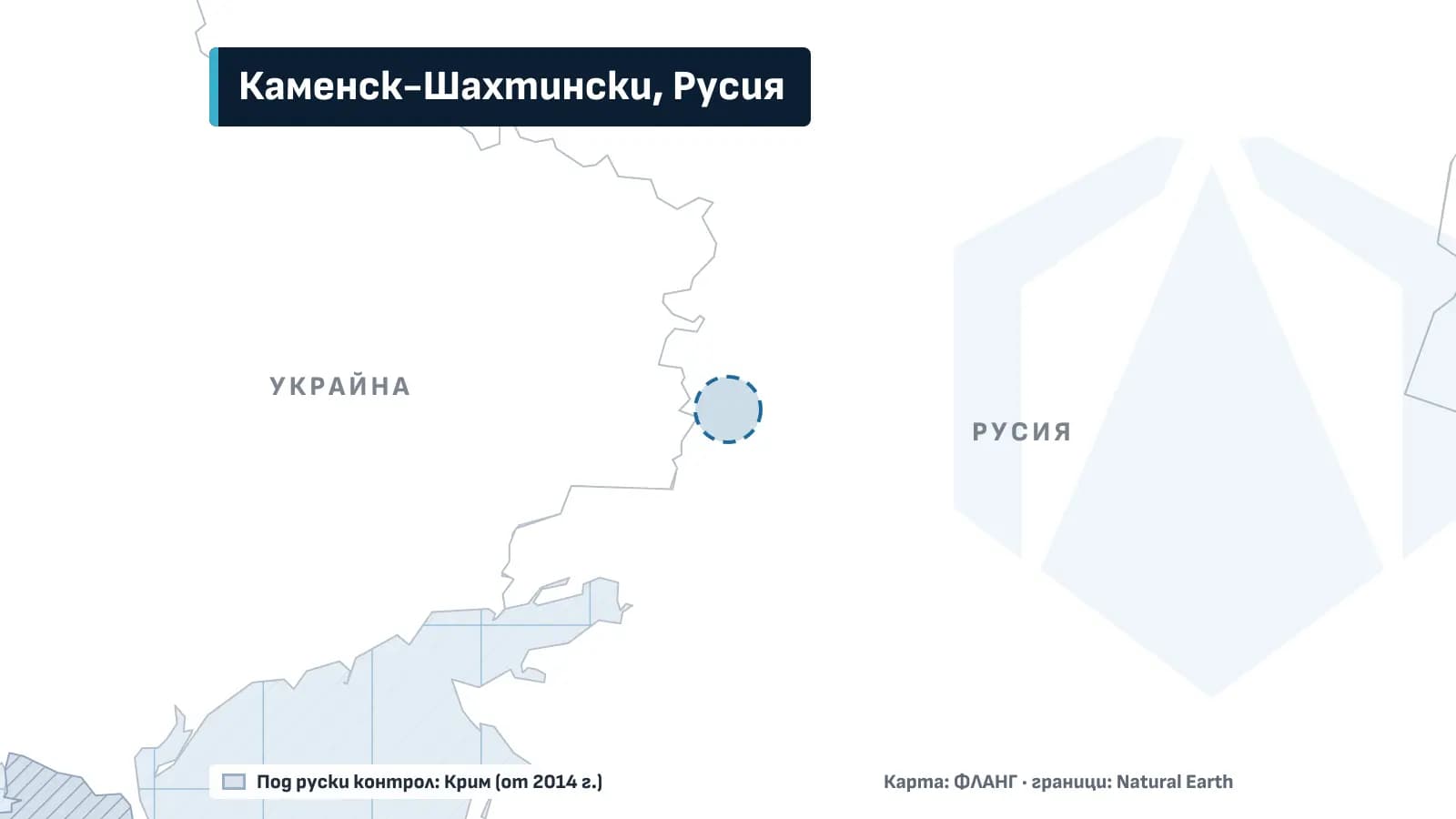
Ukraine says it struck rocket fuel plant in Russia’s Rostov region
Kyiv reports a drone and Neptune missile strike on the Kamensky plant and damage to four production facilities. The actual damage and impact on production remain independently unconfirmed.
UkraineRussia–Ukraine War
Ukrainian intelligence claims Russia is recruiting Ukrainian refugees for sabotage in Europe
Kyiv links the alleged recruitment to an attempt to undermine European support for Ukraine. Romanian and German reports provide details of individual investigations but confirm neither the scale of the campaign nor the suspects’ refugee status.
Minsk, BelarusRussia–Ukraine War
 Minsk, Belarus
Lavrov accuses EU of militarisation and challenges calls for a ceasefire in Ukraine
Russia’s foreign minister portrayed European calls for a ceasefire as an attempt to secure a military pause for Kyiv. His accusations are not supported by independently verified evidence.

MoldovaElectronic Warfare
 Moldova
Ukraine and Moldova discuss air defence and counter-drone measures
Kyiv is offering Moldova expertise in early warning, information sharing and countering unmanned aircraft. No equipment deliveries or specific timelines have been announced so far.
 English