
Keşan, TurkeyMilitary Aviation
Bayraktar TB2 tested as carrier for 16 FPV drones
Reports describe a configuration in which the TB2 carries small attack drones and relays communications with their operators. The reported test does not establish the maximum range or the ability to use all 16 aircraft simultaneously.
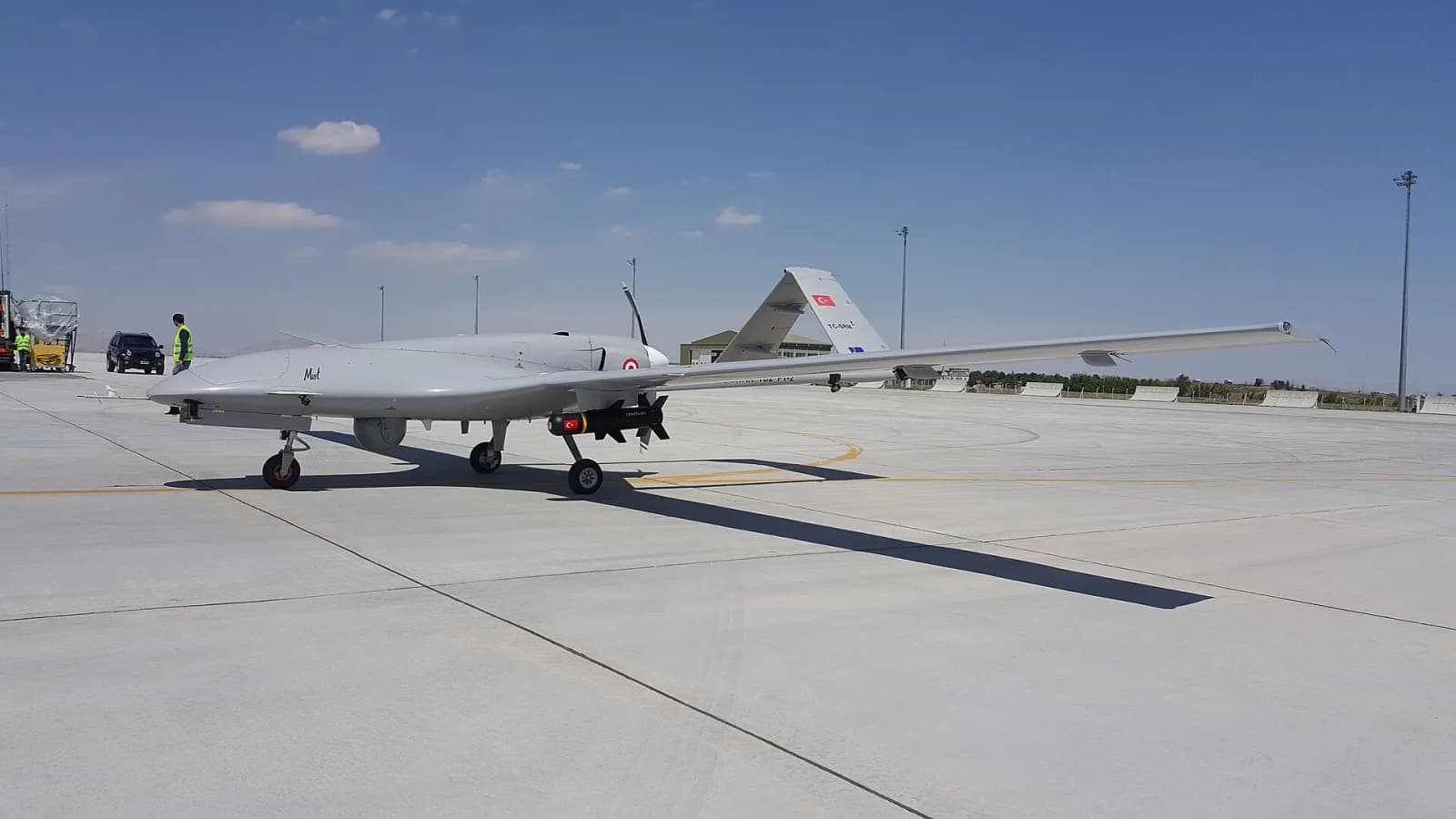
Turkish manufacturer Baykar has tested a Bayraktar TB2 carrying 16 small Skydagger attack drones, reports Turkish aviation, tourism and defence publication Haber Aero. According to the publication, two were released in flight and struck their designated targets. Operators controlled them via a communications link relayed through the TB2. According to the reports, the aircraft took off from the test centre in Keşan, north-western Turkey. A video of the demonstration was released on 4 November 2026, but the date of the flight itself remains unknown. At the time of publication, Flank had found no independent confirmation of the reported results.
TB2 tested with 16 drones on board, but two were released
According to Romanian news publication HotNews.ro, the small drones were manufactured by Turkish company Skydagger. HotNews.ro cites The Defense News for the details of their mounting on specially developed racks, with eight under each wing of the TB2. These are FPV drones, which the operator controls using a video feed from their onboard camera.
Haber Aero reports that two aircraft were released during the test and struck their designated ground targets. According to the publication, separate operators controlled them via a communications link relayed through the TB2.
Romanian defence and security portal Defense România embeds a post from Baykar’s official account dated 4 November, labelled as a test launch of 16 FPV drones. This confirms the existence of a public announcement by the manufacturer, but does not constitute independent observation of the flight. HotNews, in turn, cites Defence Blog, so the two articles do not constitute independent confirmations.
The test described combines the carriage and release of the small aircraft with their subsequent control. Launching two drones does not, however, demonstrate that all 16 can be controlled simultaneously, or that they form an autonomous swarm whose aircraft coordinate their actions independently.
The claim of “thousands of kilometres” is not a measured result
According to Turkish daily Akşam, cited by Defence Blog and, through it, by Romanian outlet HotNews, Haluk Bayraktar, chief executive of Turkish manufacturer Baykar, said that transporting an FPV drone aboard a TB2 and relaying its signal through the aircraft could increase the FPV drone’s usual range from around 15 km to thousands of kilometres. According to the same report, the manufacturer has not announced an official maximum range for this configuration.
Three measures need to be distinguished here: the distance travelled by the carrier aircraft, the range of the communications link and the small drone’s independent flight after release. Airborne carriage would allow the drone to begin its flight closer to the target, while relaying the signal could extend the area in which it can be controlled. Neither, however, removes the limitations of its own power supply.
In Flank’s assessment, the significant potential capability is for the TB2 to deliver small attack systems and maintain communications with them. Assessing combat utility requires measured distances, testing under electronic countermeasures and data on behaviour following a loss of communications. The claim of “thousands of kilometres” cannot be treated as a proven performance characteristic of the FPV drone after release.
Romania’s TB2s do not mean a new capability has been acquired
According to HotNews, Romania has 18 Bayraktar TB2s in standard configuration, armed with conventional guided munitions. This gives the development regional relevance, but possession of the same carrier aircraft model does not demonstrate compatibility with the new equipment or an agreed upgrade.
For Romania, the decisive issue would be whether the demonstration leads to a retrofit offer and a procurement decision. The announcement of a test alone does not mean that the Romanian armed forces can already use the TB2 as a carrier for FPV drones.
Sources
4 secondary reports
Secondary reporting
Defence Blog · defence-blog.com
Baykar turns its Bayraktar TB2 into a carrier for FPV dronesOtherHaber.aero · haber.aero
Bayraktar TB2’den FPV dronlarla nokta atışı!OtherDefense Romania · defenseromania.ro
Bayraktar TB2 devine platformă lansatoare: Turcii au modificat drona pentru a transporta și coordona 16 drone FPV în aerVerified mediaHotNews.ro · hotnews.ro
Cum au transformat turcii dronele Bayraktar TB2 într-o „navă-mamă” și le testează pentru nou rol pe front. Ce înseamnă pentru dronele Armatei RomâneVerified media
Linked to this story
 Türkiye
Related topics
Crimea, UkraineRussia–Ukraine War
 Crimea, Ukraine
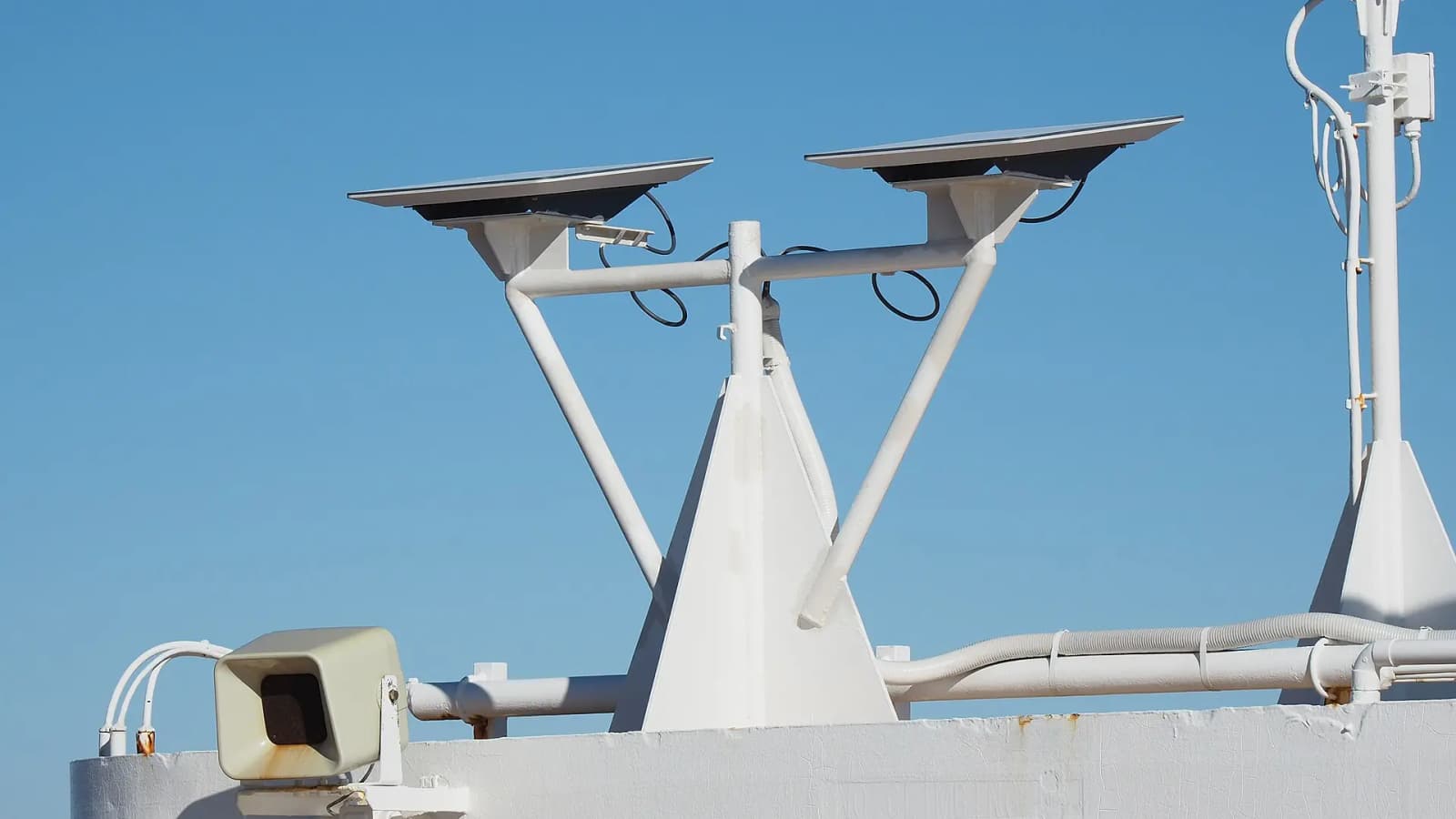
Ukrainian adviser claims Russia is expanding Starlink jamming capabilities
According to Serhiy ‘Flash’ Beskrestnov, Russian forces are increasing their Starlink jamming assets around sites in occupied Crimea and along the front. The claims describe local protection, not an ability to disrupt the network across the whole of Ukraine.
RomaniaDrones
 Romania
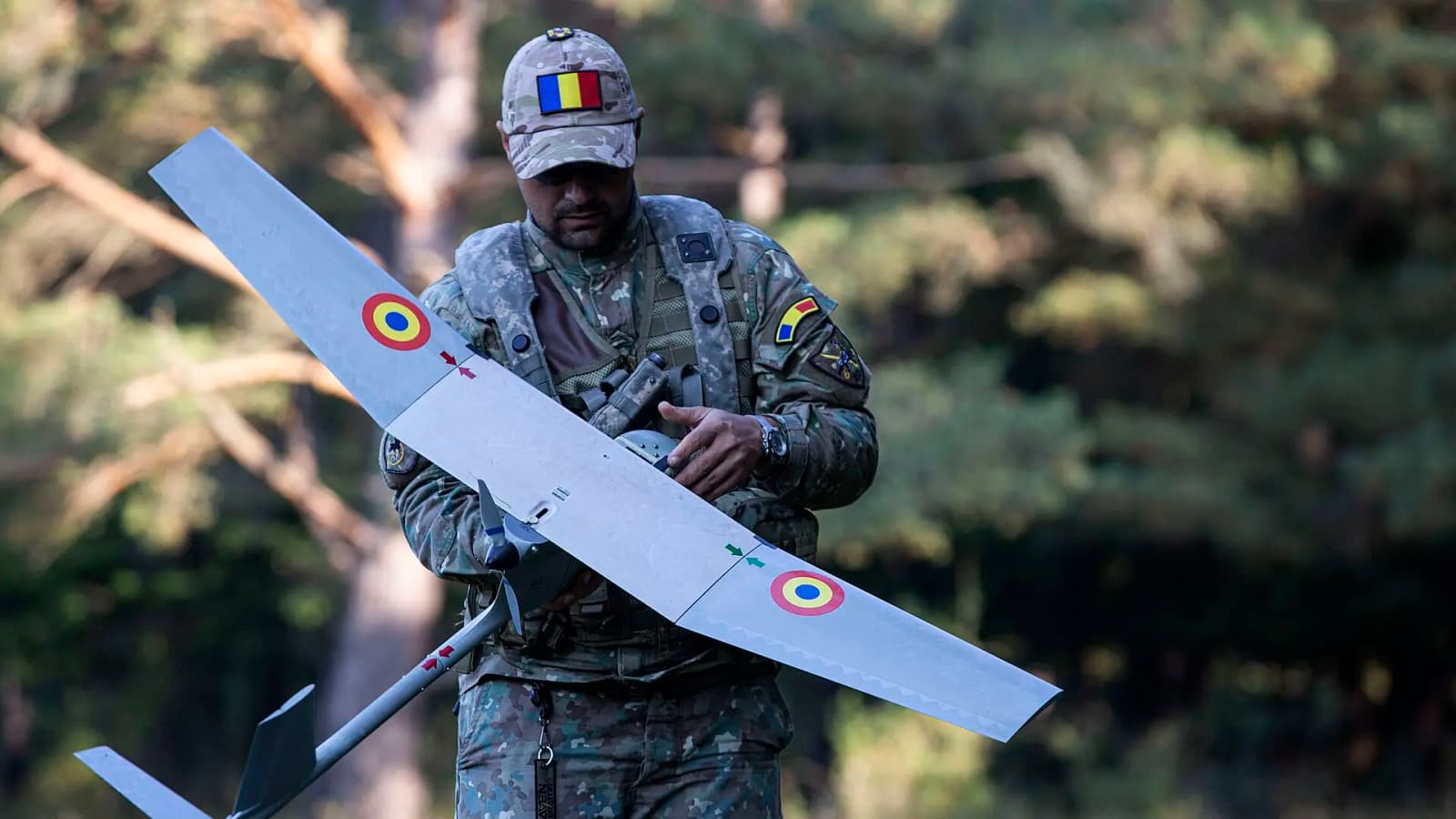
 and Ukraine plan €200 million joint drone production
The Romanian prime minister confirmed plans for a joint project with Ukraine, which the defence ministry says will be funded through the European SAFE instrument. It is unclear whether the contract has been signed or when production will begin.
LatviaDrones
 Latvia
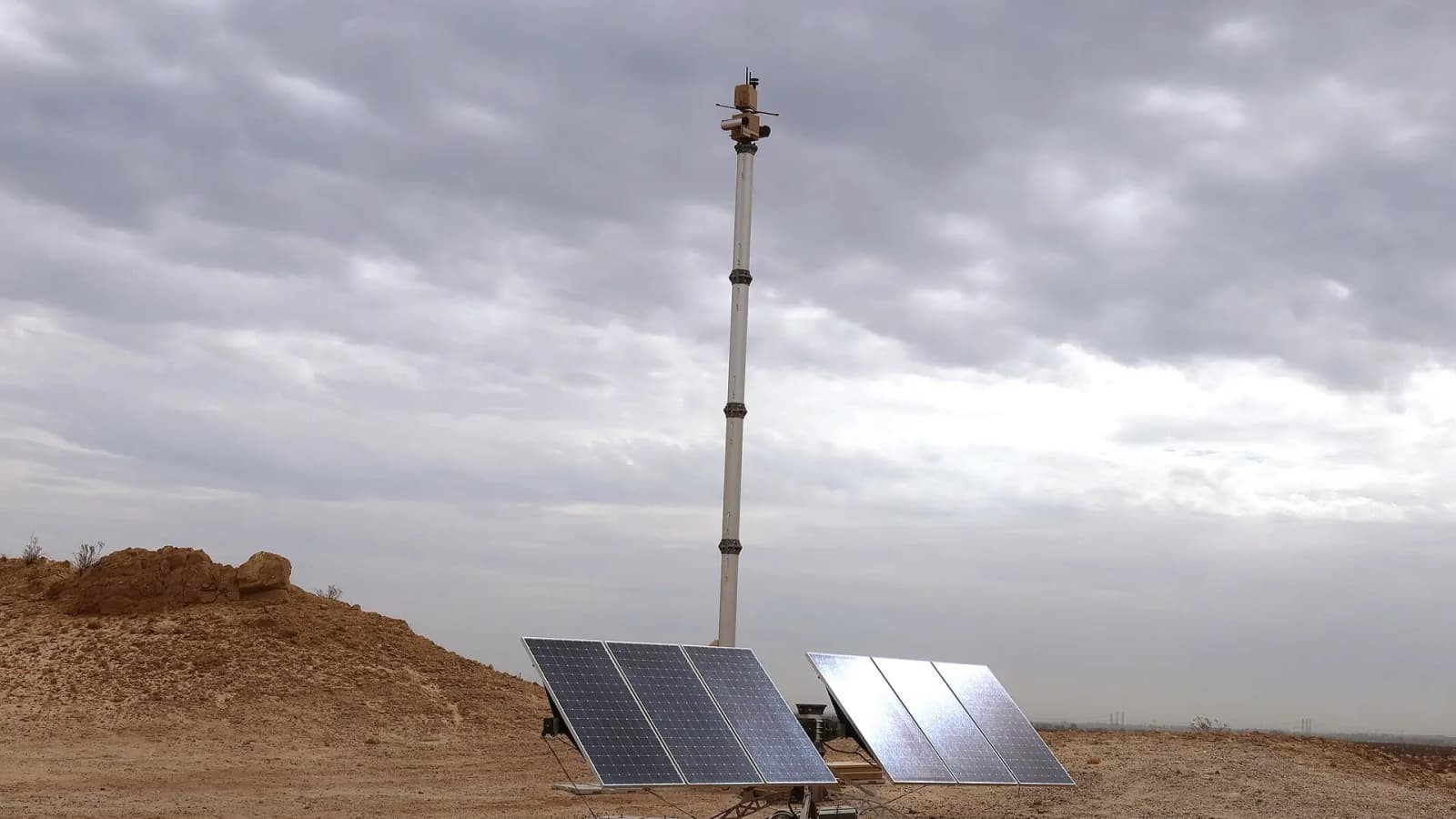
’s ORIGIN and US firm Anduril demonstrate counter-drone configuration
According to information from the manufacturers, the demonstration combined the BLAZE interceptor, a command-and-control platform and a radar already used by Latvia’s air defence. The integration described could allow existing infrastructure to be used, but no results from actual interceptions have been released.
TürkiyeShipping
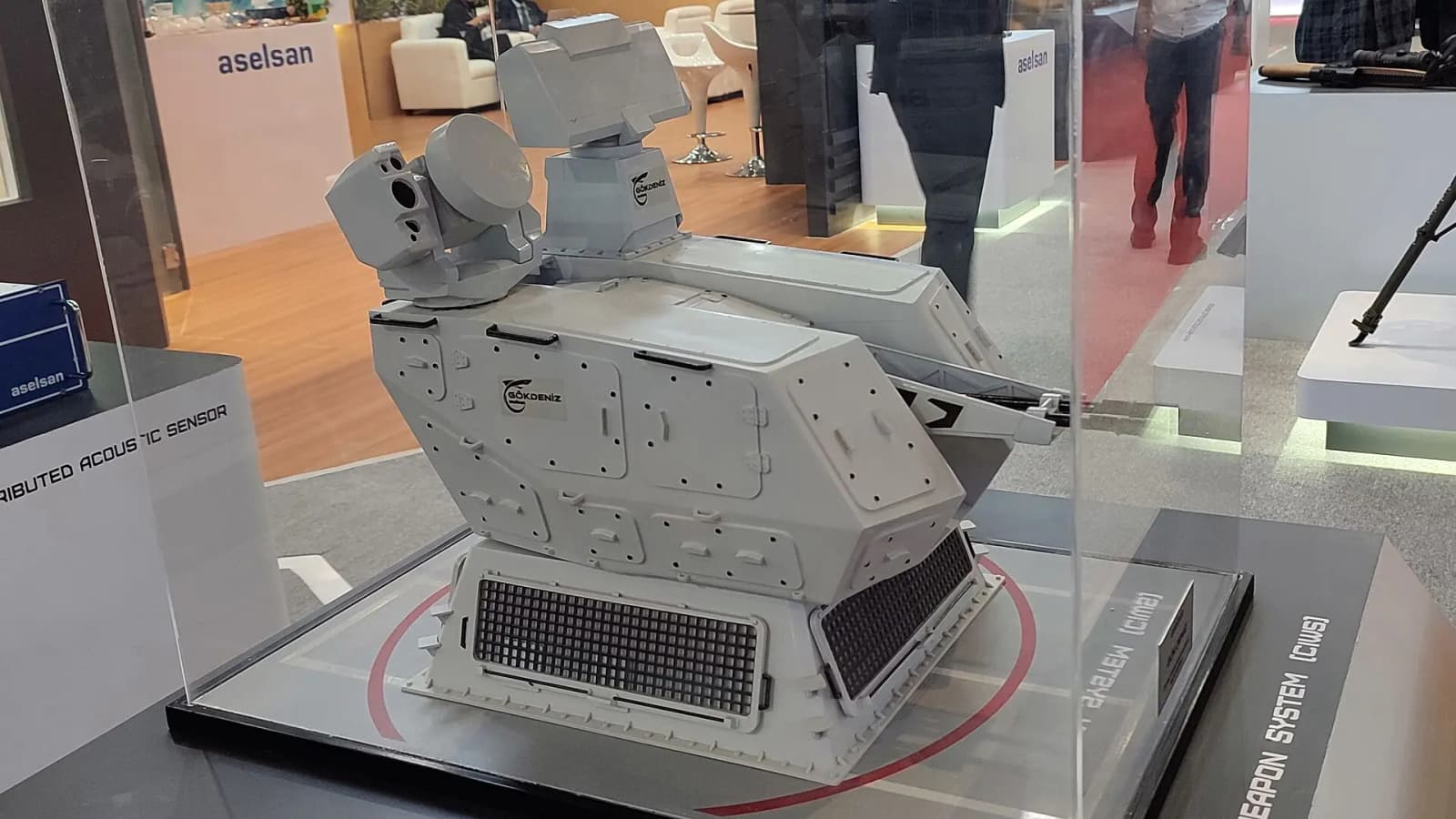
Turkish company ASELSAN offers air defence for civilian ships
Reports describe portable configurations of GÖKDENİZ and GÖKSUR VLS for protecting merchant vessels as well. They concern a possible application, not verified installation of weapons on tankers in the Black Sea.
 English