
Ustka, PolandDrones
 Ustka, Poland
US Army reportedly tested FD-1 drone interceptor in Poland
According to Defence Industry Europe, the trials focused on lower-cost ways to counter mass drone attacks and on operator training. Results on interception success rates and costs are not yet available.
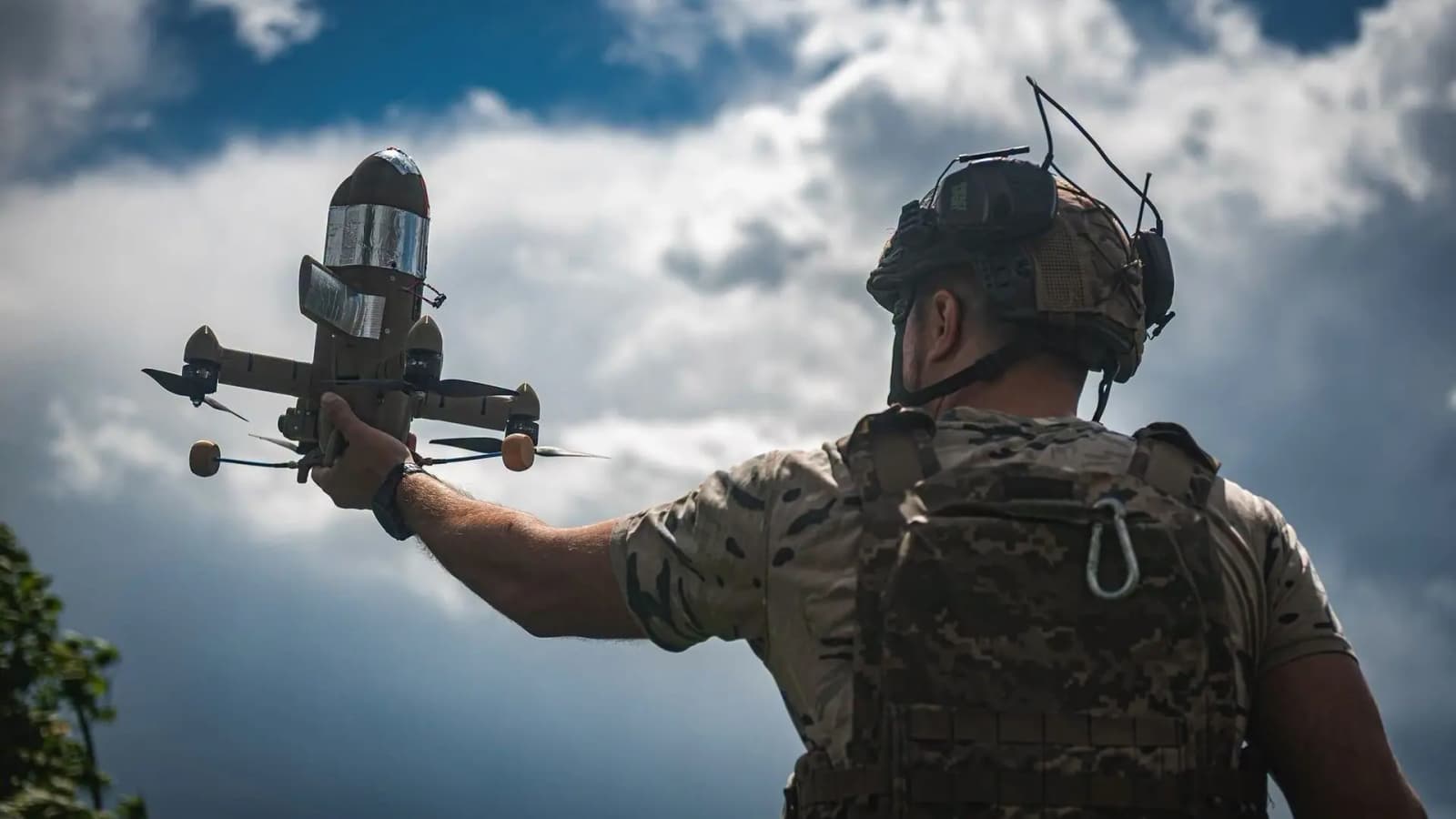
The US Army conducted trials of the FD-1 interceptor from 2 to 6 November 2026 at the Ustka training area in Poland, reports Defence Industry Europe, a Polish portal covering the European defence industry, citing US military personnel. This is the sole source of information. At the time of publication, Flank had found no independent confirmation.
Tactics and operator training assessed
According to Defence Industry Europe, the trials were led by the Tactics, Integration and Employment Battery of the 5th Battalion, 4th Air Defense Artillery Regiment, as part of Operation Audacious Fury. The assessment covered the use of FD-1 against Group 1–3 unmanned aircraft.
The work also included developing tactics, procedures and a training and certification programme. Sergeant Felix Aguilar, quoted by the portal, explained that the aim was to train soldiers with no previous experience of first-person-view (FPV) aircraft, controlled using a feed from an onboard camera, to serve as operators.
According to the publication, soldiers from the battery are expected subsequently to train and certify operators in other US Army units in Europe and Africa. This is a stated intention, not training already carried out in those units.
Interception costs remain unknown
The battalion commander, Lieutenant Colonel John Verville, told Defence Industry Europe that it was important to counter large numbers of unmanned targets without inefficiently expending expensive munitions. The portal describes the FD-1 assessment specifically as an examination of a potentially cheaper option for such defence.
In Flank's assessment, the decisive metric would be the cost per successful interception, rather than simply the price of an individual aircraft. Calculating this requires information on success rates, the number of interceptors used against each target, the number of operators and equipment costs. Without these metrics, it is impossible to establish whether FD-1 actually reduces the cost of defence against a mass attack.
No published results or procurement plan
The published information does not specify the number of interceptions, the particular targets, the trial conditions or the success rate. The FD-1's unit price, range, method of destroying targets and degree of autonomy are also unknown. The report of the trials therefore does not prove that a mass attack was repelled.
The Defence Industry Europe article does not identify a contract, quantities or a timetable for entry into operational service. Measurable results are needed to assess combat effectiveness and costs.
Sources
1 secondary report
Secondary reporting
Defence Industry Europe · defence-industry.eu
U.S. Army tests FD-1 interceptor as a lower-cost option against massed drone attacksOther
Linked to this story
Related topics
LatviaDrones
 Latvia
’s ORIGIN and US firm Anduril demonstrate counter-drone configuration
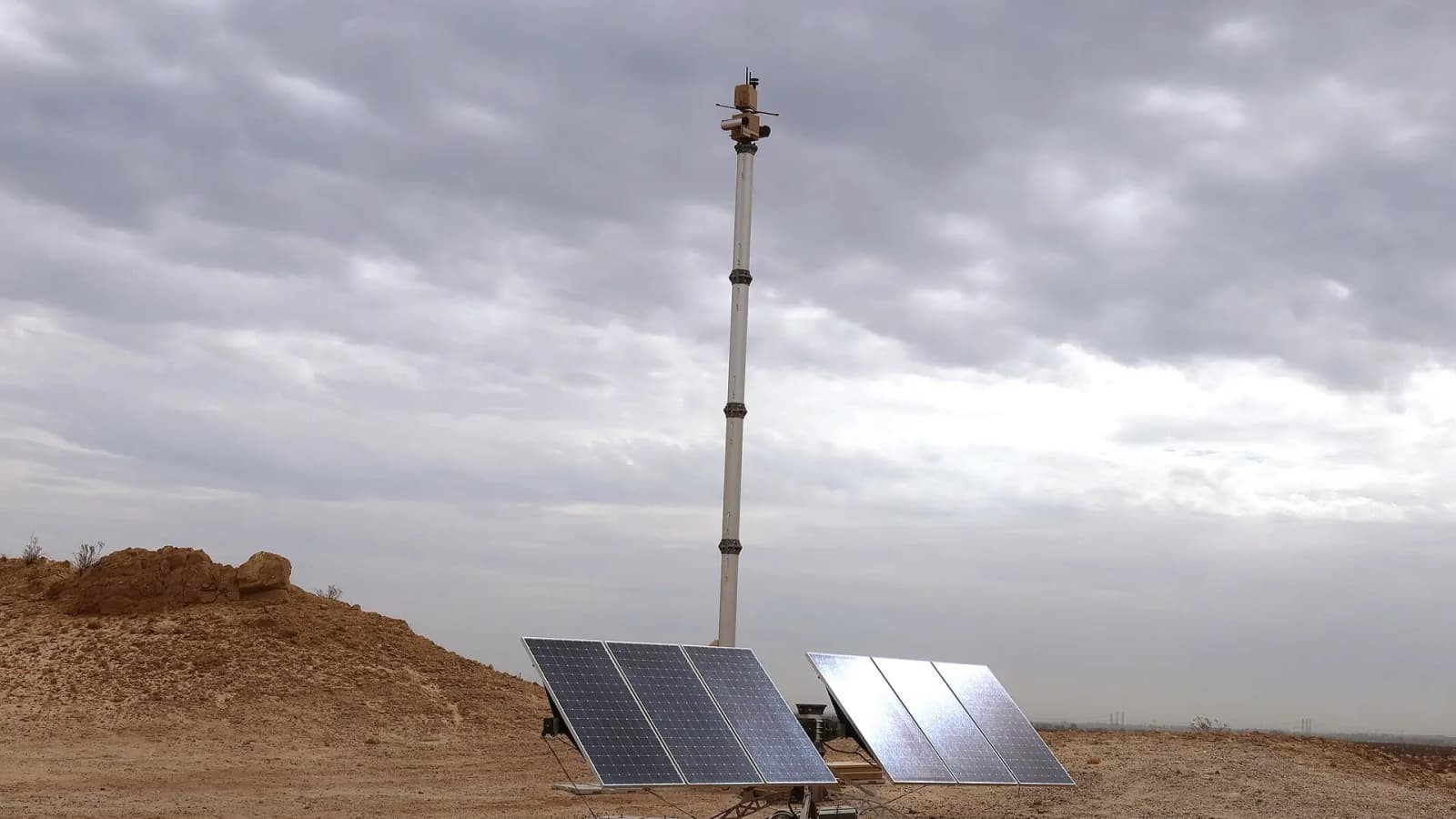
According to information from the manufacturers, the demonstration combined the BLAZE interceptor, a command-and-control platform and a radar already used by Latvia’s air defence. The integration described could allow existing infrastructure to be used, but no results from actual interceptions have been released.
CheshnegirovoDrones
Bulgaria hosts NATO exercise with drones and counter-drone systems
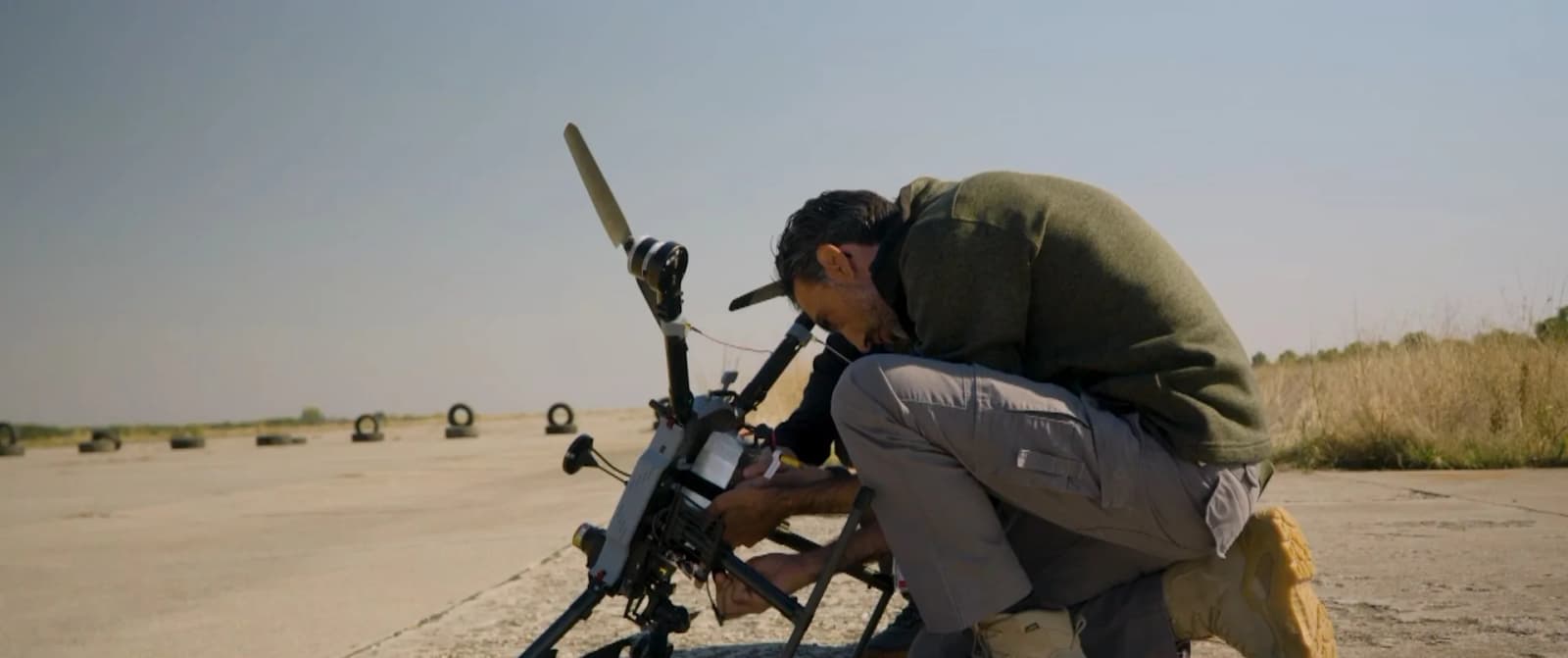
At Cheshnegirovo airfield, BOLD ADRA 26 brings together special forces and industry representatives for joint trials of drones and counter-drone systems. The aim is to test not only how individual technologies perform, but also how they work together in an operational environment.
FinlandDefence Industry
 Finland
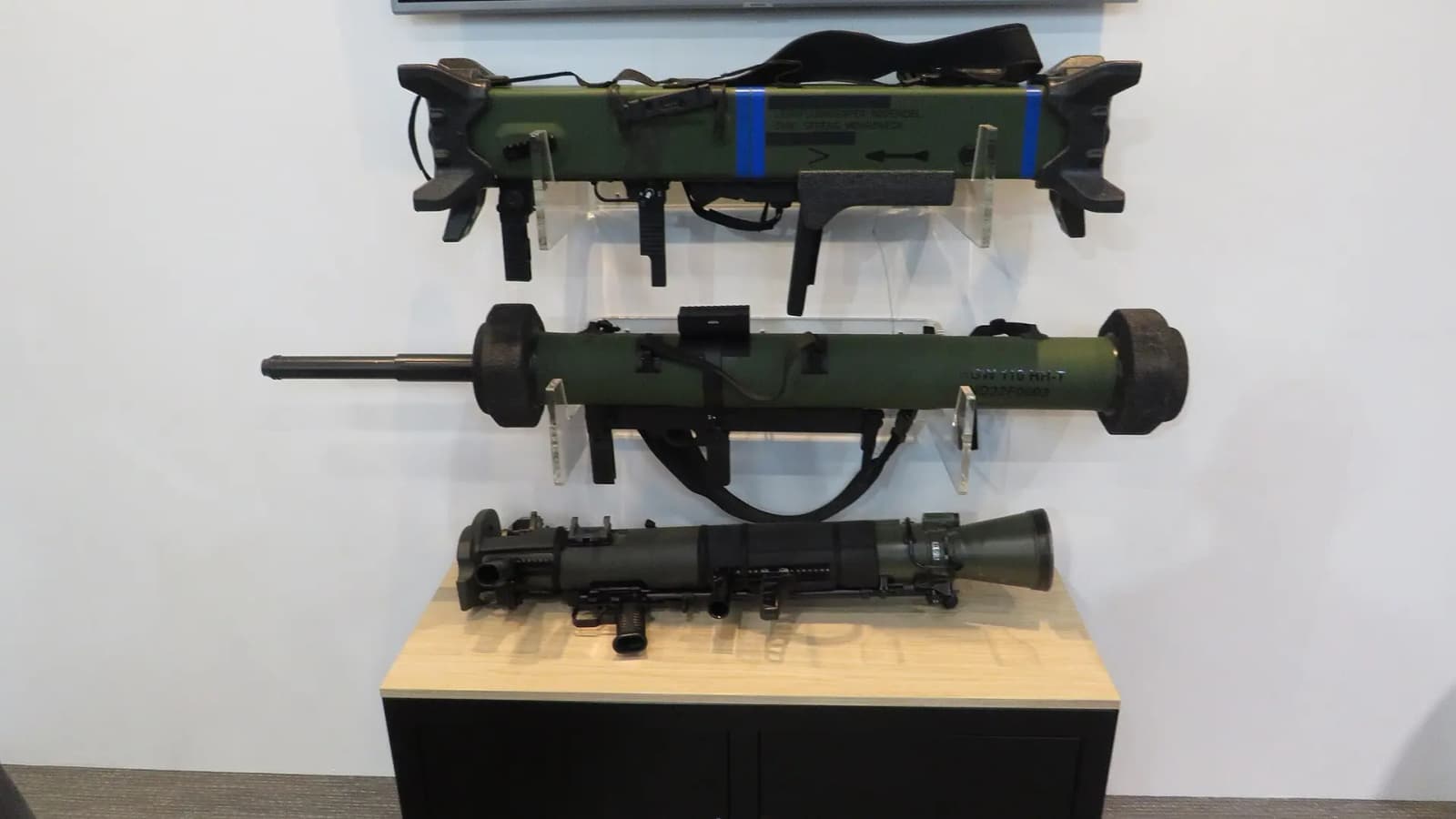
 selects RGW 110 anti-tank launchers for around €84.5 million
The German disposable anti-tank launchers are to replace APILAS in the Finnish Army. Deliveries and training are expected to begin in 2027, but the number of weapons has not been disclosed.
RomaniaDefence Industry
 Romania
 expects delayed upgraded Oerlikon systems in December
According to a Romanian Ministry of National Defence response to Defense România, Rheinmetall expects to deliver the first two systems in December 2026. The ministry is applying contractual penalties, but the results of repeat acceptance trials remain unclear.
 English