
UkraineRussia–Ukraine War
 Ukraine
’s defence ministry reports Geran-4 and Geran-5 interceptions by robotic mounts
Ukraine reports combat results from robotic mounts against drones and is preparing joint command and control for different air defence systems. The specific interceptions have not been independently confirmed.
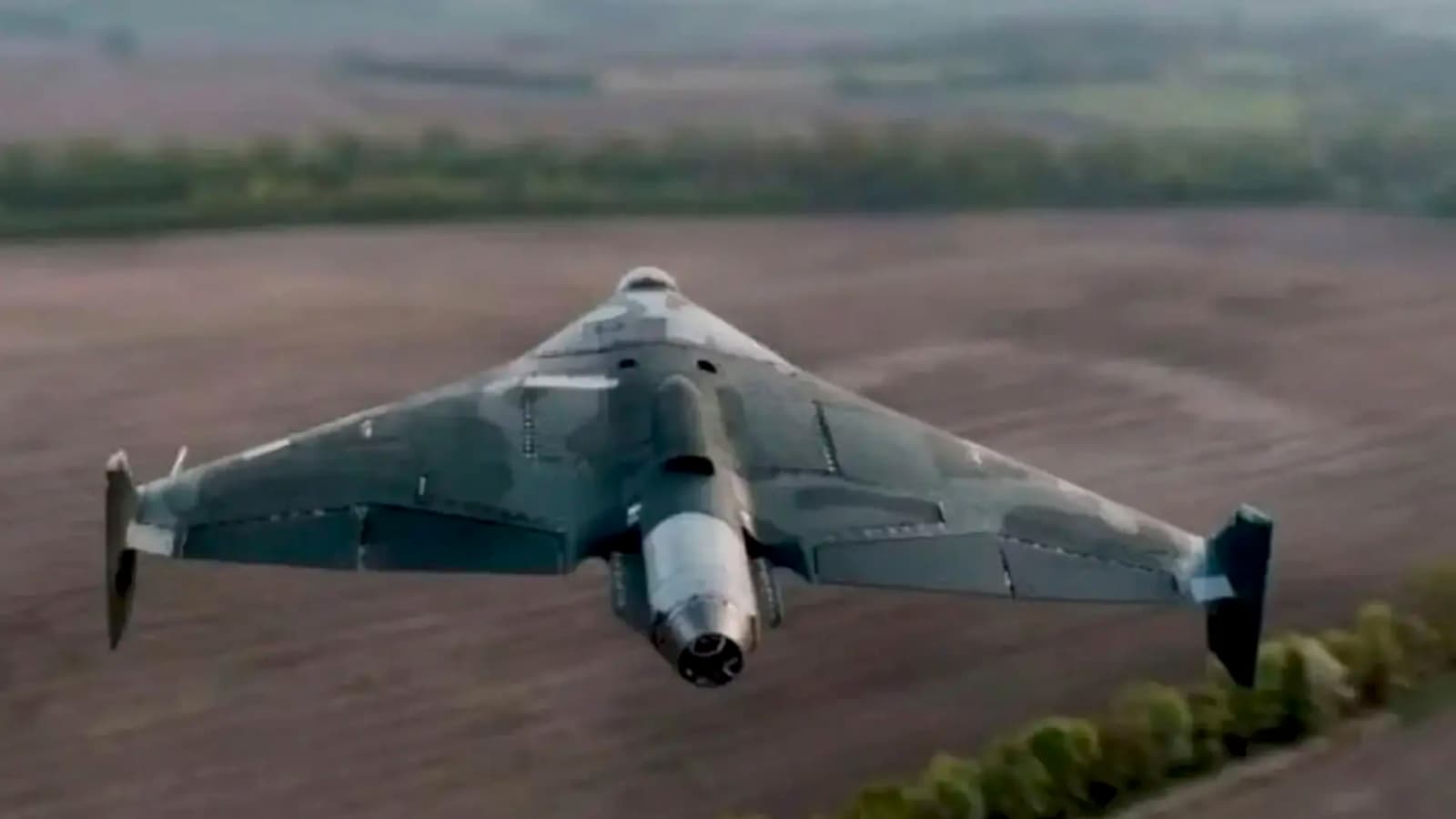
Ukraine’s Ministry of Defence reports that robotic air defence mounts have destroyed drones designated Geran-4 and Geran-5. The claim was announced in connection with Defence Minister Yevhen Khmara’s visit to air defence command posts and positions on 2 November 2026. ArmyInform and Unmanned Airspace covered the visit, with both reports drawing on a single official source — Ukraine’s Ministry of Defence. During its checks before publication, Flank found no independent sources confirming these specific interceptions. This is a developing story and further information may be added.
What Ukraine’s defence ministry reports
According to ArmyInform, during the visit Khmara discussed the combat use of robotic mounts with military personnel, along with proposals to improve their effectiveness, including through suitable types of ammunition. The ministry says it intends to expand the use of solutions it describes as combat-proven.
This is not the first such announcement. According to Ukraine’s Ministry of Defence, quoted by Ukrinform, automated mounts are already in service with the Air Force and are destroying aerial threats, including Geran-5 drones. The same report cites more than 60 targets destroyed under the private air defence project. This is an overall result, not a count of Geran-5 drones shot down, and does not separately confirm the interceptions discussed on 2 November.
The announcement does not make clear when or where the interceptions took place, or how many targets were hit; it also provides no evidence that would allow the claim to be verified. The models of the mounts, their armament and the ammunition used have not been disclosed. The description “robotic” does not in itself mean that the systems select targets and open fire autonomously.
Plan for joint command and control of NASAMS and IRIS-T
Another topic during the visit was the interoperability of different surface-to-air missile systems. According to the defence ministry’s announcement, reported by ArmyInform and Unmanned Airspace, Ukraine is developing a plan to bring them together in a shared tactical command-and-control network. The systems discussed include NASAMS and IRIS-T.
This is a plan, not a completed integration. No implementation timetable or scope has been specified, nor has it been stated whether the robotic mounts will be included in the same network.
In Flank’s assessment, combining weapons with shared command and control is essential: a mount can supplement missile-based air defence only if it receives timely target information and operates in coordination with other assets. However, the announcement does not describe how detection, tracking and target designation were organised during the claimed interceptions.
What is missing from an assessment of effectiveness
Without information on the total number of attacking targets, unsuccessful attempts and ammunition expenditure, neither the success rate nor the cost per interception can be assessed. The claimed hits alone are also insufficient to judge whether the solution can be deployed at scale.
The subject has indirect relevance to Bulgarian defence planning when selecting counter-drone protection and linking different air defence assets. The Ukrainian announcement does not establish Bulgarian involvement and does not demonstrate that these particular mounts are suitable for use in Bulgaria.
Sources
1 primary or official2 secondary reports
Primary / Official
ArmyInform · armyinform.com.ua
Євгеній Хмара відвідав позиції підрозділів ППОPrimary sourceMilitary
Secondary reporting
Unmanned Airspace · unmannedairspace.info
Ukraine reports robotic turret interceptions of Geran drones as it integrates air defence systemsOtherUkrinform · ukrinform.net
Private military company destroys more than 60 targets using automated turretsNews agency
Linked to this story
 Russia
Related topics
Odesa region, UkraineMilitary Aviation
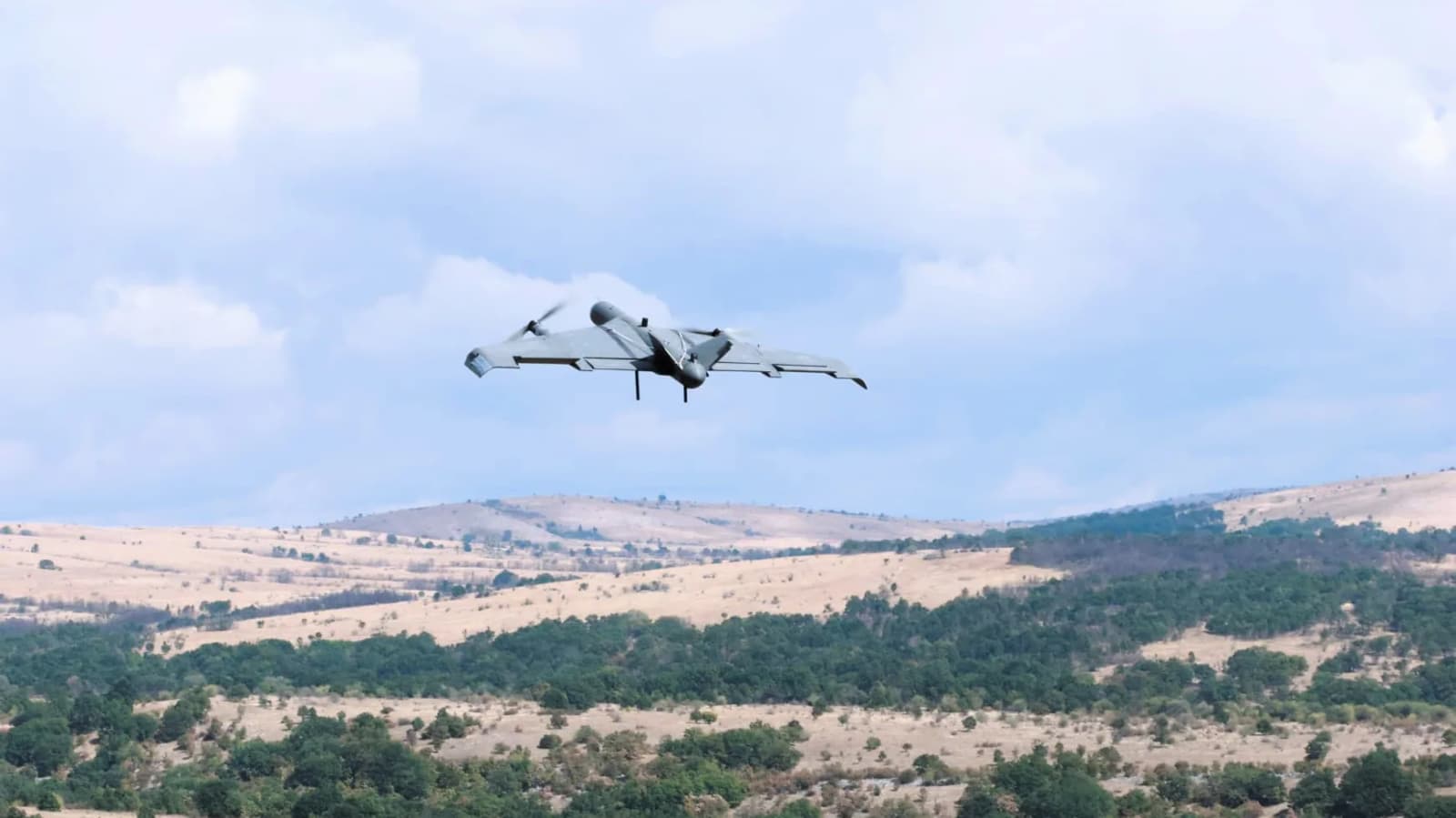
Geran-5 K5-K missile reportedly crashes in Odesa region
The outlet has published information about photographs of a craft it identifies as a new Russian variant with a modified design. Its identity and the cause of the crash remain unconfirmed.
 English