
LatviaMilitary Aviation
Latvian military assesses one intruding drone as Russian and the other as Ukrainian
Two incidents on successive days prompted public warnings, with NATO fighters scrambled during the second. The drones’ affiliation and ultimate fate remain unclear.
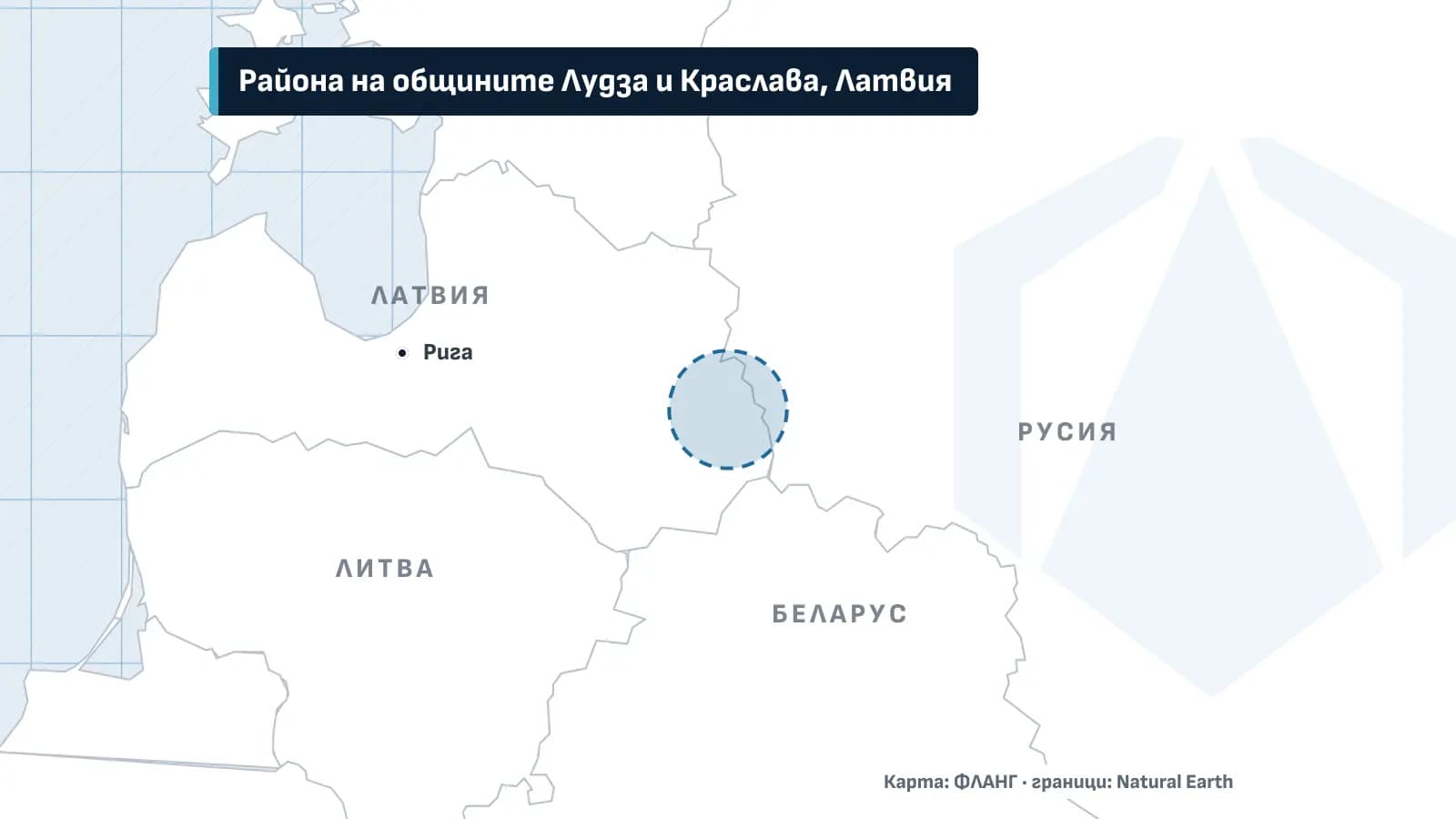
Latvia’s National Armed Forces released further details on 3 November 2026 about two unmanned aircraft that entered the country’s airspace on two successive days, Latvian public broadcaster LSM reported. The Latvian military said it believed one drone was Russian and the other Ukrainian, BTA reports, citing Reuters. These are military assessments, not independently confirmed identifications.
Military suspects Russian and Ukrainian origin
According to a Latvian military spokesperson, the unmanned aircraft detected on Sunday was of the Russian Geran type and apparently subsequently crossed back over the border into Russia. It is unclear whether it was armed.
The military suspects that Monday’s aircraft was Ukrainian and probably crashed on Latvian territory. However, it has not been found. Without recovered wreckage and a technical examination, this assessment cannot be considered definitive.
LSM stresses that a full picture of the types of the two aircraft and where they ended up is still lacking.
Warnings near the borders and NATO fighters scrambled
On Sunday and Monday, the Latvian armed forces issued air threat warnings in areas near the borders with Belarus and Russia and urged residents to take shelter. NATO fighters assigned to the Baltic Air Policing mission were scrambled during the second incident, BTA and 24 Chasa report, citing Reuters.
The scrambling of fighters does not in itself mean that the aircraft was intercepted or neutralised. It is unclear whether the pilots made direct contact with it or used weapons. The public warnings were also a precaution, not evidence of an established attack on a populated area.
Origin does not reveal who operated the aircraft
The operators, missions and exact routes of the two aircraft remain unknown. Suspected Russian or Ukrainian origin does not establish where they took off from or whether their entry into Latvia was intentional. There is no basis for describing the two incidents as a coordinated operation.
Repeated reporting is not independent confirmation either: BTA and 24 Chasa cite Reuters, while HotNews cites Reuters via Agerpres. Finding the second aircraft, obtaining identification evidence and tracing both flights are important for reaching definitive conclusions.
Sources
2 independent reports2 secondary reports
Independent reporting
Bulgarian News Agency (BTA) · bta.bg
Латвия смята, че единият от двата дрона, нарушили въздушното ѝ пространство в последните дни, е руски, а другият - украинскиNews agency24 Chasa · 24chasa.bg
Латвия: Руски и украински са дроновете, нарушили въздушното ни пространствоVerified media
Secondary reporting
Public Broadcasting of Latvia (LSM) · eng.lsm.lv
More details released about recent drone incidents in LatviaVerified mediaHotNews.ro · hotnews.ro
Spațiul aerian al Letoniei, încălcat și de Rusia, și de Ucraina. Două zile de alarme la granițele țăriiVerified media
Linked to this story
 Latvia
 Russia
 Ukraine
Related topics
Balvi, LatviaDrones
Latvia declares an air alert on the Russian border, object falls in Balvi municipality
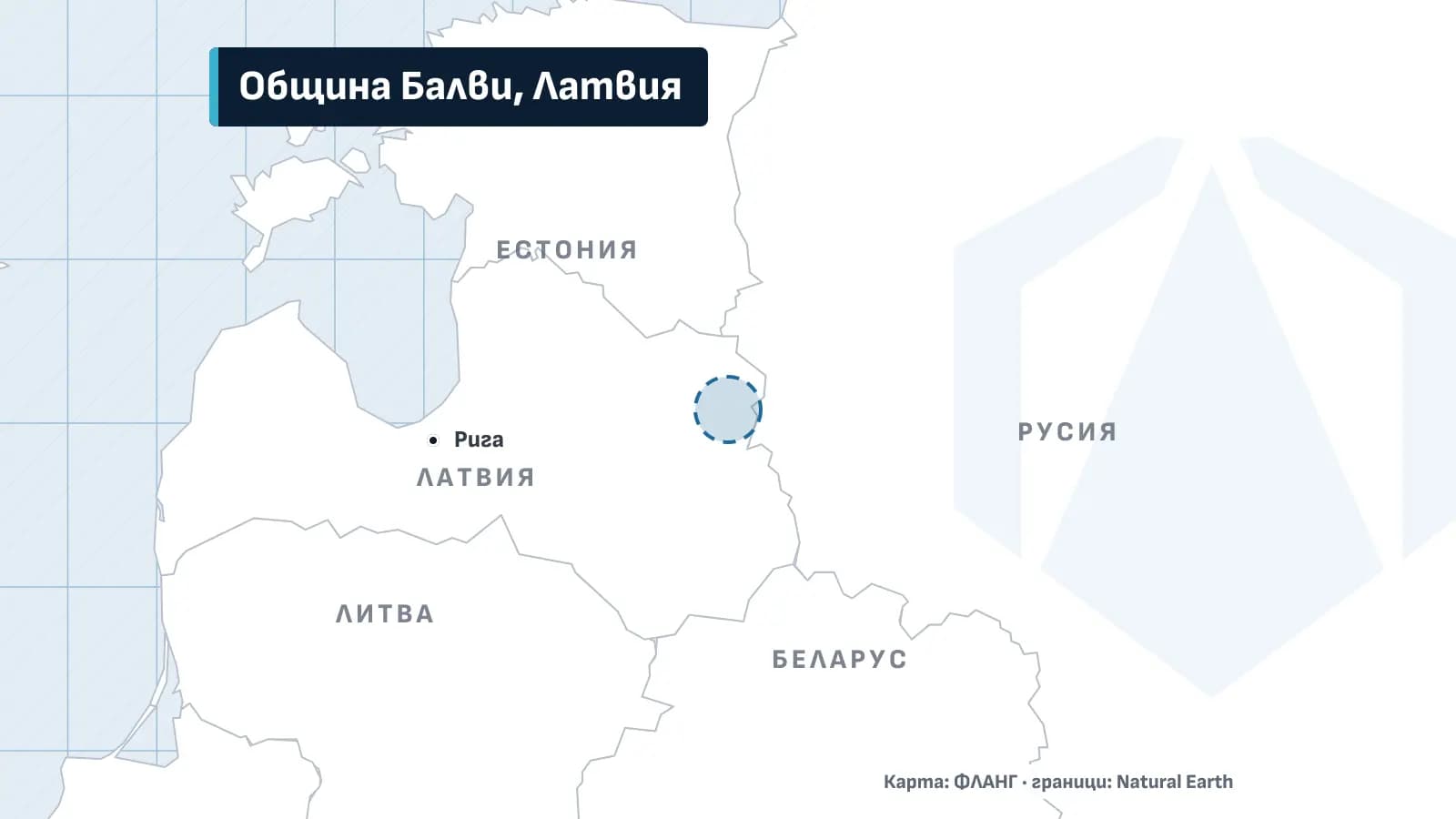
Overnight into 3 November Latvia’s armed forces issued an orange warning of a threat in the airspace over Balvi and Ludza municipalities, on the border with Russia. According to the army’s initial information, an object fell in Balvi municipality; its type and origin have not been established.
Ludza and Krāslava, LatviaMilitary Aviation
Latvia issues, then lifts air alert near Russian border
The warning covered the municipalities of Ludza and Krāslava. According to the Latvian military, an unidentified flying object crossed the border, but its type and affiliation have not been established.

LatviaMilitary Infrastructure
Dombrovskis announces two European drone centres in Latvia and the Netherlands
The two pilot centres are planned for 2027 and will cover drone and counter-drone technologies. The announcement concerns development and testing, not military capabilities already acquired.
 English