
Yaroslavl, RussiaRussia–Ukraine War
Russian Defence Ministry claims 856 drones downed overnight over Russia, Crimea and the Black Sea
Russian authorities also report damage to a refinery and two people wounded in Yaroslavl. The claimed number of interceptions has not been independently confirmed and does not allow an assessment of air defence effectiveness.
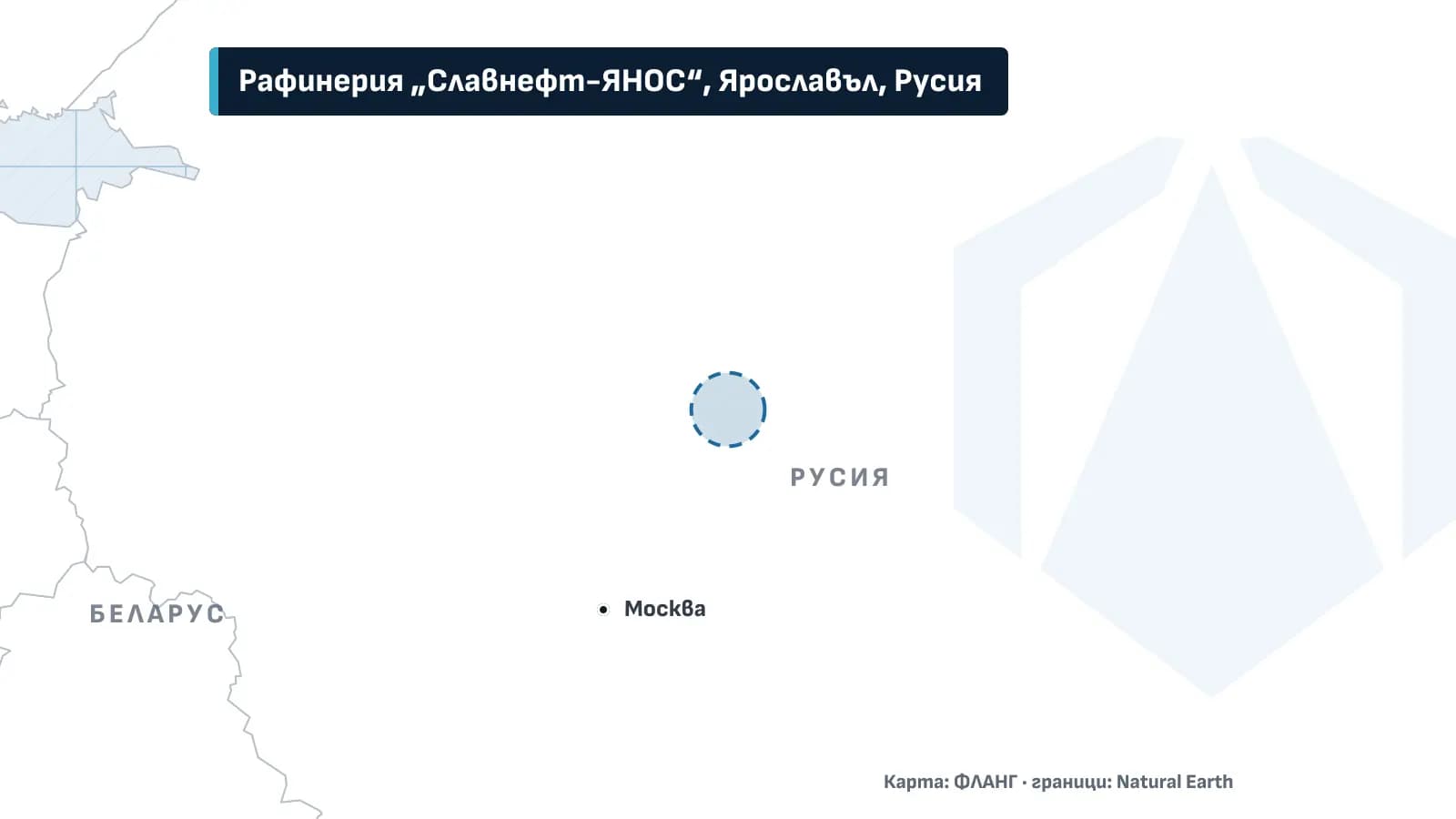
On 3 November, the Russian Ministry of Defence said Russian forces had destroyed 856 fixed-wing unmanned aircraft during the previous night, describing them as Ukrainian, Interfax reported. According to the statement, quoted by Interfax and TASS, the aircraft were intercepted over the Moscow region, 13 other Russian regions, Crimea and the Black Sea. Both agencies cite the same official source. At the time of publication, Flank had found no independent confirmation of the number or origin of the aircraft.
856 overnight and 1,265 over 24 hours
In a later update on 3 November, the Russian Defence Ministry announced that 1,265 fixed-wing unmanned aircraft and four Neptune missiles had been shot down over a 24-hour period, Interfax reported.
That figure cannot be added to the overnight total of 856: the reports cover different reporting periods, whose precise start and end times are not specified. Both figures remain official Russian claims rather than independently established results.
The overnight update lists Bryansk, Belgorod, Kursk, Rostov, Yaroslavl and other regions. The claimed geographical spread of interceptions does not reveal the aircraft's routes or specific targets.
Refinery facilities damaged and two people wounded in Yaroslavl
Yaroslavl Region Governor Mikhail Yevrayev reported damage to refinery infrastructure and two employees with shrapnel wounds, Kyiv Post writes. Yevrayev also claims that 124 drones were shot down over the region.
Ukrinform and Kyiv Post identify the facility as Slavneft-YANOS and report a fire, citing ASTRA and eyewitness footage. These reports share a source and do not constitute two independent verifications of the images. The scale of the damage and any impact on production have not been established.
Both publications describe the refinery as one of Russia's five largest, with an annual processing capacity of around 15 million tonnes. According to Ukrinform, it also produces aviation fuel, while Kyiv Post lists airports and companies linked to the military-industrial complex among its customers. This information indicates the site's importance but does not establish whether the current incident has affected supplies.
Kremlin spokesman Dmitry Peskov said Ukrainian strikes on Russian energy infrastructure were continuing, TASS reported. He did not specify whether the attack in Yaroslavl breached any agreements between Kyiv and Washington.
The number of interceptions does not show how effective the defences are
Without knowing the total number of attacking aircraft, the figure of 856 cannot be used to calculate the success rate of Russian air defences. There is also no information on the interception systems used that would allow the cost of the defence to be assessed. “Fixed-wing” is a design category, not a specific model with a known range, payload and guidance system.
Reports of numerous interceptions and damage to the refinery are not necessarily contradictory. Even a large number of downed aircraft does not mean that all defended sites remained unscathed. At the same time, the cause and mechanism of the damage in Yaroslavl have not been independently established.
For Bulgaria, the regional connection is the mention of the Black Sea in the Russian update. Without coordinates and routes, this does not allow a conclusion that the aircraft were close to the Bulgarian coast or posed an immediate risk to the country. The information may be updated as events develop.
Sources
6 secondary reports
Secondary reporting
Interfax · interfax.ru
Военные РФ за ночь сбили над регионами 856 украинских беспилотниковNews agencyTASS · tass.com
Drone strike damages Yaroslavl refinery, Moscow faces one of largest attacks in six monthsNews agencyInterfax · interfax.ru
Российские военные за сутки сбили 1265 дронов и четыре крылатые ракеты ВСУNews agencyUkrinform · ukrinform.net
Drone attack sparks fire at one of Russia’s largest oil refineries in Yaroslavl, media reportNews agencyKyiv Post · kyivpost.com
Ukraine Intensifies Oil Blitz on Russia, Striking Major Refinery in YaroslavlVerified media- News agency
Linked to this story
 Russia
 Ukraine
Dzhankoi, CrimeaMilitary Infrastructure
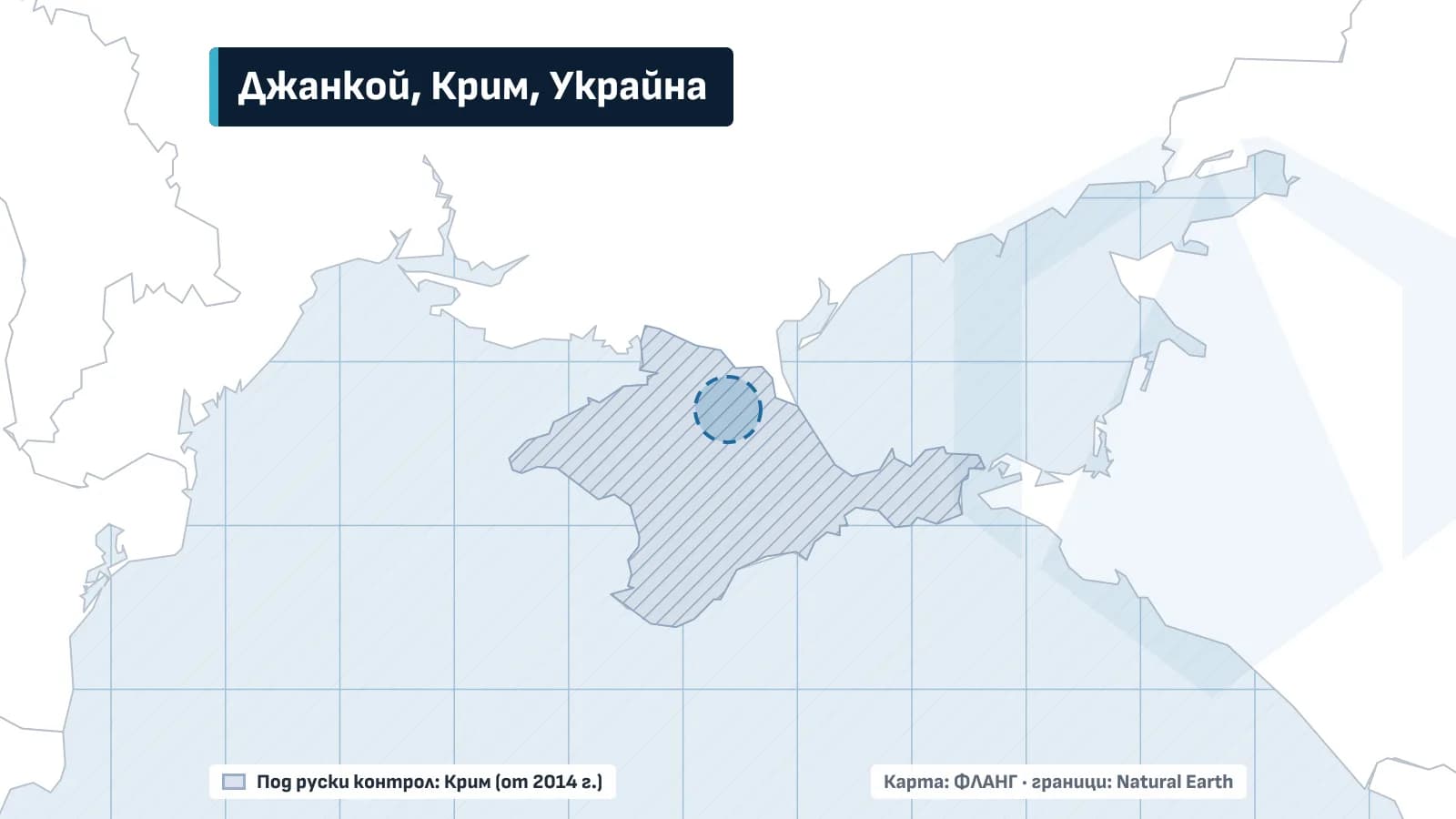
ATESH movement claims it received information on security at a Dzhankoi substation
According to Ukrinform, the movement cites an agent of its own in the Russian armed forces. It links the energy facility to military supply in occupied Crimea, but neither this link nor the information received has been independently confirmed.
Gvardeyskoye, CrimeaOSINT
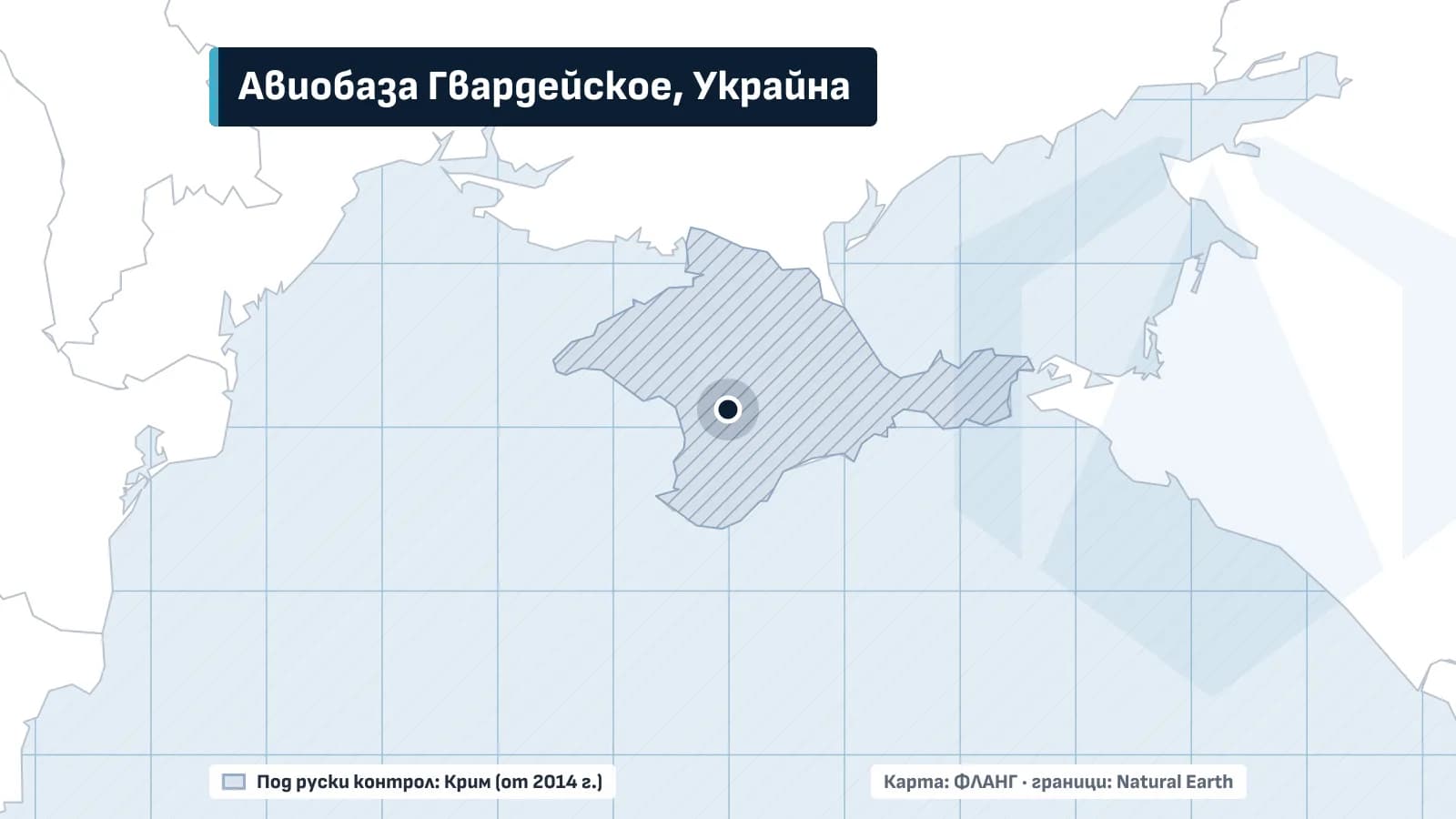
New drone shelters reportedly under construction at Gvardeyskoye airfield in Crimea
According to the Ukrainian channel, more than 20 shelters protected by earth embankments and around 40 smaller structures are being built at the airfield. There is no independent confirmation, and the number of facilities alone does not indicate an increase in attack capacity.
Crimea, UkraineRussia–Ukraine War
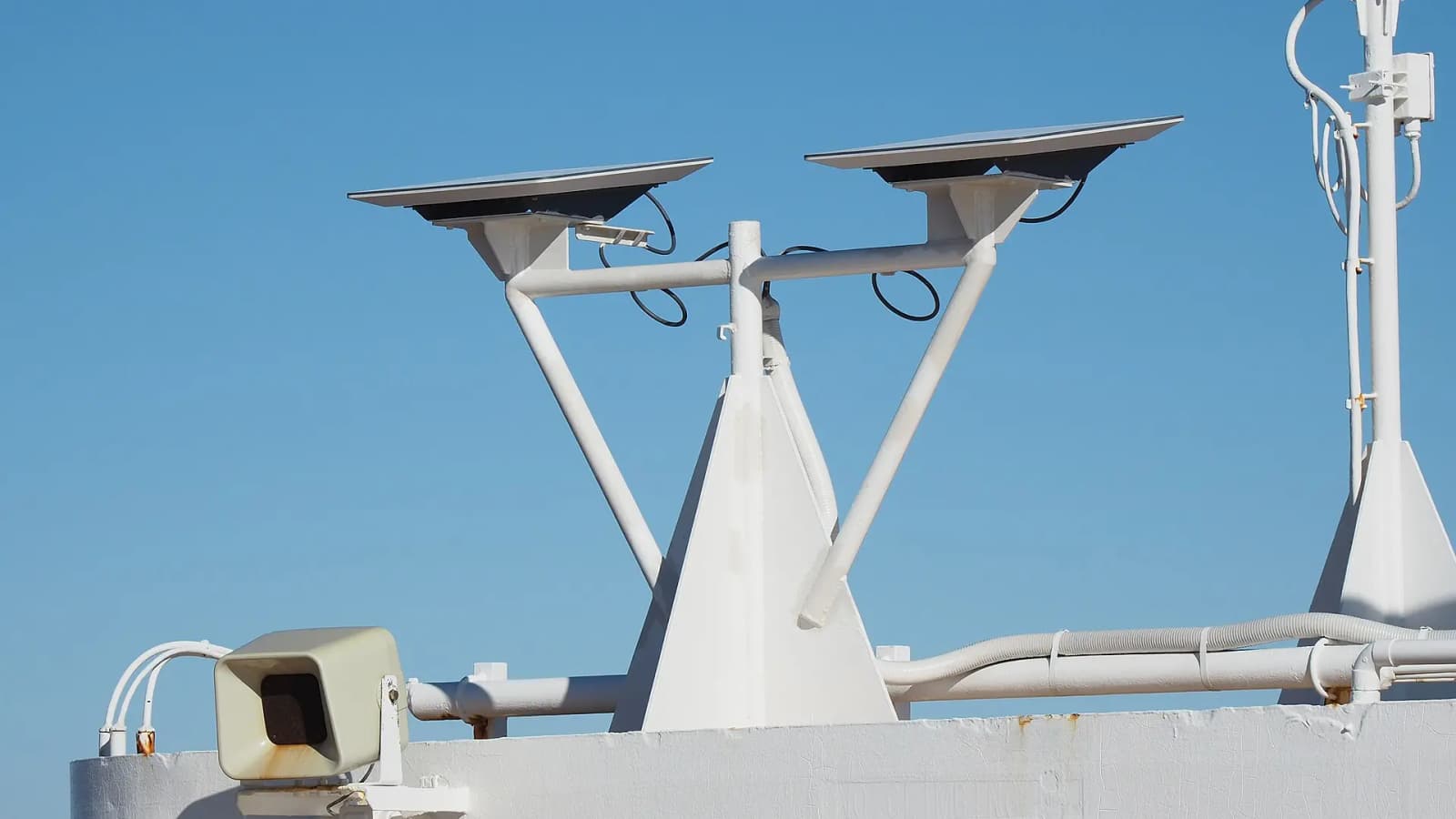
Ukrainian adviser claims Russia is expanding Starlink jamming capabilities
According to Serhiy ‘Flash’ Beskrestnov, Russian forces are increasing their Starlink jamming assets around sites in occupied Crimea and along the front. The claims describe local protection, not an ability to disrupt the network across the whole of Ukraine.
 English