
FinlandDefence
Finland selects RGW 110 anti-tank launchers for around €84.5 million
The German disposable anti-tank launchers are to replace APILAS in the Finnish Army. Deliveries and training are expected to begin in 2027, but the number of weapons has not been disclosed.
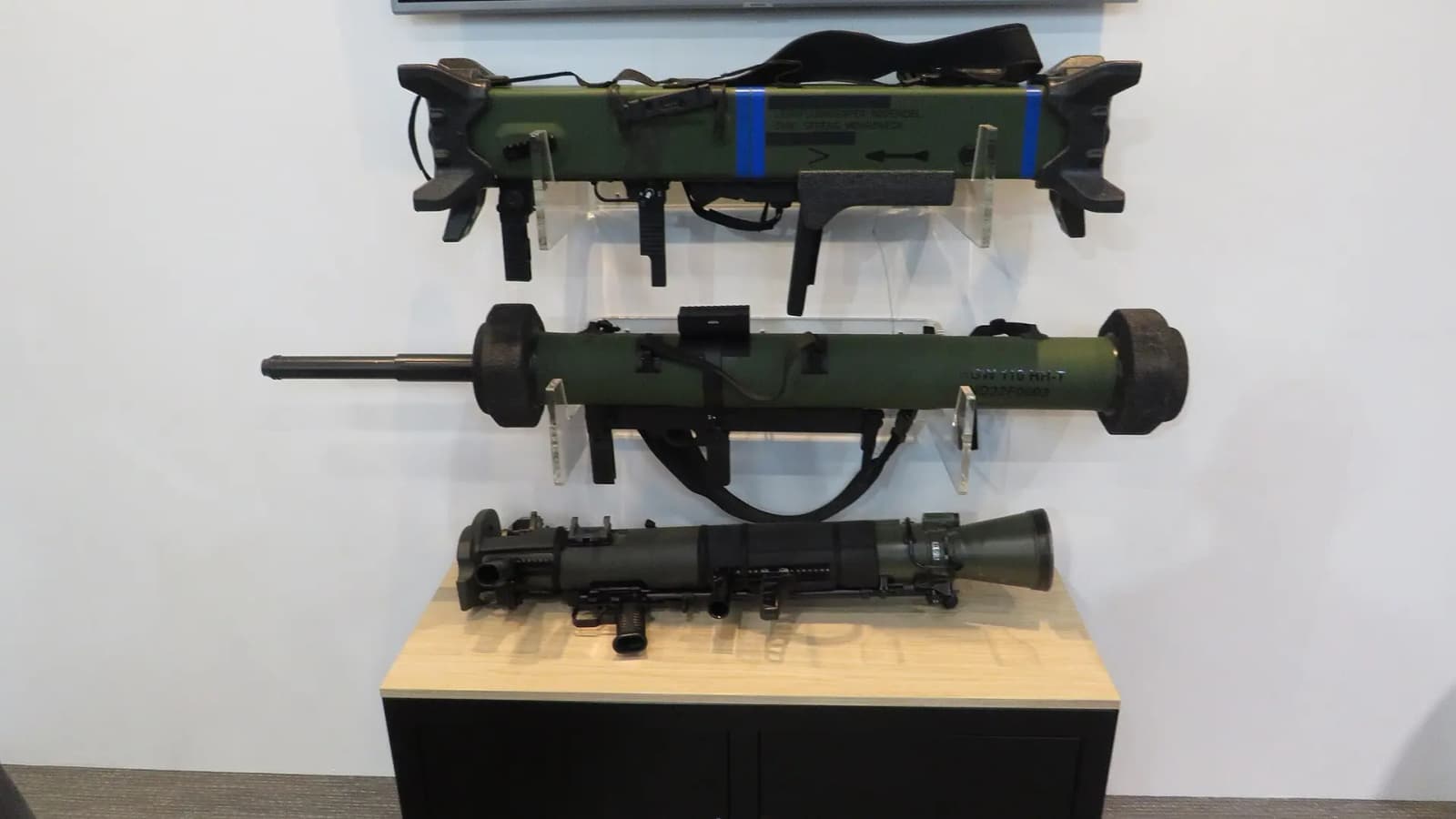
Finland’s defence minister has authorised the armed forces to acquire RGW 110 disposable anti-tank launchers from Germany’s Dynamit Nobel Defence. The decision was announced on 28 October 2026, Defence24 reports, citing the Finnish Ministry of Defence. The stated value is around €84.5 million excluding VAT.
Defence Blog and Defence Industry Europe also report the acquisition, both citing the Finnish authorities. Flank has not found independent confirmation of the contractual details beyond these reports, which are based on official announcements. Further details may be added when new information is released.
Deliveries and training are due to begin in 2027
According to the three publications, deliveries of RGW 110 launchers and training equipment are due to begin in 2027. Training is also scheduled to start that year.
The new launchers will replace the APILAS weapons used by the Finnish Army. Defence Industry Europe quotes Colonel Ari Mure, Inspector of Infantry at Finnish Army Command. He said the RGW 110 is intended to destroy tanks at close range and will take on the role of a heavy disposable anti-tank weapon in units.
The stated aim is to improve the ability to counter armoured vehicles at close range. This does not mean that the outcome has already been achieved: the start of deliveries and training does not guarantee that all intended units will be ready to use the weapons.
Defeating reactive armour is among the requirements
According to Defence Industry Europe, citing the Finnish Defence Forces, armour penetration and ease of use were the main considerations in the selection. The warhead had to defeat explosive reactive armour while retaining sufficient destructive effect against the protected target.
The publication also reports that the Finnish military compared available weapon systems, tested the candidate that met the criteria against a target with the required protection, and then worked with the manufacturer to further develop the warhead. According to the official information cited, the requirements were based on Finnish research and testing, as well as observations from the war in Ukraine.
This outlines the rationale for the selection but does not allow a quantitative comparison with APILAS. Without detailed technical specifications and test results, it is not possible to establish how effective the configuration ordered is against specific tanks and types of protection.
Quantity and delivery deadline remain unknown
Defence Blog notes that the Finnish Defence Forces have not disclosed the number of launchers ordered. According to Defence Industry Europe, the final delivery deadline has not been announced either. The exact configuration and the breakdown of the value between operational weapons, training equipment and training are not known.
The figure of around €84.5 million therefore does not, on its own, allow a unit price to be calculated or an assessment of how many units will be re-equipped. The next meaningful indicators are the quantities, the timetable for replacing APILAS and the readiness of trained units, rather than simply the first delivery.
Sources
1 independent report2 secondary reports
Independent reporting
Defence24 · defence24.pl
Finlandia wymienia przeciwpancerną pięść. Zwyciężył klasykVerified media
Secondary reporting
Defence Blog · defence-blog.com
Finland buys German RGW110 anti-tank weaponOtherDefence Industry Europe · defence-industry.eu
Finland orders RGW 110 anti-tank weapons to replace APILAS, with deliveries from 2027Other
Linked to this story
 Finland
Related topics
FinlandDrones
Finnish Defence Forces and Varjo test virtual counter-drone training
The simulator combines a mixed-reality headset with a replica shotgun to practise responding to approaching drones. The project has also been confirmed in a report by Yle, but the training’s effectiveness has yet to be independently assessed.
 English