
BrusselsDefence
EU asks Europeans to be ready for the first 72 hours of a crisis
New population preparedness guidelines cover supplies and grab bags, preparedness in schools and accessible preparation for people with disabilities. The Commission also proposes an EU Preparedness Day on 23 October.
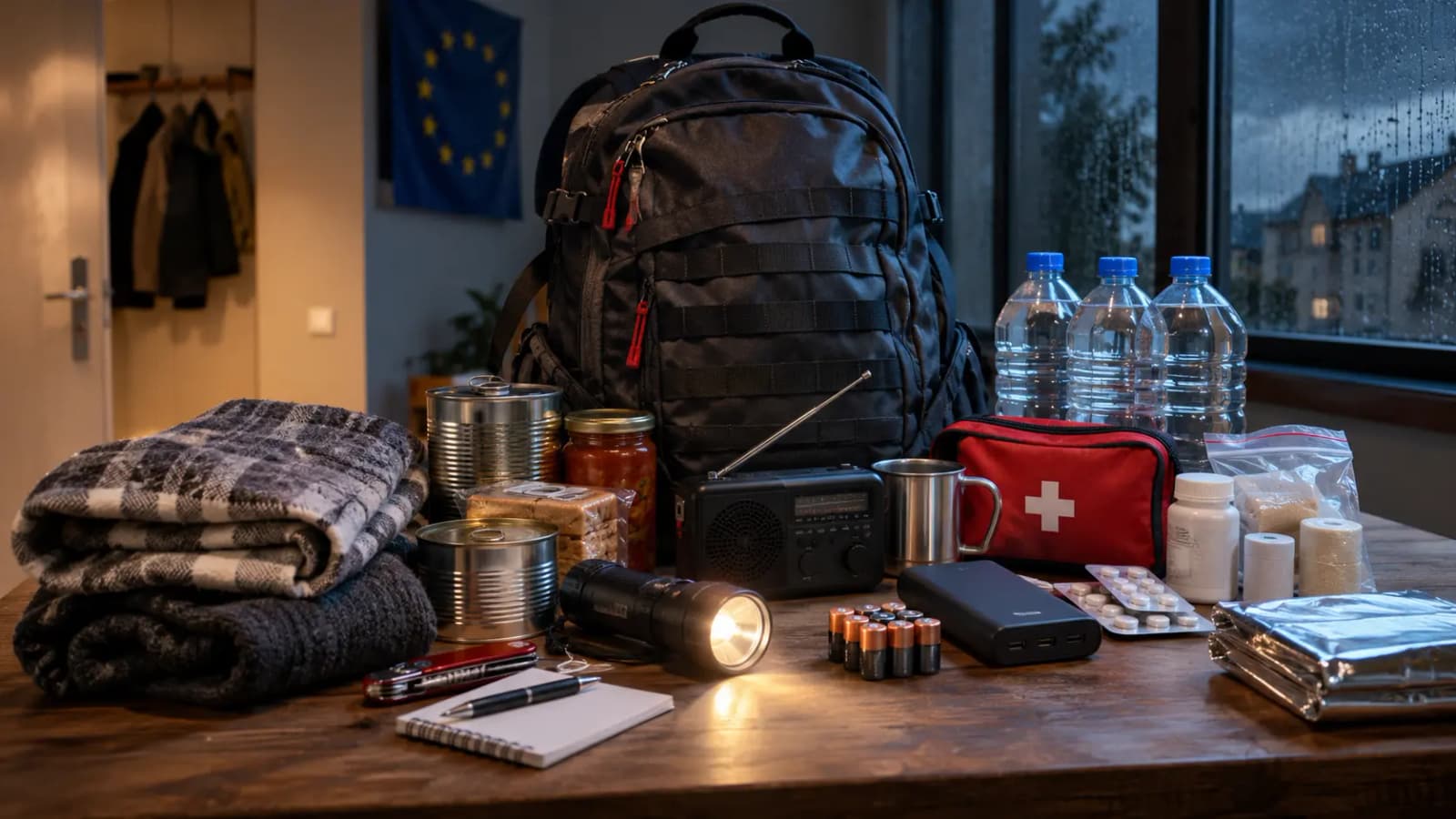
The European Commission on 3 November presented guidelines saying people should be able to meet their essential needs on their own for the first 72 hours of an emergency, while public aid is mobilised. The Population Preparedness Guidelines were presented by Hadja Lahbib, Commissioner for Equality, Preparedness and Crisis Management, at the European Civil Protection Forum in Brussels. They are not binding.
The guidelines cover four areas. The first is 72-hour self-sufficiency, including emergency supplies and grab bags. The second is building preparedness into early childhood and primary education, with training for teachers and without causing fear among children. The third is making preparedness accessible to people with disabilities and involving them in planning. The fourth is helping authorities give timely, accessible and reliable information on risks before, during and after a crisis.
"When disaster strikes, the first hours can make all the difference. Every European should know what to do, how to protect their family and how to help others," Lahbib said.
The Commission proposes an annual EU Preparedness Day on 23 October, with the first edition planned for October 2027. The date marks the creation of the EU Civil Protection Mechanism in 2001. An annual preparedness event was among the recommendations of the European Citizens' Panel on Preparedness. The Commission will seek a joint declaration with the European Parliament, the Council, the European Economic and Social Committee and the Committee of the Regions.
The Commission also adopted a recommendation for national contact points under the Civil Protection Mechanism to keep working at all times, including during serious disruption, with operational continuity plans and regular stress tests. The measures are part of the Preparedness Union Strategy of March 2025, built on the report by former Finnish President Sauli Niinistö.
What it means
In Flank's assessment, the guidelines harmonise the message to the public more than they introduce a new policy. The 72-hour self-sufficiency goal was already set in the March 2025 strategy, the document does not bind member states, and the Commission's announcement does not mention funding. The effect will depend on national and local authorities – whether they turn the recommendations into concrete checklists, school curricula and drills.
For Bulgaria, the most concrete area is risk communication. The BG-ALERT system already sends warnings to mobile phones, but the guidelines ask for more than an alert during a crisis: accessible and reliable information before it, including what to keep at home and where to seek help. That is a task for civil protection and municipalities, not only for households.
The risk is that a visible share of the responsibility shifts to individuals. Older people, people on low incomes and those living alone will find it hard to stock three days of supplies without support. The guidelines give specific attention to people with disabilities, but the Commission's announcement sets out no measures for other vulnerable groups. The Preparedness Day still needs the backing of Parliament and the Council.
Sources
2 primary or official1 secondary report
Primary / Official
European Commission · civil-protection-humanitarian-aid.ec.europa.eu
Commission takes new steps to prepare Europeans for growing crisis risksPrimary sourceEuropean UnionEuropean Commission · civil-protection-humanitarian-aid.ec.europa.eu
Population Preparedness GuidelinesEuropean Union
Secondary reporting
Bulgaria ON AIR · bgonair.bg
ЕС предупреди европейците: Запасете се за 72 часа и подгответе аварийна раница при кризаOther
Linked to this story
BrusselsDefence
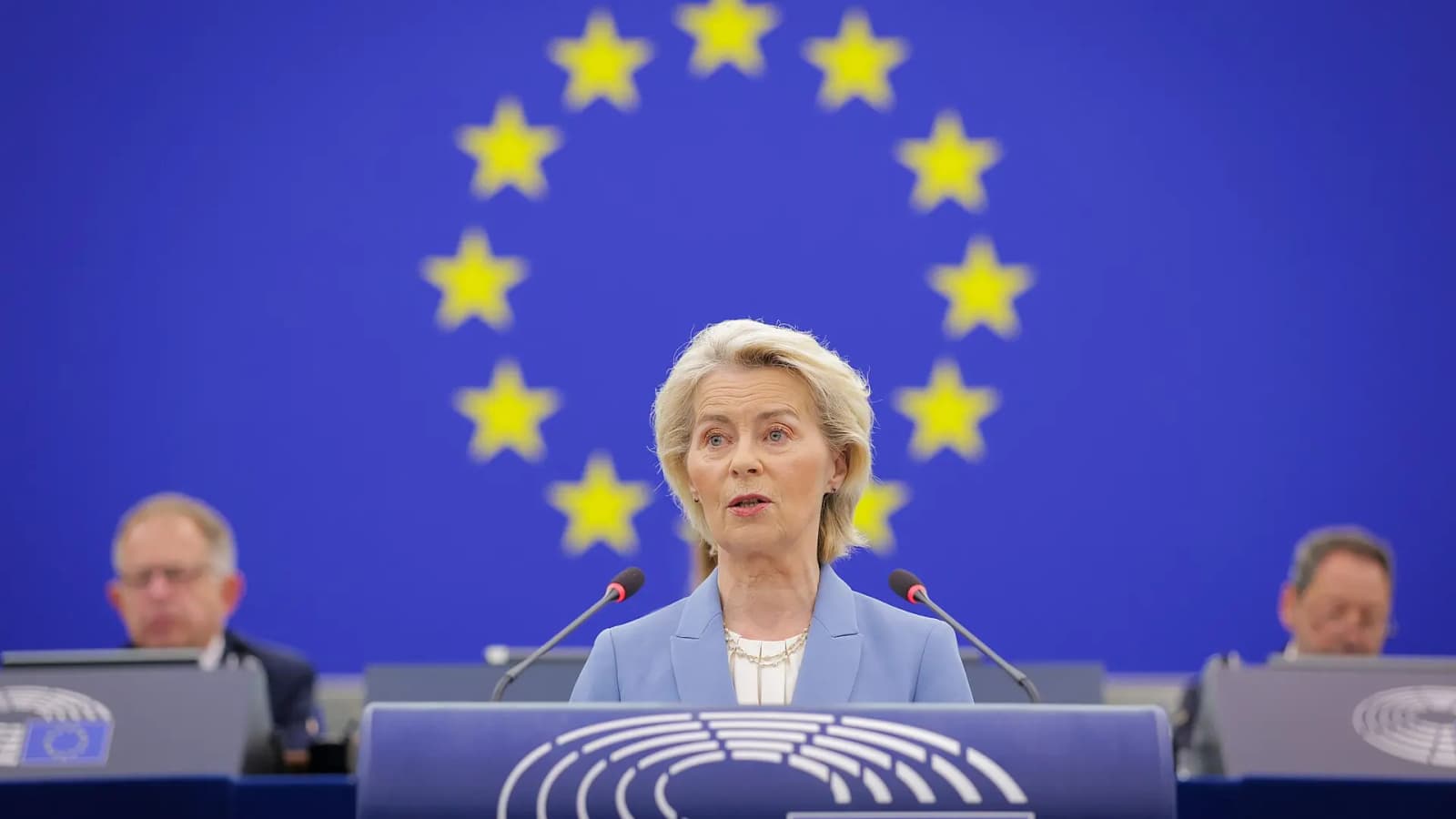
Commission admits EU’s 2030 defence readiness objective is at risk
In its 2027 work programme the Commission writes that despite unprecedented decisions and funding the objective is at risk. It plans a new European instrument for strategic enablers, from transport and air-to-air refuelling to space and cyber defence.
ФинландияRussia–Ukraine War
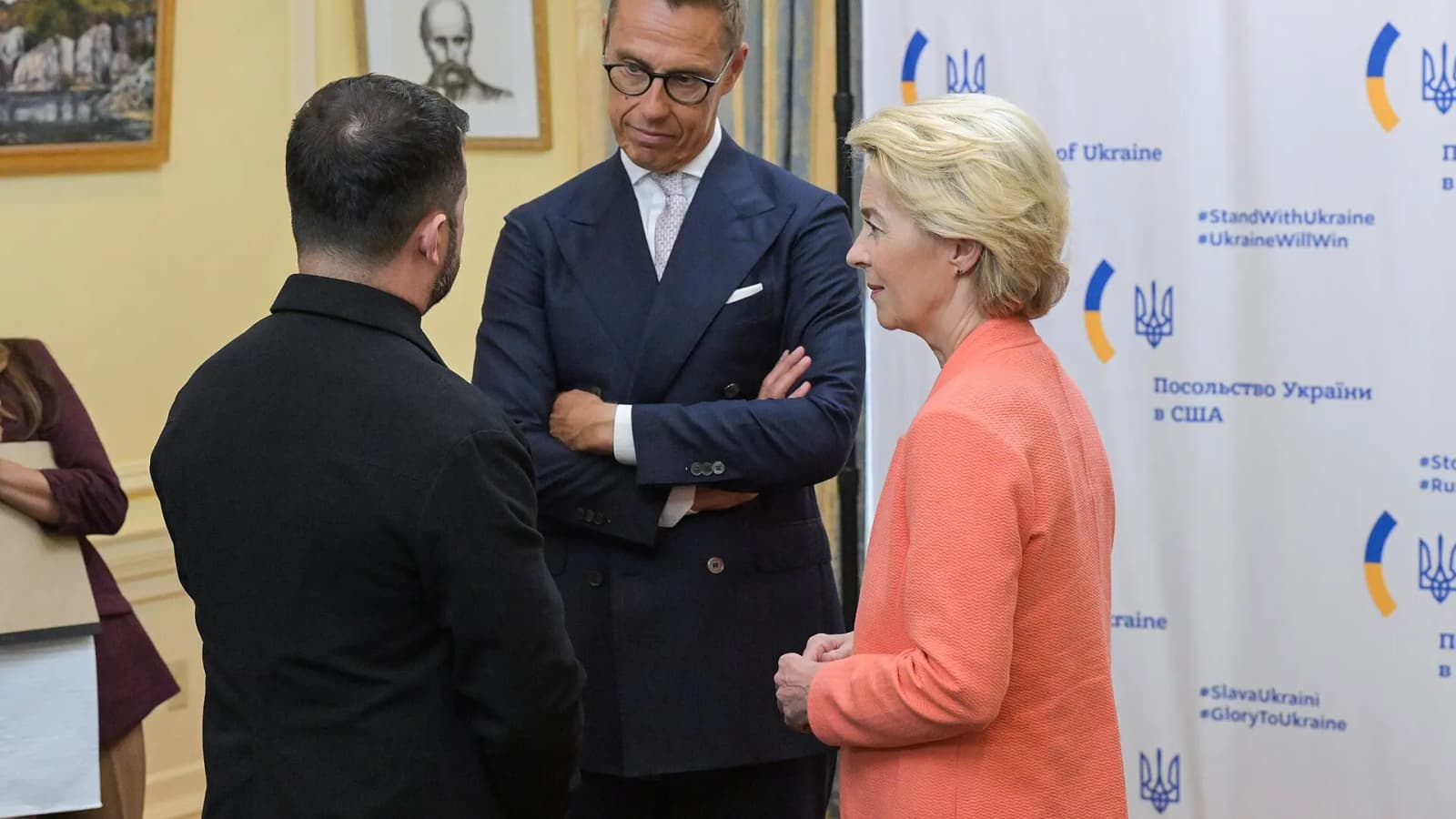
Finnish President Alexander Stubb presents Putin call as part of Baltic deterrence
According to Defence24, the Finnish president explains the contact with Moscow in terms of the need for strategic stability and reaffirming support for Ukraine. Yle reports that Norwegian Prime Minister Jonas Gahr Støre also took part in the call.

RussiaRussia–Ukraine War
 Russia
Ukrainian authorities accuse Yulia Mendel of treason; she denies the accusation
Volodymyr Zelenskyy's former press secretary has been accused over public statements that Ukrainian security services say serve Russia's interests. The procedural details and any evidence beyond those statements remain unclear.

Petropavlivska Borshchahivka, UkraineOSINT
„Matryoshka“ campaign uses fake reports of ‘secret prisons’ in Ukraine
According to The Insider, more than 10 videos and posts impersonate international media outlets and organisations to spread allegations against Ukraine. The campaign and its attribution to the Russian network have not been independently confirmed.
 English