
Izmir, TurkeyMilitary Infrastructure
NATO launches STARLIFT for more reliable military satellite launches
Ten allies and South Korea will fund access to commercial rocket launches. The initiative also provides for trials of emergency satellite launches into orbit.
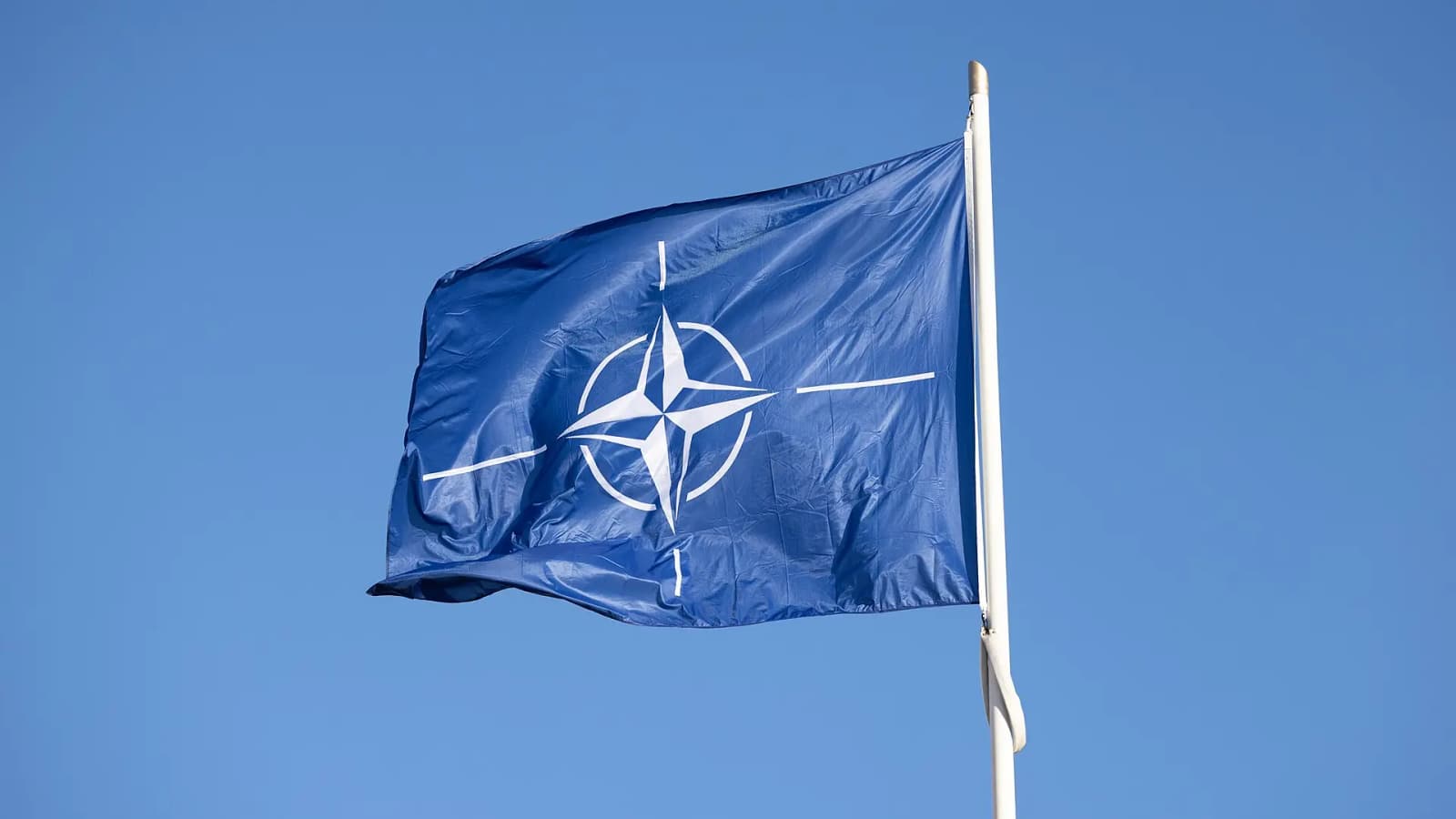
NATO officially launched its STARLIFT space initiative on 17 November 2026 at the NATO EDGE 26 conference in Izmir, Turkey. According to Haber.aero, STARLIFT aims to make access to space more resilient, more responsive to requirements and more cost-effective, while making it easier for military users to secure slots on commercial rocket launches.
Commercial rocket launch slots and emergency launch trials
Under development since 2024, STARLIFT will allow military users to book satellite launches on commercial rockets. The initiative will use a network of spaceports in NATO countries and South Korea. Requests are to be pooled and military requirements coordinated to facilitate access to commercial operators' services.
According to Turkish outlet Haber.aero, the initiative will also serve as a platform for developing and testing concepts for responsive space operations, including emergency satellite launches. Exercises and trials are intended to improve launch infrastructure and logistics. The work will also include coordinating air and maritime traffic to ensure safety during both routine launches and those conducted at short notice.
In Flank's assessment, the key element of STARLIFT is the joint organisation of access to launches, rather than the development of NATO's own rocket. However, financial commitments and reserved slots do not guarantee a launch in a crisis. The practical outcome will depend on whether the initiative shortens the time between a military request and the placement of the required satellite in orbit.
Ten allies and South Korea commit to funding
Eleven countries have committed to funding STARLIFT: Belgium, Canada, Finland, Germany, Italy, the Netherlands, Norway, Sweden, Turkey, the United Kingdom and South Korea. Funding will be provided through the NATO Support and Procurement Agency (NSPA). The agreement was signed on 29 October 2026 at a meeting of NATO's national armaments directors.
Bulgaria is not among the eleven announced funding countries. The list itself does not determine what access other allies will have to the services.
Budget undisclosed as four initial participants are absent from the list
According to US specialist defence publication Breaking Defense, NATO's announcement specifies neither STARLIFT's total budget nor the size of national contributions.
The publication also notes that France, Hungary, Luxembourg and the United States, named as initial participants, are absent from the new list of countries with funding commitments. The reason remains unclear. Their absence from the announcement does not in itself prove that they have withdrawn from the initiative or that there is a political disagreement.
This is a developing story and further information may be added.
Why This Matters for Bulgaria
Bulgaria is not among the eleven announced countries with commitments to fund STARLIFT. This list does not in itself determine what access Bulgarian military users will have to the services.
Sources
2 independent reports1 secondary report
Independent reporting
Armymedia.bg · armymedia.bg
НАТО стартира в Измир многонационалната космическа инициатива „Старлифт“News agencyBreaking Defense · breakingdefense.com
NATO kicks off 11-nation Starlift satellite launch programVerified media
Secondary reporting
Haber.aero · haber.aero
NATO’nun Türkiye’nin de yer aldığı uzay girişimi başlatıldıOther
Linked to this story
 Türkiye
 NATO
Related topics
TürkiyeGeopolitics
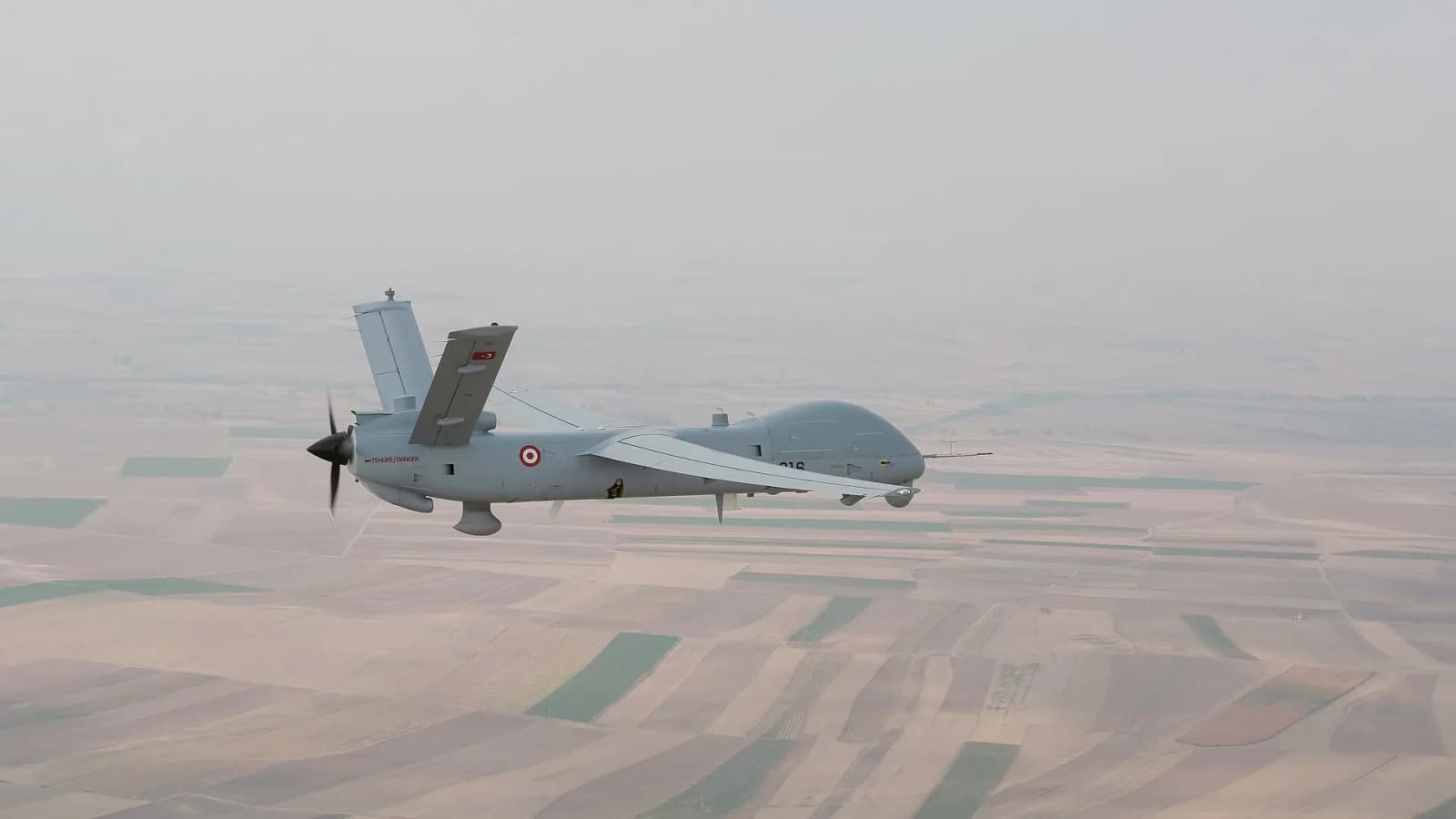
Erdoğan points to opportunities for drone cooperation with South Korea
The two outlets attribute to the Turkish president a call for broader defence cooperation with Seoul, including on the PD170 engine. The dating of the reports remains unexplained, and South Korean interest has not been independently confirmed.

RussiaRussia–Ukraine War
 Russia
Zelensky calls for European missiles for retaliatory strikes on Russia
The Ukrainian president said Moscow receives dozens of ballistic missiles a month from North Korea. His call for European supplies came amid talks with the US and European partners on ending the war.

Izmir, TürkiyeCybersecurity
OpenAI to provide NATO with cyber defence solutions and investigation tools
Through Daybreak, the company offers tools to check software, investigate suspicious activity and test fixes. The scope of the cooperation and the results of using the tools have yet to be clarified.
 English