
UkraineRussia–Ukraine War
 Ukraine
European Commission pays Ukraine €1.71 billion for unmanned systems, ammunition and air defence
The eighth tranche under the defence component of the Ukraine Support Loan will fund purchases from Ukrainian and European manufacturers. Around 40% of the sum is earmarked for contracts with EU-based companies.
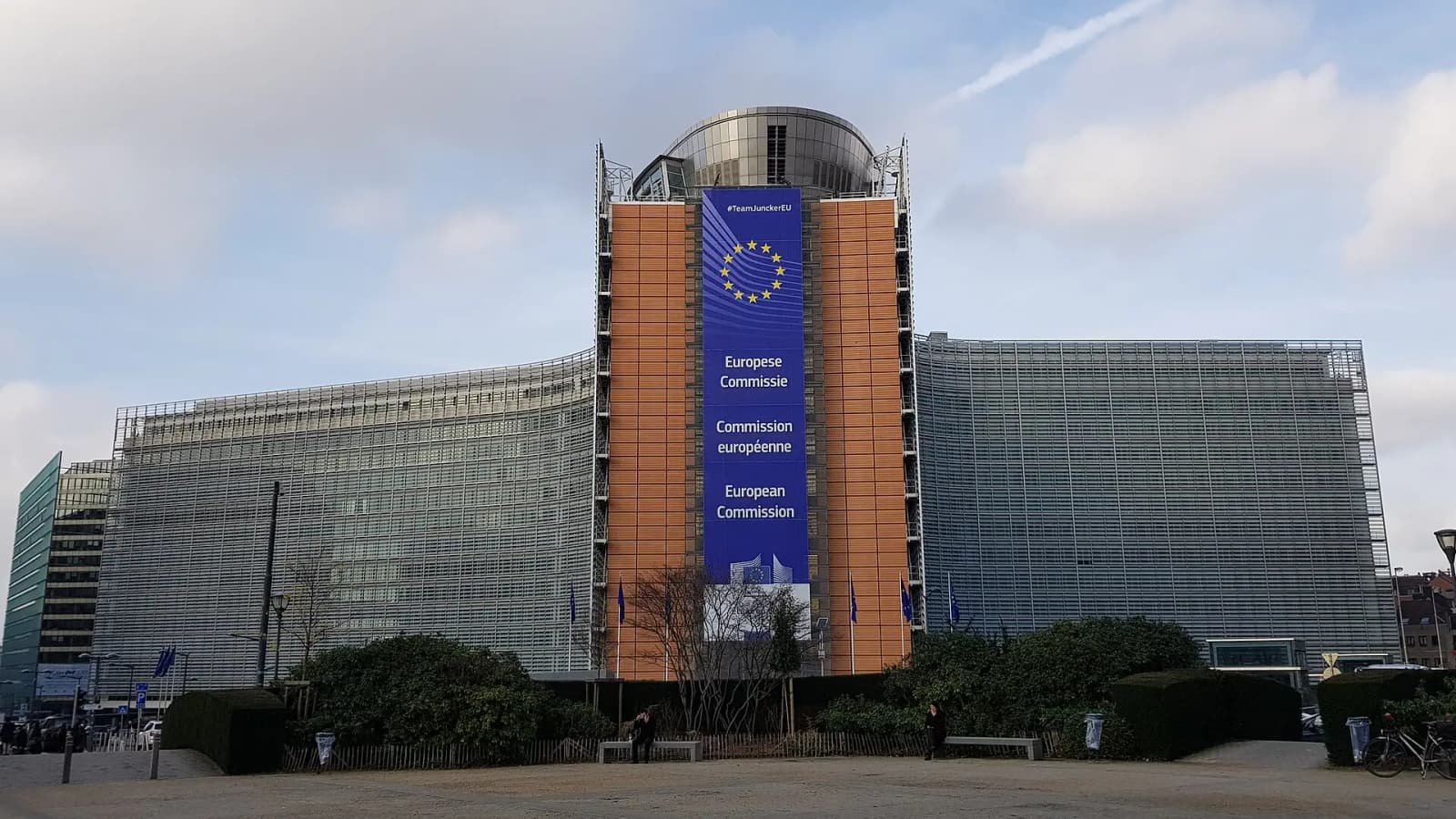
The European Commission paid Ukraine €1.71 billion on 16 November 2026 for unmanned systems, ammunition and air defence systems, including early-warning radars and missiles. Ukraine's state news agency Ukrinform reported this, citing a Commission statement.
Around €684 million for contracts with EU-based manufacturers
The equipment will be purchased from Ukrainian and European manufacturers. According to Ukrinform, around 40% of the payment will be used to finance contracts with companies established in the EU. Based on the announced size of the tranche, this amounts to approximately €684 million. That figure is a calculation of this share, not a separately announced budget.
The funding combines support for Ukraine's immediate military needs with orders for the Ukrainian and European defence industries. The Commission does not identify the manufacturers or specific contracts. No involvement by Bulgarian companies is mentioned either.
Eighth tranche under a programme worth up to €90 billion
The payment is the eighth under the defence component of the Ukraine Support Loan programme, which has a total value of up to €90 billion. It brings the total allocated so far under the defence component to €18.1 billion, the European Commission reports.
The Commission says €23.6 billion remains available to support Ukraine until the end of 2026. This sum covers more than military purchases: it includes around €19.2 billion under the Ukraine Support Loan, of which €10.2 billion is for defence-industrial capacity and €9 billion for budget support.
Procurement categories announced, not deliveries
The statement lists procurement categories, but no models, quantities or delivery schedules. Early-warning radars and missiles are distinct elements of air defence. The intended role of the unmanned systems cannot be specified without information on their types.
In Flank's assessment, the military impact of the tranche will depend on how quickly the funding translates into deliveries of usable equipment. The disbursement alone does not mean the systems have already been manufactured, received by Ukraine or put into combat use.
Why This Matters for Bulgaria
The link to Bulgaria is through the planned financing of contracts with manufacturers established in the EU. No involvement by Bulgarian companies is mentioned, so no specific orders for the Bulgarian defence industry can be identified.
Sources
1 secondary report
Secondary reporting
Ukrinform · ukrinform.net
EU allocates EUR 1.71B to Ukraine for drones, ammunition, air defense systemsNews agency
Linked to this story
 Russia
Related topics
UkraineRussia–Ukraine War
European Commission announces €4.36 billion transfer to Ukraine, including €658 million for defence
Most of the payment is intended to support the budget and basic public services. The defence component will fund procurement of unmanned aerial vehicles, missiles, radars, electronic warfare equipment and air defence ammunition.
BrusselsRussia–Ukraine War
European Commission proposes €45 billion for Ukraine in 2027
Of the total, €31.7 billion is earmarked for defence industrial capacity. According to Euronews, the EU intends to accelerate disbursement of the loan to Ukraine by concentrating the funding for 2027 in the first half of the year.

BulgariaRussia–Ukraine War
Bulgaria’s European Peace Facility contribution will not fund new lethal weapons for Ukraine
According to BTA, the government has approved a position that Bulgaria’s contribution to the European Peace Facility will not fund purchases of new lethal weapons. Constructive abstention is not a veto on a joint European decision.

HungaryDefence Industry
 Hungary
 plans to use €5.4 billion loan for defence by 2030
Around 15% of the SAFE funding could go towards defence spending in a broader sense, Hungary’s defence minister said. The plan is due to be submitted to the Council of the EU for approval.
 English