
RussiaRussia–Ukraine War
 Russia
Ryabkov accuses NATO and EU of preparing for war with Russia
Russia’s deputy foreign minister portrayed aid to Ukraine, defence-industrial cooperation and NATO exercises as a combined threat. At the same time, he said Moscow had no intention of attacking Western countries.

Russian Deputy Foreign Minister Sergei Ryabkov accused NATO and the EU of effectively directing the conflict in Ukraine and preparing for war against Russia. He made the remarks on 9 November 2026 in a video address to a discussion on the militarisation of Europe held in Vienna under the auspices of the Organization for Security and Co-operation in Europe (OSCE), Russia’s state news agency TASS reported.
Ryabkov accuses the West of involvement in command and preparations for sabotage
Ryabkov said Western countries were not only supplying weapons and military equipment to Kyiv but also taking part in command on the ground, target designation and intelligence support. He also accused them of involvement in preparations for sabotage on Russian territory. These are allegations by the Russian representative, not facts about NATO’s and the EU’s roles established by his statement.
In the same address, the diplomat pointed to what he described as expanding cooperation between the European and Ukrainian defence industries. He listed missile technologies, long-range precision weapons, unmanned and autonomous systems, and artificial intelligence as priorities. Ryabkov also said parts of Ukraine’s defence industry had been relocated to EU countries, without naming specific companies, production volumes or timeframes.
Arms supplies, intelligence support and operational command are distinct military functions. The presence of any one of them does not in itself establish who selects targets and who makes the decisions on a specific strike.
Ryabkov links NATO exercises and Arctic activity to preparations for strikes
According to Ryabkov, at least 120 exercises had been held under NATO auspices, while more than 700 national manoeuvres had taken place in alliance countries. He linked military unpredictability to the severing of direct contacts between the Russian military and those of NATO countries, as well as to exercises whose scenarios he described as anti-Russian.
On the Arctic, the diplomat said the alliance was increasing its military capabilities and activity. He cited Arctic Sentry and Exercise Neptune Strike 26, claiming they involved preparations for strikes on Russian territory.
The number of exercises alone does not establish preparations for an attack. Such an assessment requires information on the forces involved, their deployment, the scale, duration and scenarios. The figures and names cited by Ryabkov do not provide that picture.
Ryabkov denies any intention to attack but warns of a short war
Ryabkov said Russia had no intention, plans or reasons to attack Western countries. He added that Moscow was ready if Europe started a war, and that such a war would be very short, TASS reported. These remarks do not imply a specific military scenario or type of weapon.
In Flank’s assessment, the address is primarily significant in diplomatic terms: Moscow is portraying support for Ukraine, industrial cooperation and allied exercises as elements of a direct confrontation with Russia. The remarks announced no specific new decision on force deployments or changes to combat readiness. The fact that the discussion was held under OSCE auspices does not mean the organisation endorses these allegations.
For Bulgaria, the connection is through its membership of NATO and the EU.
Why This Matters for Bulgaria
Bulgaria is a member of NATO and the EU, the targets of Ryabkov’s accusations. The statement announces no specific military decision affecting Bulgaria.
Sources
5 secondary reports
Secondary reporting
TASS · tass.com
NATO manages Ukrainian conflict, responsible for it — Russia’s deputy foreign ministerNews agencyTASS · tass.com
Russia notes growing NATO military activity in Arctic — MFANews agency- News agency
TASS · tass.com
EU, Kiev regime rapidly intensify military cooperation — Russia’s deputy foreign ministerNews agencyTASS · tass.com
Senior diplomat comments on West’s militarization, its responsibility for Ukraine conflictNews agency
Linked to this story
 Ukraine
 NATO
Related topics
Minsk, BelarusRussia–Ukraine War
 Minsk, Belarus
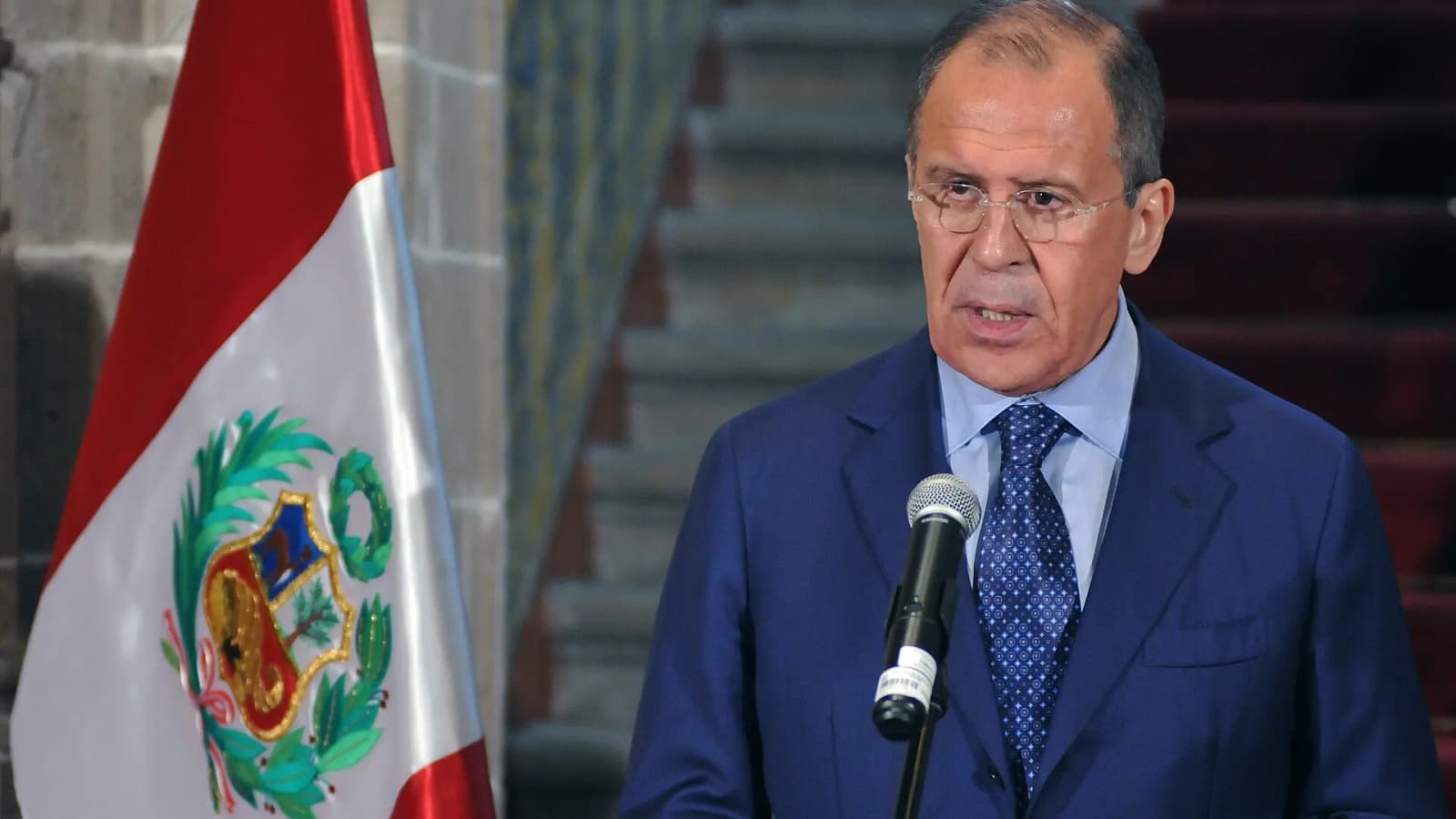
Lavrov accuses EU of militarisation and challenges calls for a ceasefire in Ukraine
Russia’s foreign minister portrayed European calls for a ceasefire as an attempt to secure a military pause for Kyiv. His accusations are not supported by independently verified evidence.
Black SeaGeopolitics
Alimov: Russia discussing safe grain shipments through Black Sea
The Russian deputy minister said Moscow was talking to Turkey and other countries, but currently saw no prospect of reviving the grain deal. This does not mean that guarantees for shipping have been agreed.
 English