
Abu Dhabi, UAEMilitary Infrastructure
Proposals attributed to Moscow envisage Finland leaving NATO
According to Bild, cited by Club Z, proposals discussed in Abu Dhabi link peace in Ukraine to restrictions on NATO and changes to Moldova’s status. It is unclear whether Vladimir Putin has approved them.

Finland would leave NATO, and no NATO military bases would be deployed in Estonia, Latvia or Lithuania. These are among the proposals attributed to Russia and discussed at talks in Abu Dhabi, according to the German newspaper Bild, as reported by Club Z. The information comes from a single source chain: Bild’s report, relayed by the Bulgarian outlet. At the time of publication, Flank had found no independent confirmation of the proposals’ content or origin.
The proposals cover NATO, Ukraine and Moldova
According to Bild, cited by Club Z, the proposals envisage Finland returning to its status before joining NATO and a halt to further enlargement of the alliance. For the three Baltic states, the reported condition is that no NATO bases be deployed.
In the same account, Club Z lists territorial concessions by Ukraine, neutrality and the demilitarisation of ports. For Moldova, the outlet reports proposals for neutrality, federalisation and the withdrawal of Russian troops from Transnistria. According to the report, the proposals also include the withdrawal of nuclear weapons and intermediate-range missiles from Belarus.
In Flank’s assessment, if the account is accurate, the negotiating framework goes beyond ending the war in Ukraine: territorial issues are linked to other countries’ alliance status, military presence and internal arrangements.
The military effect depends on the scope of the restrictions
Leaving NATO and restricting bases are different measures. The first changes a country’s alliance status. The second affects the ability to deploy and sustain forces, but without precise definitions it is impossible to establish whether it also covers rotational units, exercises, storage facilities or temporary reinforcements.
For the Black Sea region, a key question is what the “demilitarisation of ports” reported by Club Z means: whether it concerns naval forces, coastal and air defence, or specific infrastructure. Without a defined scope, its impact on maritime security and Bulgarian interests cannot be assessed. The report does not identify Bulgaria as the subject of any specific proposal.
It is unclear whether Putin has approved the proposals
Bild, cited by Club Z, states that it is unclear whether Vladimir Putin has approved the proposal described. According to the newspaper, several groups of intermediaries are operating, some of them competing with one another.
The reported proposals therefore cannot be presented either as an established Russian negotiating position or as an agreement. Distinguishing between these possibilities requires the original document, its author and status, as well as the official positions of the countries concerned.
Why This Matters for Bulgaria
For Bulgaria, the specific Black Sea issue is the scope of the reported demilitarisation of Ukrainian ports. Without clarification, its impact on maritime security and Bulgarian interests cannot be assessed. Bulgaria is not identified as the subject of any specific proposal.
Sources
1 secondary report
Secondary reporting
Club Z · clubz.bg
Срещу мир в Украйна Русия иска Финландия извън НАТО, Прибалтика - без натовски бази, Молдова - федерацияVerified media
Linked to this story
 Russia
 Ukraine
 Finland
 NATO
Related topics

Abu DhabiRussia–Ukraine War
Russia and Ukraine agree prisoner-of-war exchange in Abu Dhabi, but no ceasefire
Two days of US-mediated talks ended with an agreement to exchange prisoners. The final arrangements have yet to be settled. No ceasefire was announced, including in the Black Sea.
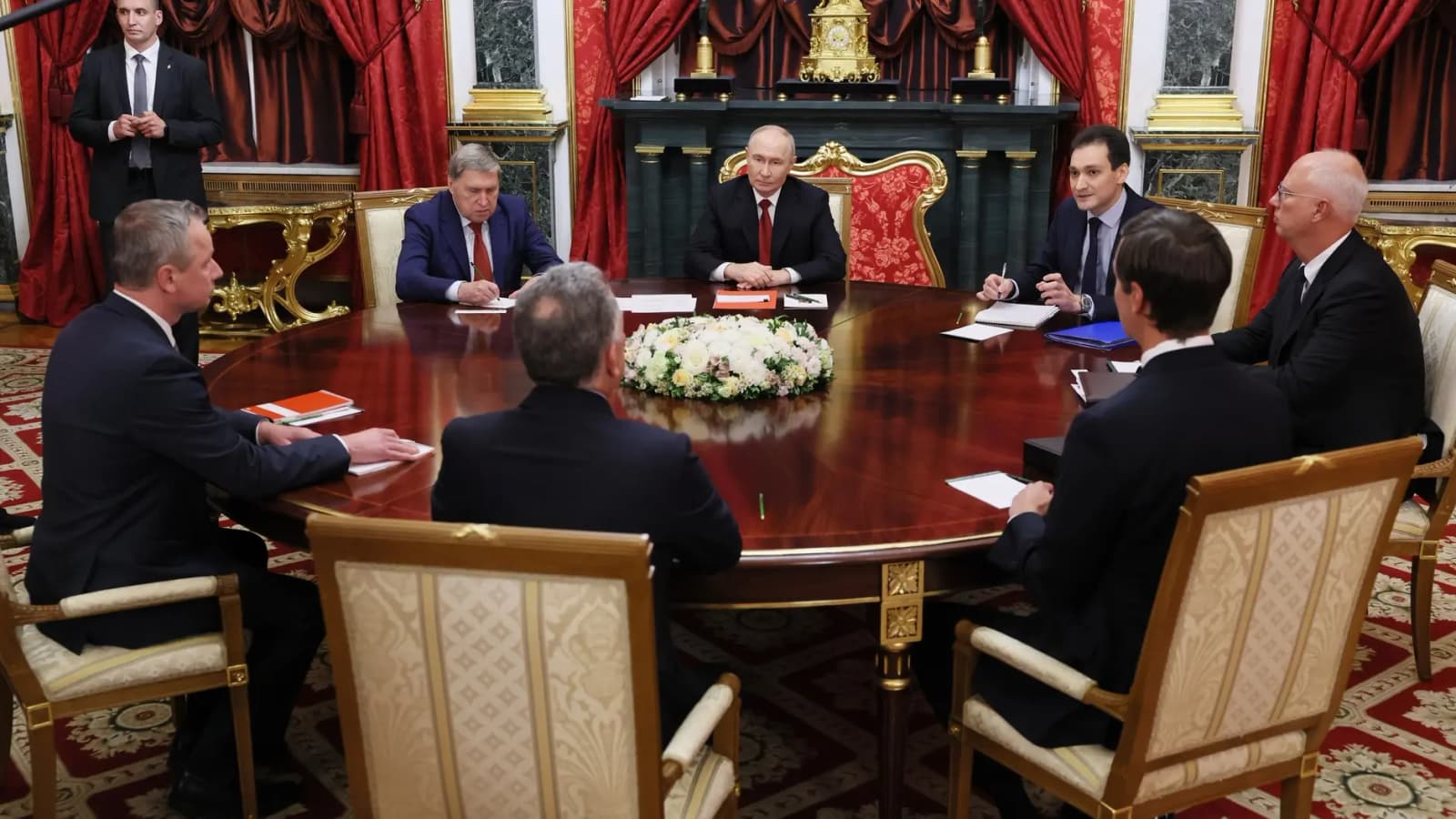
Abu Dhabi, UAERussia–Ukraine War
Witkoff announces US–Ukraine–Russia talks in Abu Dhabi on 10–11 November
The announced agenda includes Ukraine’s post-war security, de-escalation and humanitarian issues. Before the meeting, Washington plans consultations with European allies and NATO in Brussels.
Abu Dhabi, UAERussia–Ukraine War
Moscow includes military intelligence chief in delegation for Abu Dhabi talks
The Kremlin announced political, diplomatic and military representatives for talks with Ukraine and the US planned for 10 and 11 November. The agenda and negotiating mandate remain unclear.

Oslo, NorwayGeopolitics
 Oslo, Norway
Five Nordic countries begin work on joint defence agreement
Norway, Sweden, Denmark, Finland and Iceland are beginning work on an agreement to strengthen defence within NATO. Aligning the rules for moving troops and equipment across borders is among the main tasks.
 English