
BulgariaRussia–Ukraine War
Merz may block EU budget over Ukraine funding
The German chancellor is linking support for the 2028–2034 budget to a collective commitment to fund Kyiv, media reports say, citing a letter he has written. There is a significant discrepancy over Bulgaria: some reports say the country is unwilling to provide additional aid, while others say it is expected to seek an exemption from joint borrowing.
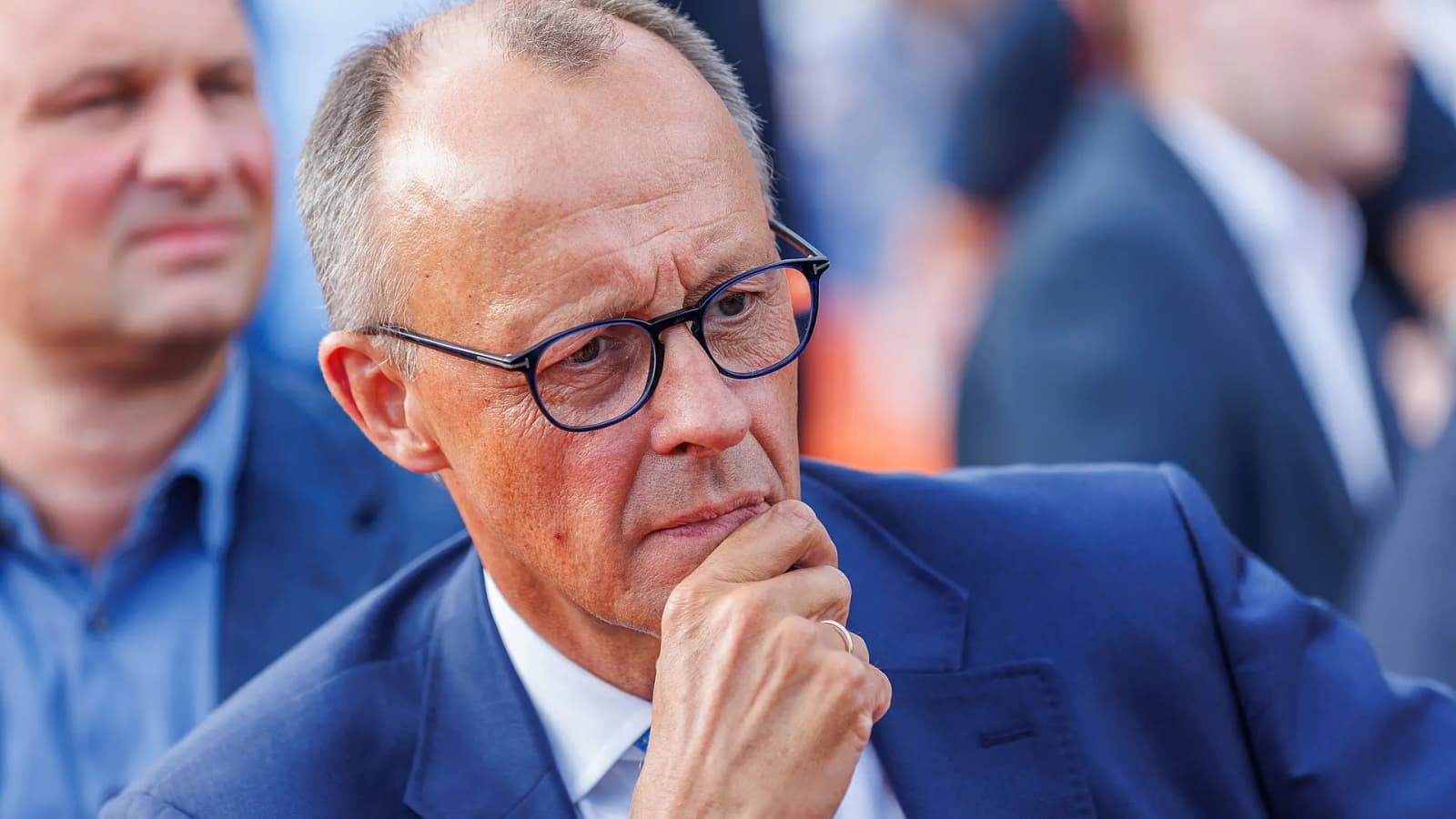
German Chancellor Friedrich Merz has made Germany’s support for the EU’s 2028–2034 budget conditional on all member states participating in funding Ukraine. This was reported on 9 November 2026 by European television news broadcaster Euronews and the Financial Times, as cited by other publications. According to the reports, the condition is set out in a letter to European Council President António Costa. Euronews explicitly says it has seen the letter.
Merz links budget to a collective commitment to Ukraine
According to Euronews, Ukraine faces a funding shortfall of €70 billion in 2027, and the EU has pledged to cover around two-thirds of that amount, or approximately €45 billion. The mechanism for providing the funds has yet to be determined. The broadcaster reports Merz’s position that a fair contribution from all countries, without exception, is a prerequisite for discussing other issues with financial implications.
The letter links the immediate shortfall to a longer-term task. According to Euronews, the chancellor wants negotiations on the next seven-year budget to secure a sustainable, multi-year financial outlook for Ukraine from 2028 onwards. The €45 billion cited for 2027 therefore does not constitute agreed funding for the entire next budget period.
Ukraine’s state news agency Ukrinform, citing the Financial Times, also reports a German government spokesperson’s position: Ukraine’s financial needs must be addressed within the next EU budget.
Reports differ on Bulgaria’s position
Meduza, an independent Russian publication operating from Latvia, cites the Financial Times as saying that Hungary, Slovakia, Bulgaria and Czechia are unwilling to provide additional financial aid to Kyiv. Ukrinform relays the same claim from the Financial Times.
Euronews, however, draws a narrower distinction. Czechia, Hungary and Slovakia are signalling that they again want to be exempted from joint borrowing to support Ukraine, Euronews reports. Bulgaria is described as being expected to follow them, rather than Sofia having already announced an official refusal.
The distinction is significant for Bulgaria’s negotiating position. Seeking an exemption from a specific financial instrument does not necessarily mean rejecting all additional aid. At the time of publication, Flank had not found an official Bulgarian position on Merz’s reported condition.
A condition has been set, but the budget has not been blocked
The full official text of the letter remains unavailable. The reports by Meduza and Ukrinform cite the Financial Times and do not constitute separate confirmations, while Euronews says it had its own access to the document. The reports describe a condition being set, not a budget that has already been blocked.
The official positions of the four countries named and the precise scope of any objections they may have remain to be clarified. This is a developing story and further information may be added.
Why This Matters for Bulgaria
For Bulgaria, the key question is whether any objection concerns joint borrowing or all additional aid to Ukraine. Reports give differing accounts, and no official Bulgarian position on Merz’s reported condition is cited. A request for an exemption from joint borrowing would not in itself mean rejecting all additional aid.
Updates
Prime Minister Radev: Bulgaria is not blocking Council decisions; four countries push back against Merz's condition
The leaders of Slovakia, the Czech Republic, Hungary and Bulgaria have pushed back against Merz’s condition, Euronews reported on 10 November. Bulgarian Prime Minister Rumen Radev said in Varna that “Bulgaria is in no way blocking the decisions at the Council level”. According to Euronews, he cites high deficit levels as grounds for exempting Bulgaria from future credit lines for Ukraine and says the country will keep supporting Ukraine by other means, such as energy supplies.
Slovak Prime Minister Robert Fico called the demand a “textbook case of blackmail” and said he could threaten a veto just as Merz had. Czech Prime Minister Andrej Babiš pointed out that the proposed EU budget already earmarks €100 billion for Ukraine, although the funds will not be available until 2028. Hungarian Prime Minister Péter Magyar said he did not consider the demand blackmail, but rejected new joint EU debt for domestic political reasons. In Berlin, Merz said that “at least four countries think differently”.
EU leaders are due to discuss the budget at an informal meeting in Dublin on 12 and 13 November.
Sources
3 independent reports1 secondary report
Independent reporting
Meduza · meduza.io
German Chancellor Merz threatens to block EU budget unless four holdouts — Hungary, Slovakia, Bulgaria, and the Czech Republic — commit to funding UkraineVerified mediaEuronews · euronews.com
No deal on Ukraine aid? Then no deal on EU budget, Merz saysVerified mediaEuronews · x.com
Euronews on X, 10 November 2026Verified media
Secondary reporting
Ukrinform · ukrinform.net
Merz threatens to block EU budget unless agreement is reached on Ukraine funding – FTNews agency
Linked to this story
 Ukraine
 Russia
Related topics
Minsk, BelarusRussia–Ukraine War
 Minsk, Belarus
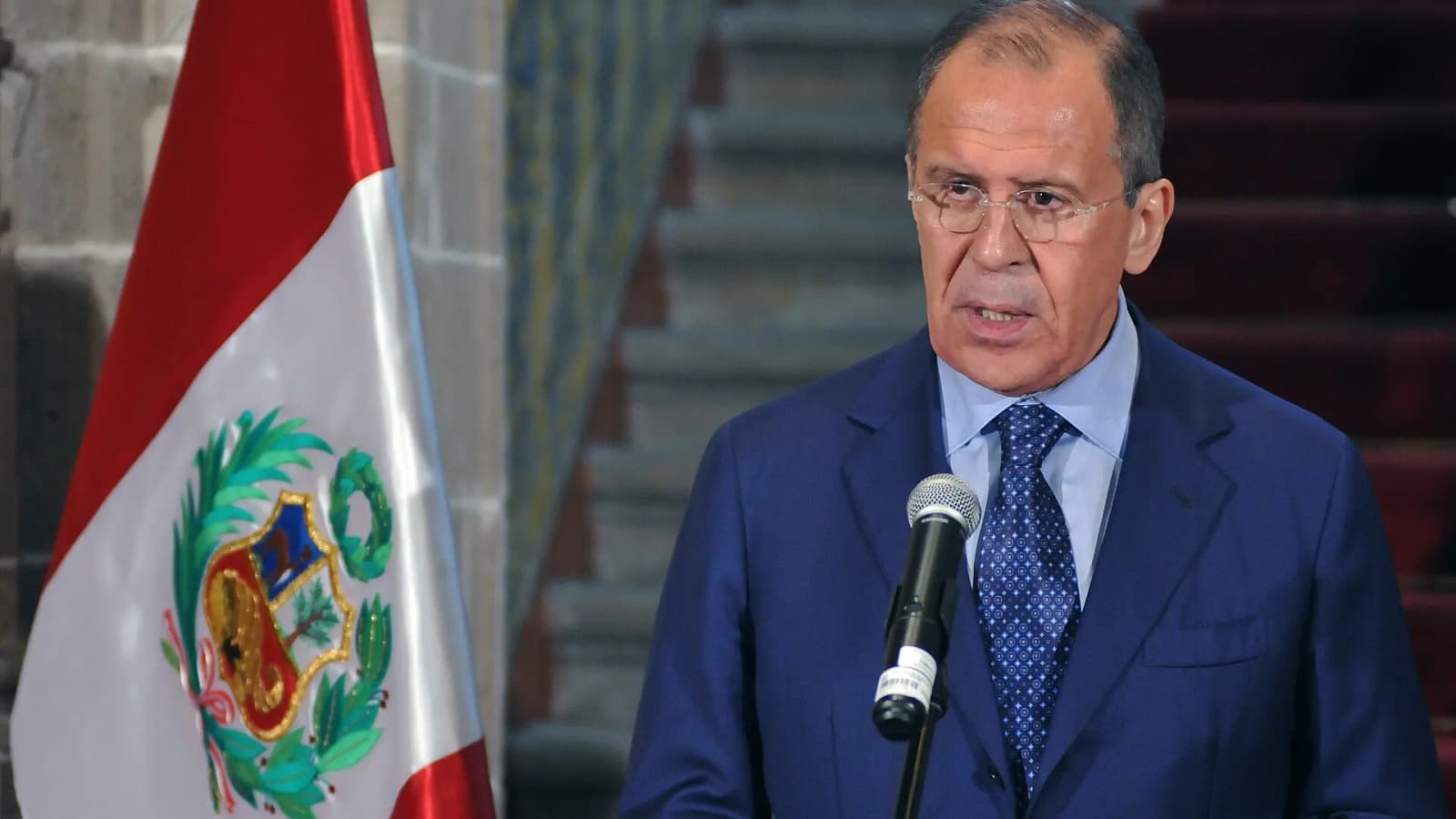
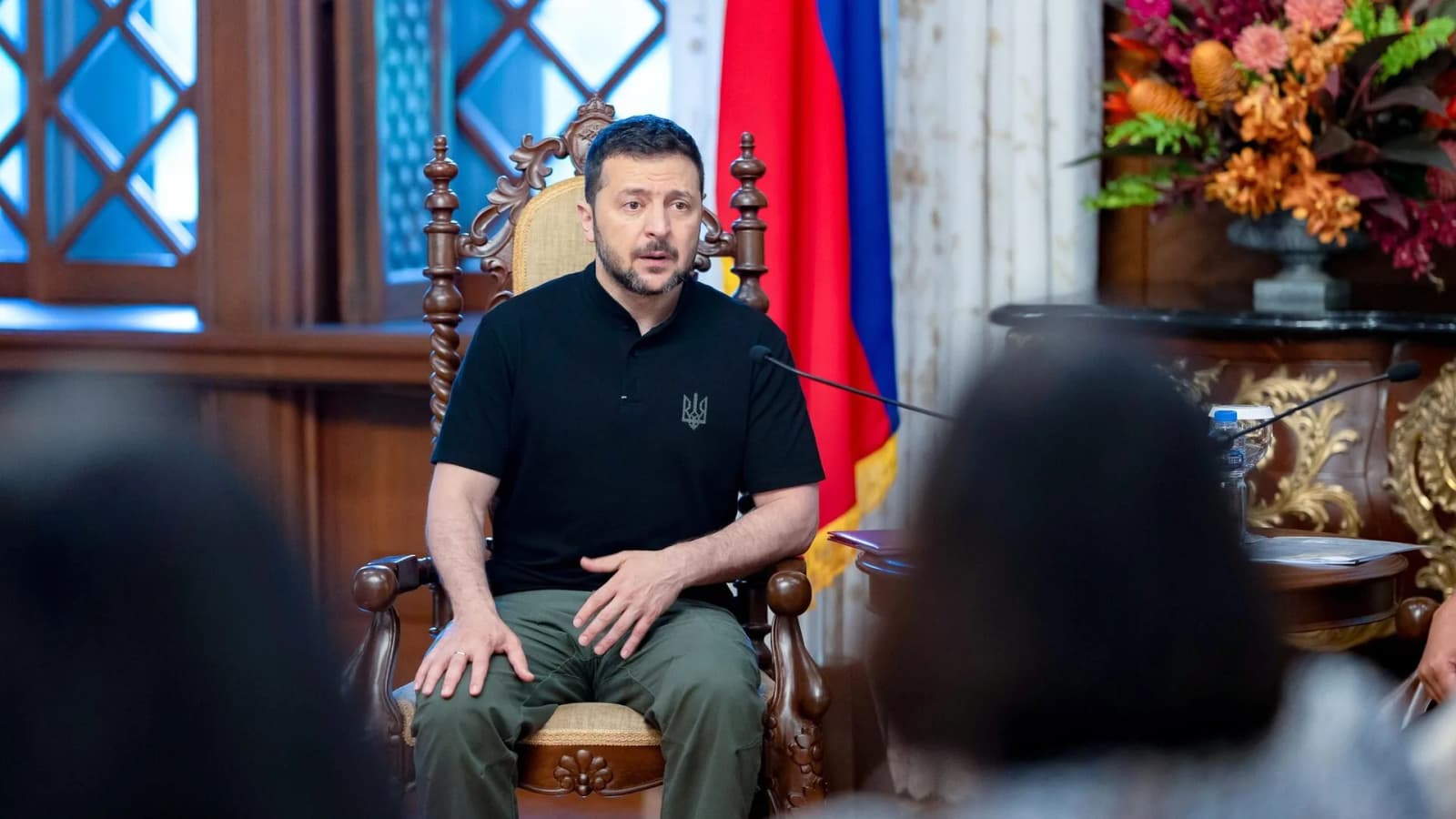
Lavrov accuses EU of militarisation and challenges calls for a ceasefire in Ukraine
Russia’s foreign minister portrayed European calls for a ceasefire as an attempt to secure a military pause for Kyiv. His accusations are not supported by independently verified evidence.
RussiaRussia–Ukraine War
Ukraine imposes sanctions on suppliers to Russia’s defence industry
The measures cover individuals and companies that Kyiv says are involved in missile production or supply Russia’s defence industry. However, the announcement of sanctions does not mean that supplies have been cut off or production slowed.

UkraineRussia–Ukraine War
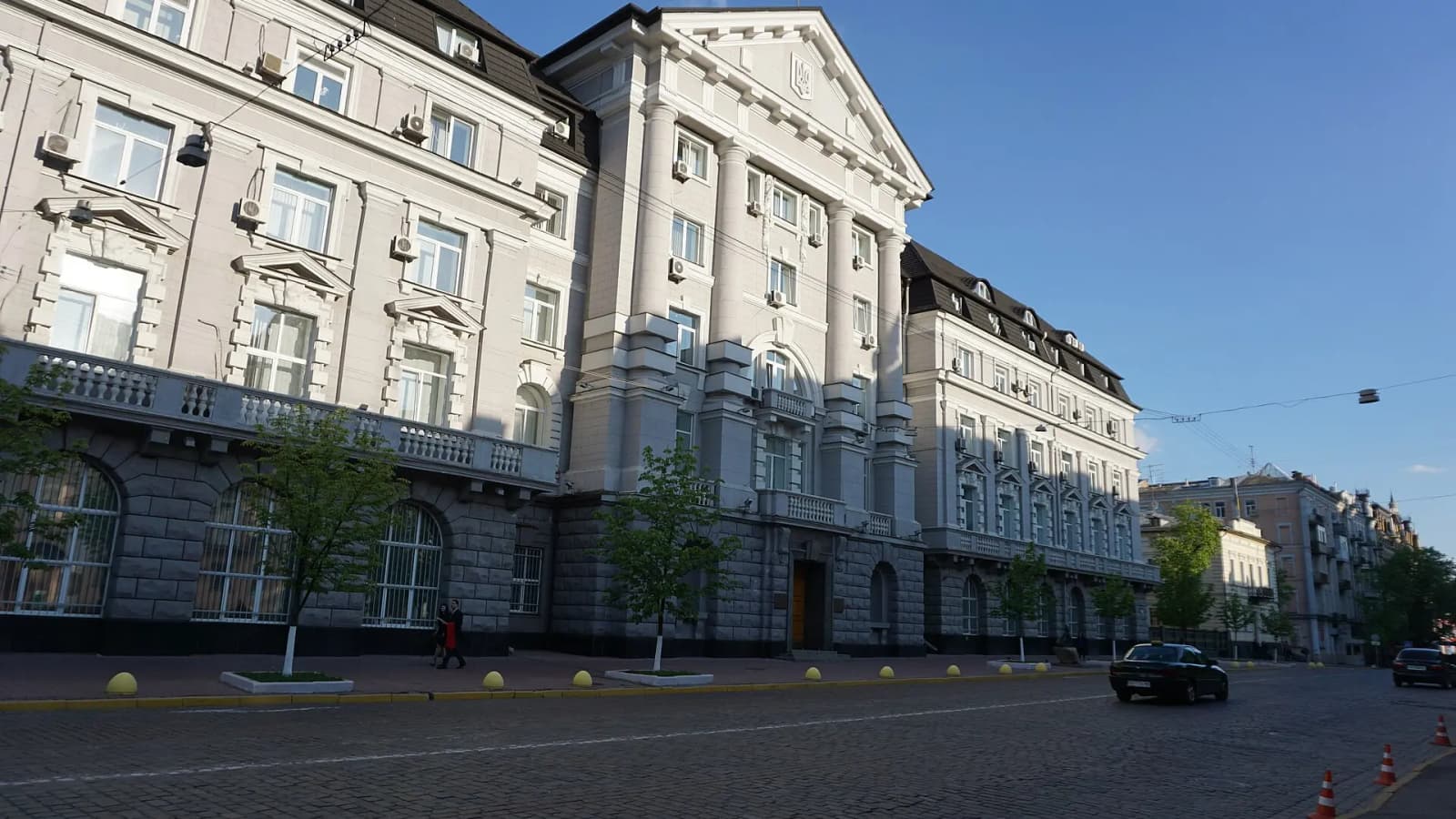
Ukrainian intelligence: Russia using Rassvet for military communications over Ukraine
According to Kyiv, the Russian satellite network is intended to improve strike drones’ accuracy and resistance to jamming, but currently provides only intermittent connectivity. There is no independent confirmation of its combat use or its effect on drones.
UkraineRussia–Ukraine War
Ukrainian intelligence claims Russia is recruiting Ukrainian refugees for sabotage in Europe
Kyiv links the alleged recruitment to an attempt to undermine European support for Ukraine. Romanian and German reports provide details of individual investigations but confirm neither the scale of the campaign nor the suspects’ refugee status.
 English