
Hohenfels, GermanyDrones
 Hohenfels, Germany
Polish special forces practised infiltration under drone surveillance in Germany
Deep Strike training tests special forces’ ability to evade detection, infiltrate behind enemy lines and attack a target. US Special Operations Command Europe developed the programme using lessons from Ukraine.

Polish special forces have completed Deep Strike training at the Joint Multinational Readiness Center in Hohenfels, Germany, NATO said. The exact date of the Polish participation was not given. The scenario places participants in an environment with unmanned aerial vehicles and sensor surveillance, with US paratroopers acting as the opposing force.
Multi-day infiltration and strike on a training target
NATO reports that the Polish troops reached positions behind the simulated enemy’s lines without being captured by the US paratroopers pursuing them. Their movement lasted several days and ended with an attack on a target simulating an electronic warfare (EW) system. They used an unmanned aerial vehicle carrying a training charge for the strike.
The task does not end with successfully evading detection. Participants must retain the ability to attack after prolonged movement under threat of detection. In this scenario, the US paratroopers are the pursuing force, not a unit operating alongside the Polish team.
NATO’s report does not identify the operators or their units, as the Polish and US special operations commands apply operational security rules.
Poland is the first ally to take part after the US teams
US Special Operations Command Europe (SOCEUR) drew on Ukrainian special forces’ operational experience when developing Deep Strike. According to NATO, teams from the US 10th Special Forces Group tested the training twice before Polish troops took part. According to NATO, Poland is the first other allied country to send a team.
Romanian television broadcaster Digi24 reports that elite troops are preparing to carry out missions without the sophisticated equipment they have relied on until now, to avoid detection by enemy drones and sensors. The scenario itself, however, includes the use of an unmanned aerial vehicle for the final attack. The training described therefore does not represent a wholesale rejection of modern equipment. The question is when its use helps accomplish the mission and when it increases the risk of detection.
Timing of the Polish team’s participation remains unclear
The outcome reported by NATO describes the execution of a specific training scenario.
The number of Polish participants has not been announced either. The date of 22 February 2026 attached to a photograph in NATO’s report refers to a US service member from the first iteration of the training and does not establish when the Polish team took part.
Sources
1 primary or official1 secondary report
Primary / Official
- Primary sourceNATO
Secondary reporting
Linked to this story
 Poland
 NATO
Related topics
Off NorwayMilitary Aviation
 Off Norway
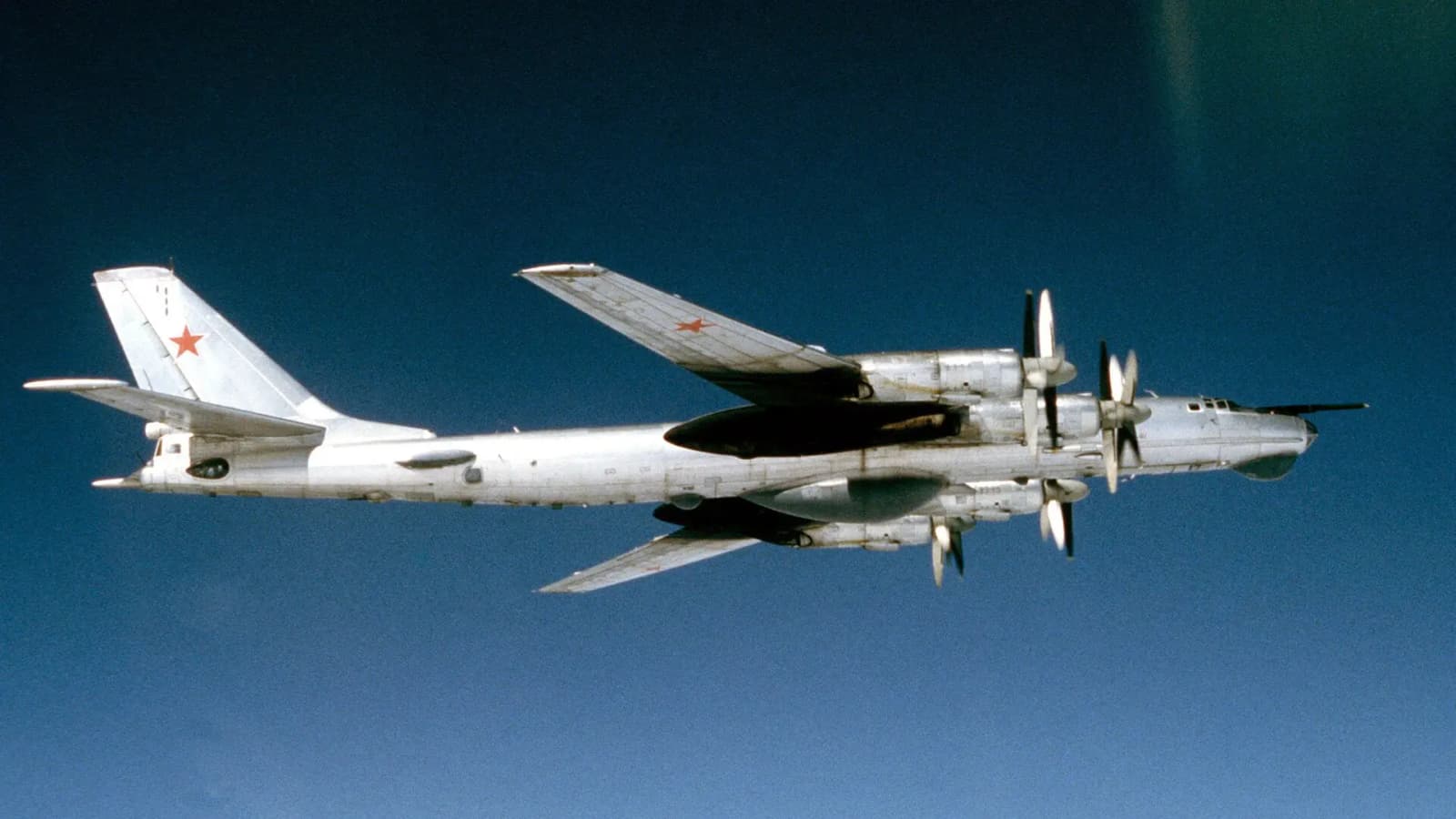
British F-35s probably intercepted Russian Tu-95 off Norway
According to a report citing the Royal Navy, aircraft from HMS Prince of Wales intercepted the Russian bomber during Exercise Neptune Strike. There is no independent confirmation of the aerial encounter so far.
Outer Hebrides, ScotlandMilitary Aviation
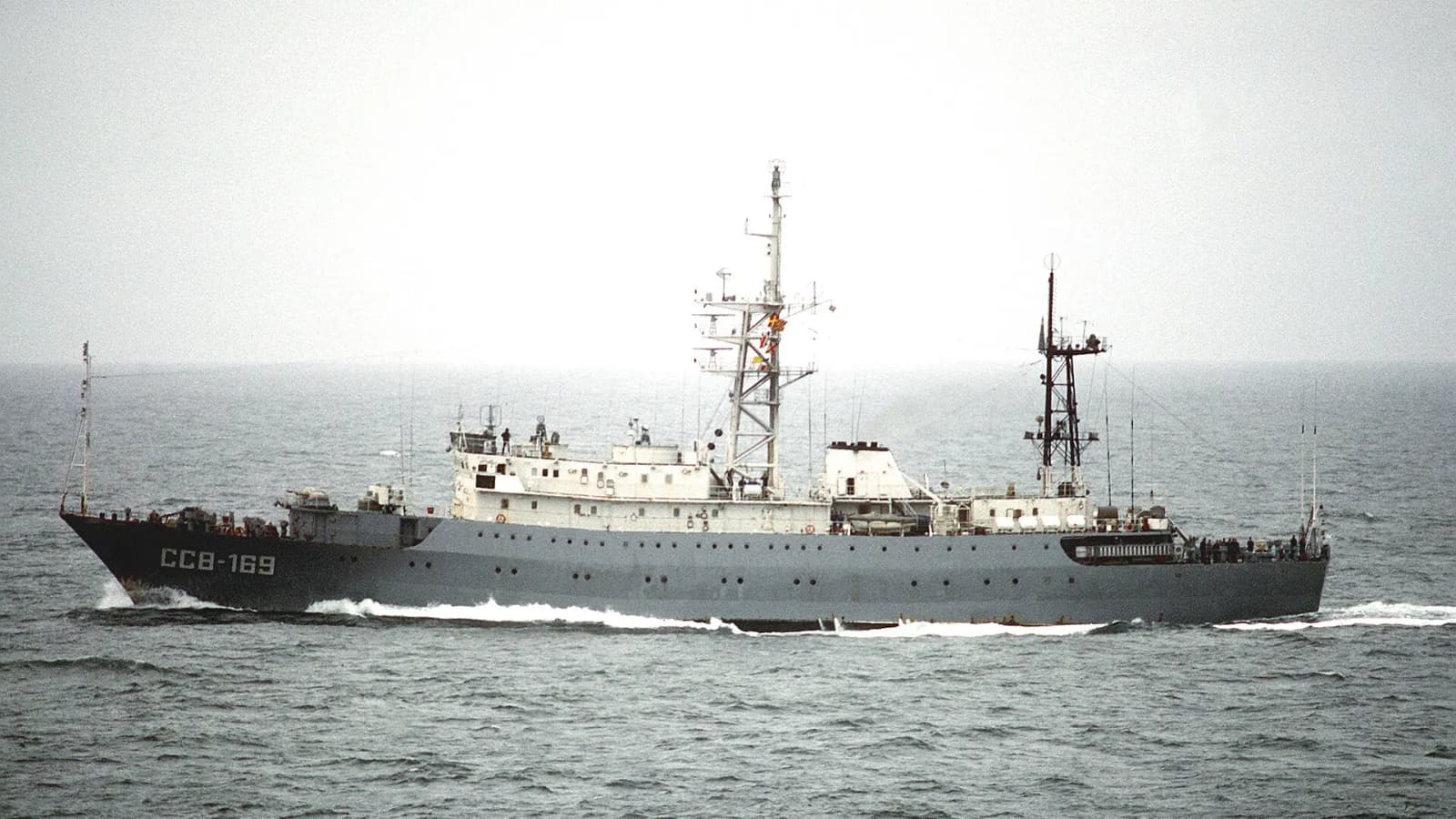
Royal Navy says it tracked Viktor Leonov off Scotland
According to media reports, Merlin helicopters tracked the Russian intelligence ship off the Outer Hebrides from 29 September to 8 October. The British side links its presence to NATO’s Strike Warrior exercise, but that mission has not been independently confirmed.

Bonn, GermanyDefence
Hungary and Germany expand military cooperation in logistics and support
The letter of intent covers five areas, including military medicine and protection against nuclear, chemical and biological threats. The two countries plan to review progress after one year.
LithuaniaElectronic Warfare
 Lithuania
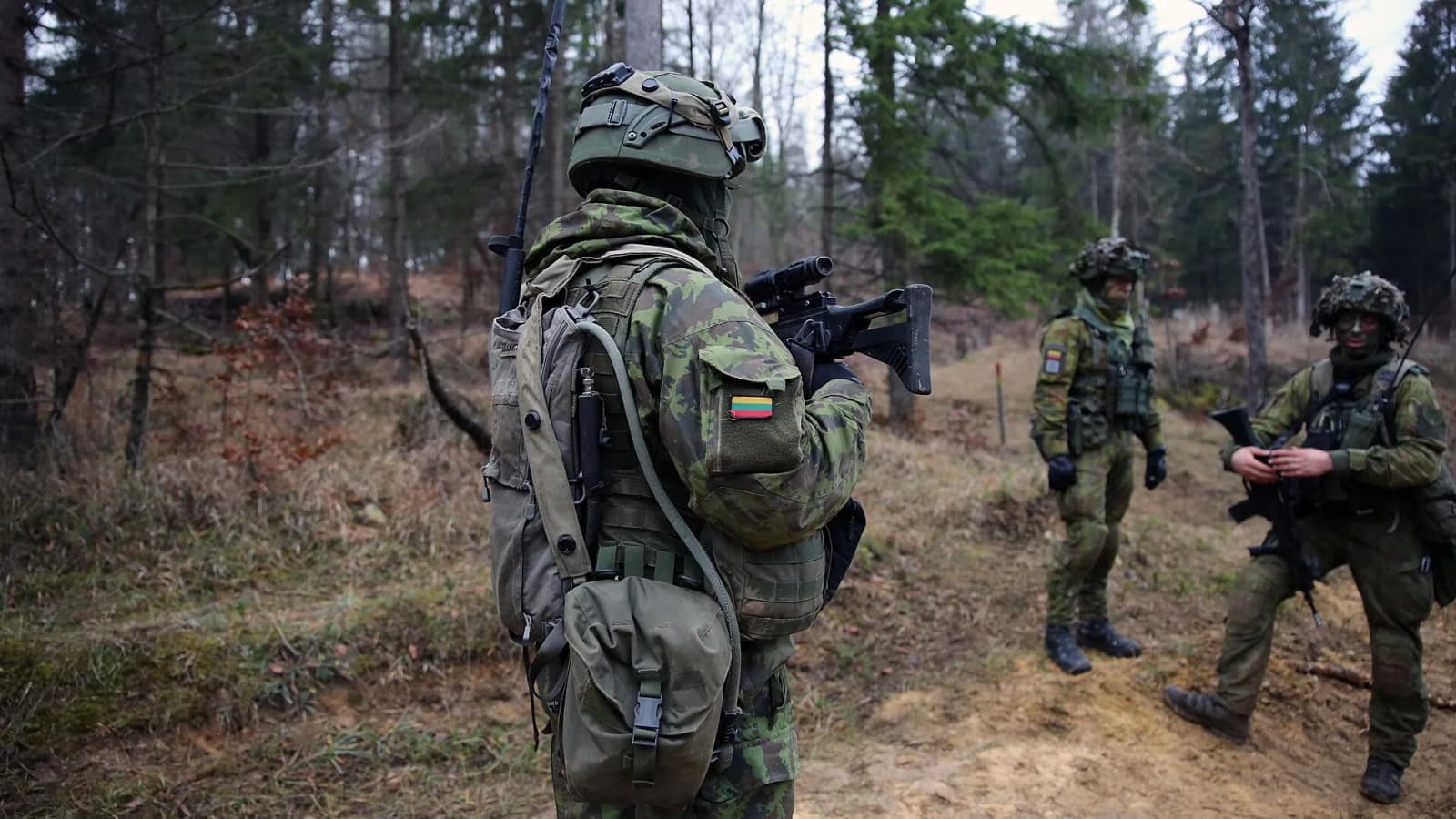
German forces in Lithuania to monitor Russian and Belarusian radars
According to Defence24, German forces are preparing to gather electronic intelligence to detect military activity in Kaliningrad Oblast and Belarus at an early stage. The information collected will be used to update Germany’s and its allies’ electronic warfare databases.
 English