
BulgariaDrones
Bulgarian project Bronia presented as an acoustic drone detection system
According to Capital, Bulgarian developers are using acoustics and artificial intelligence to detect and locate unmanned aerial vehicles. The technology could be used to protect critical infrastructure, but its performance and stage of development remain unclear.

Technology developed by Bulgarians identifies unmanned aerial vehicles by their sound and determines their coordinates, Capital reports. The publication is the sole media source for the information. At the time of publication, Flank has found no independent confirmation of the technology's operation or performance.
The technology detects and locates aircraft by sound
According to the publication, the device uses artificial intelligence and neural networks to filter out background noise, recognise the distinctive sound of an unmanned aerial vehicle and determine its location. Capital presents the project as a Bulgarian development intended to protect European critical infrastructure.
Although the report compares it to a “drone radar”, the method described is acoustic. The description alone does not establish the presence of a radar sensor. The stated functions are detection and location, not jamming or destruction of the aircraft.
In Flank's assessment, the potential benefit lies in complementing other surveillance systems around protected sites. Its practical value depends on whether the warning is accurate and timely enough to enable a response. Recognising the sound of an unmanned aerial vehicle and reliably determining its coordinates are separate tasks.
No performance measurements have been presented
Capital cites advantages such as longer battery life, faster response and coverage of blind spots in other surveillance systems. These comparisons are not supported by verifiable measurements of range, accuracy, response time, endurance or false alarm rates.
The identities of the developers, the legal entity behind Bronia, its stage of development and whether it has been tested or deployed have not been established. The publication date does not indicate when the technology was created.
Assessing its applicability requires tests under documented conditions, including in a real-world acoustic environment, as well as results for location accuracy and false alarm rates. Such measurements would make it possible to judge whether the claimed functions can provide reliable warning around critical infrastructure.
Why This Matters for Bulgaria
The connection to Bulgaria is the Bulgarian origin of the technology for protecting critical infrastructure, as reported by Capital. Its applicability to protecting sites in the country remains unestablished without data on its accuracy and reliability.
Sources
1 independent report
Independent reporting
Capital · capital.bg
Българската Bronia, която цели да опази критичната инфраструктура на ЕвропаVerified media
Linked to this story
Related topics
Odesa region, UkraineRussia–Ukraine War
 Odesa region, Ukraine
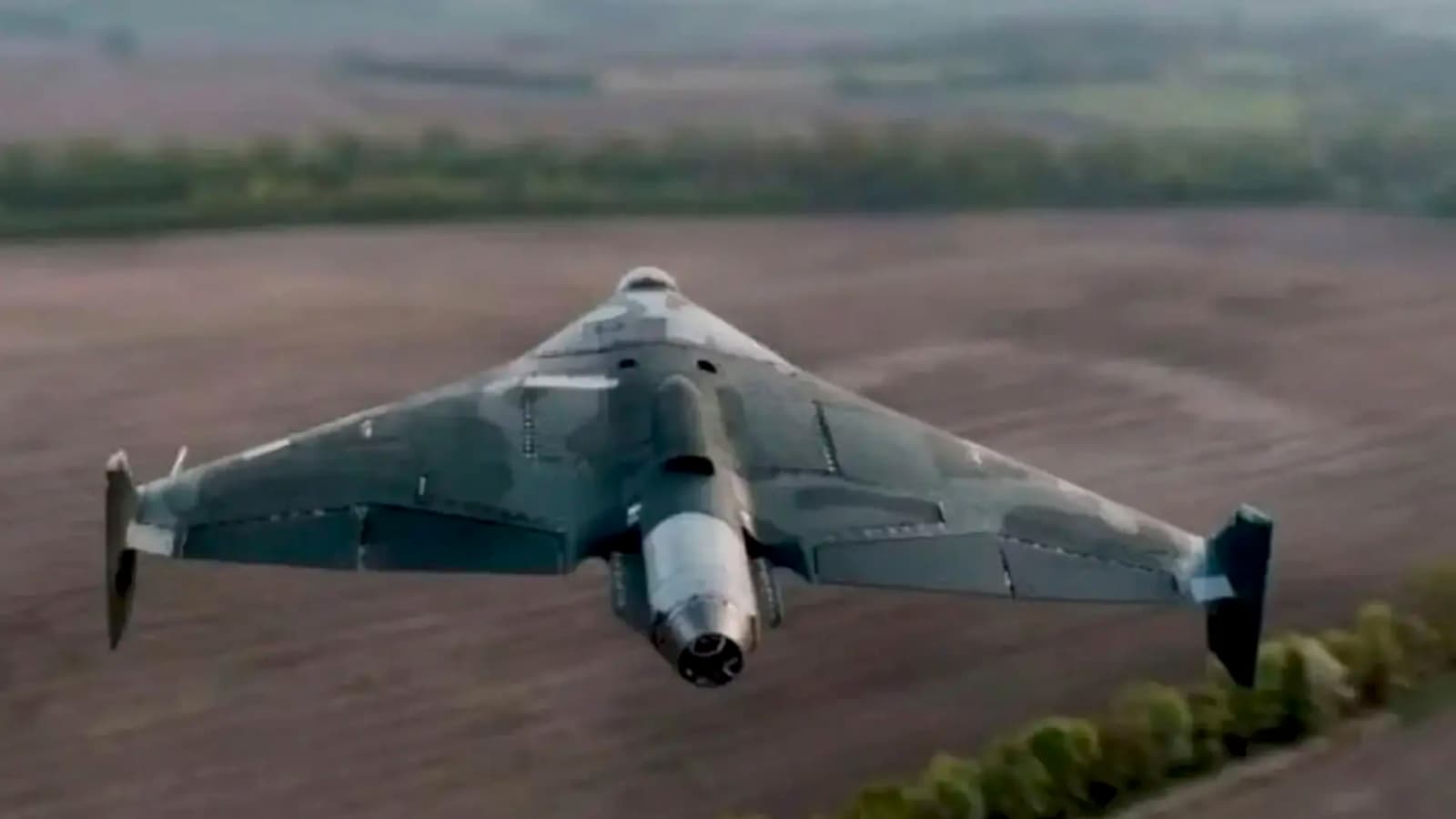
Ukrainian intelligence publishes analysis of Geran-5 K5-K with thermobaric warhead
HUR has presented specifications for the Russian aircraft and a list of nearly one hundred foreign electronic components. According to Ukrainian intelligence, the specimen examined is close to a small cruise missile in design and performance.
LatviaDrones
 Latvia
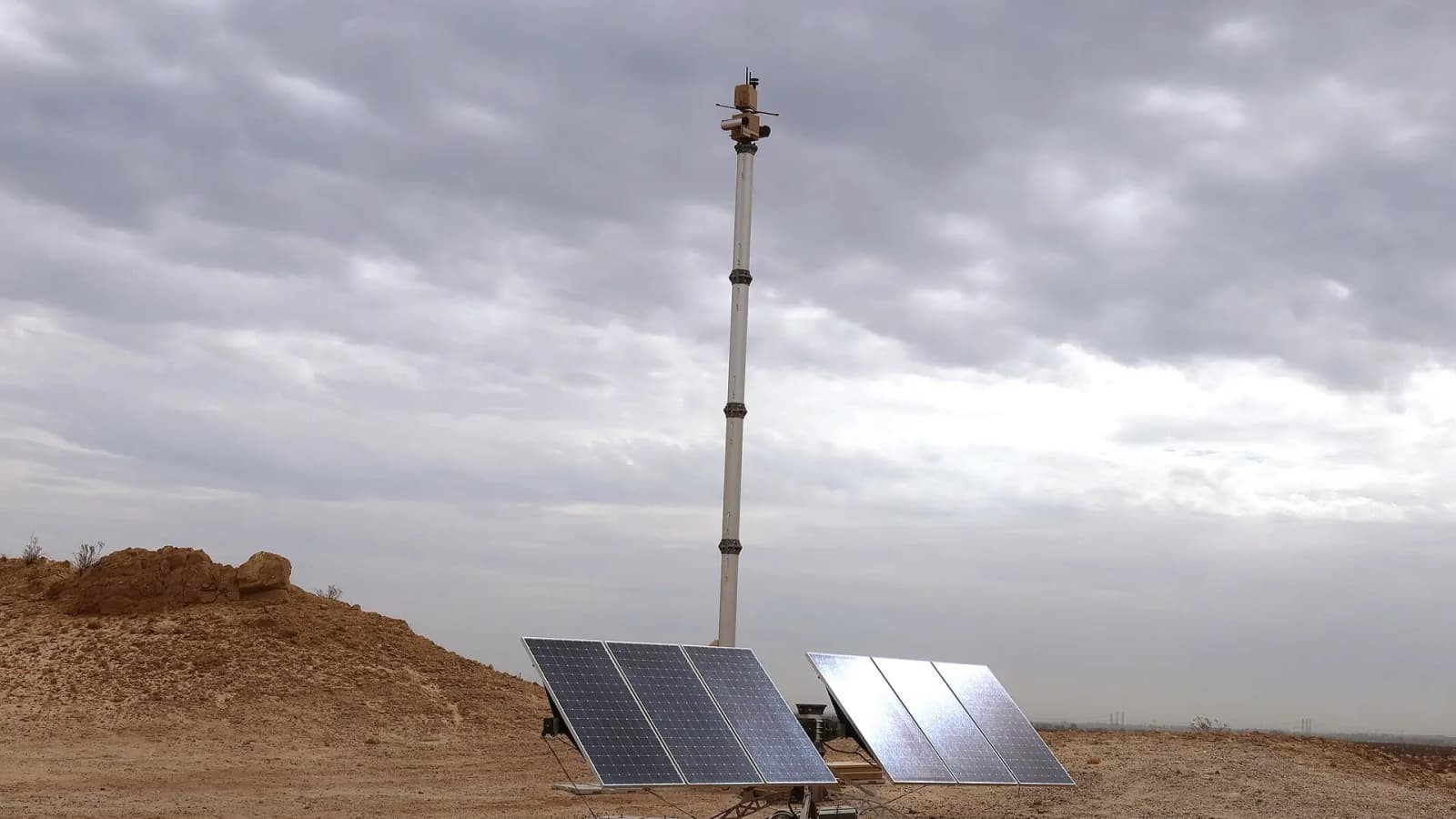
’s ORIGIN and US firm Anduril demonstrate counter-drone configuration
According to information from the manufacturers, the demonstration combined the BLAZE interceptor, a command-and-control platform and a radar already used by Latvia’s air defence. The integration described could allow existing infrastructure to be used, but no results from actual interceptions have been released.

SwedenMilitary Aviation
 Sweden
The future of air combat is here: Artificial Intelligence takes control of a Gripen E fighter jet
The Swedish manufacturer says the agent, trained with millions of hours in simulation, autonomously controlled the fighter in real test flights. Details of the flights have not been disclosed, and the technology is not yet ready for service.
UkraineDefence Industry
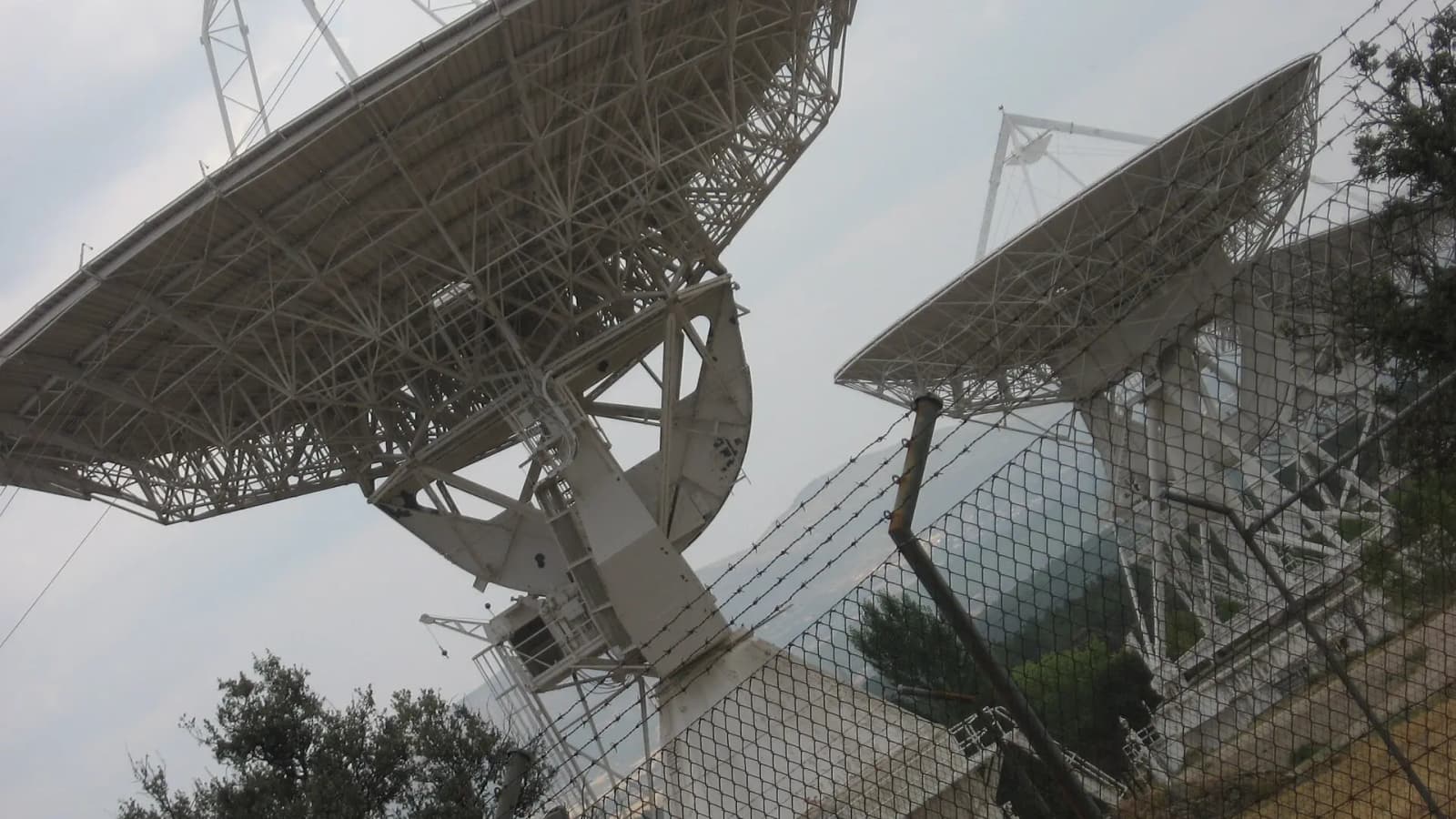
Ukraine explores satellite communications system under its own control
The Ministry of Defence, ICEYE and Nokia have signed a letter of intent to explore the development of a future system. The initiative is at a preliminary stage: no budget, timetable or final technical configuration has been announced.
 English