
Kaunas, LithuaniaMilitary Aviation
 Kaunas, Lithuania
Lithuanian military: Fighter jets did not fire on drone over Kaunas because of debris risk
The military says the decision reflected the danger to the urban area. According to Lithuanian public broadcaster LRT, NATO fighter jets made two unsuccessful attempts to shoot down the drone.

Fighter jets identified a drone over Kaunas but did not fire on it because of the risk of damage from falling debris, the Chief of the Lithuanian Defence Staff, Giedrius Premeneckas, told LRT. According to the broadcaster, the incident took place in the week before its report of 13 November 2026; the exact date was not given.
Missile debris fell in Biržai district
According to LRT, NATO fighter jets subsequently made two unsuccessful attempts to shoot down or neutralise the drone.
According to the route described by LRT, the aircraft entered Lithuania from Belarus, briefly crossed into Poland and returned to Lithuanian airspace. The broadcaster describes it as suspected Ukrainian. That description does not establish its operator or launch location, while its entry from Belarus does not in itself prove Belarusian responsibility.
The decision not to fire over the city was not a failed interception
The decision over Kaunas and the reported subsequent unsuccessful attempts are separate parts of the incident. Premeneckas says the decision to hold fire was taken to protect people and buildings on the ground. Identifying a target does not automatically mean it can be engaged without an unacceptable risk from debris.
A technical assessment of the subsequent attempts requires the fighter and missile models, the drone's characteristics and the conditions during the interception. The wording that a missile “probably failed to activate” does not establish whether there was a problem with launch, guidance or warhead initiation. It remains unclear what the country carrying out the mission established, and whether there were any casualties or material damage.
LRT also raises the question of missile costs compared with those of relatively cheap drones. In Flank's assessment, that comparison alone is not sufficient to choose a means of interception: both the potential harm from a target that is not brought down and the risk posed by the weapon used must be considered. Without specific information about the munitions and available alternatives, this case does not allow a conclusion about which option would have been cheaper and safer.
Sources
1 secondary report
Secondary reporting
Lithuanian National Radio and Television (LRT) · lrt.lt
Expensive missiles, cheap drones: cost-effectiveness of protecting Lithuania’s airspaceVerified media
Linked to this story
 Poland
 NATO
Related topics

LithuaniaMilitary Infrastructure
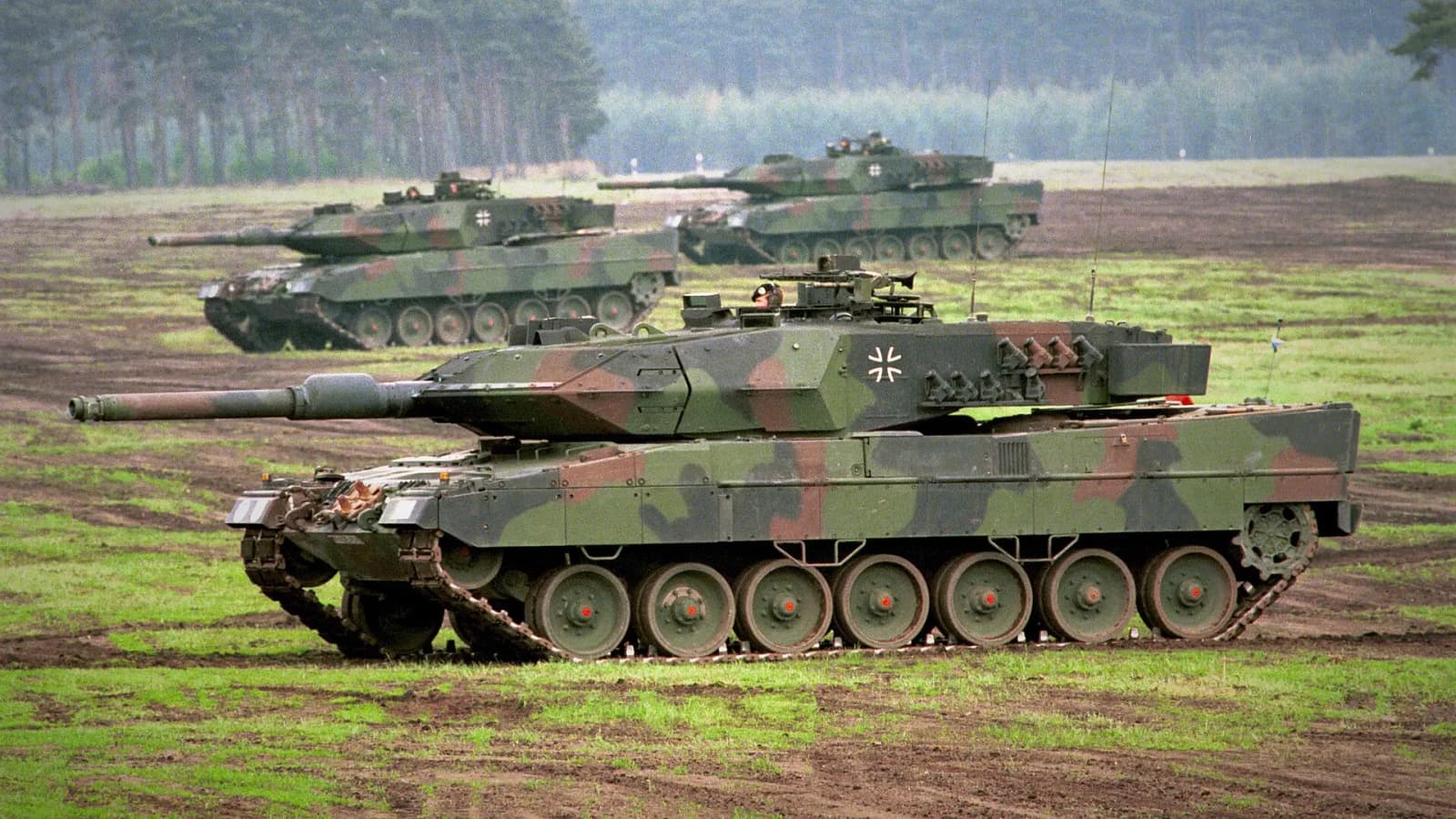
Lithuania says it is ready to host additional US forces
According to LRT, Defence Minister Robertas Kaunas said Lithuania was ready to host more US troops and provide the necessary infrastructure. The statement does not confirm a new US deployment decision.
Berlin, GermanyMilitary Infrastructure
 Berlin, Germany
Lithuania and Germany sign a declaration on strategic defence cooperation
Defence ministers Robertas Kaunas and Boris Pistorius signed the document in Berlin. Air defence and protection against drones are among the priorities, and the German brigade in Lithuania remains the core of the partnership.
LithuaniaDrones
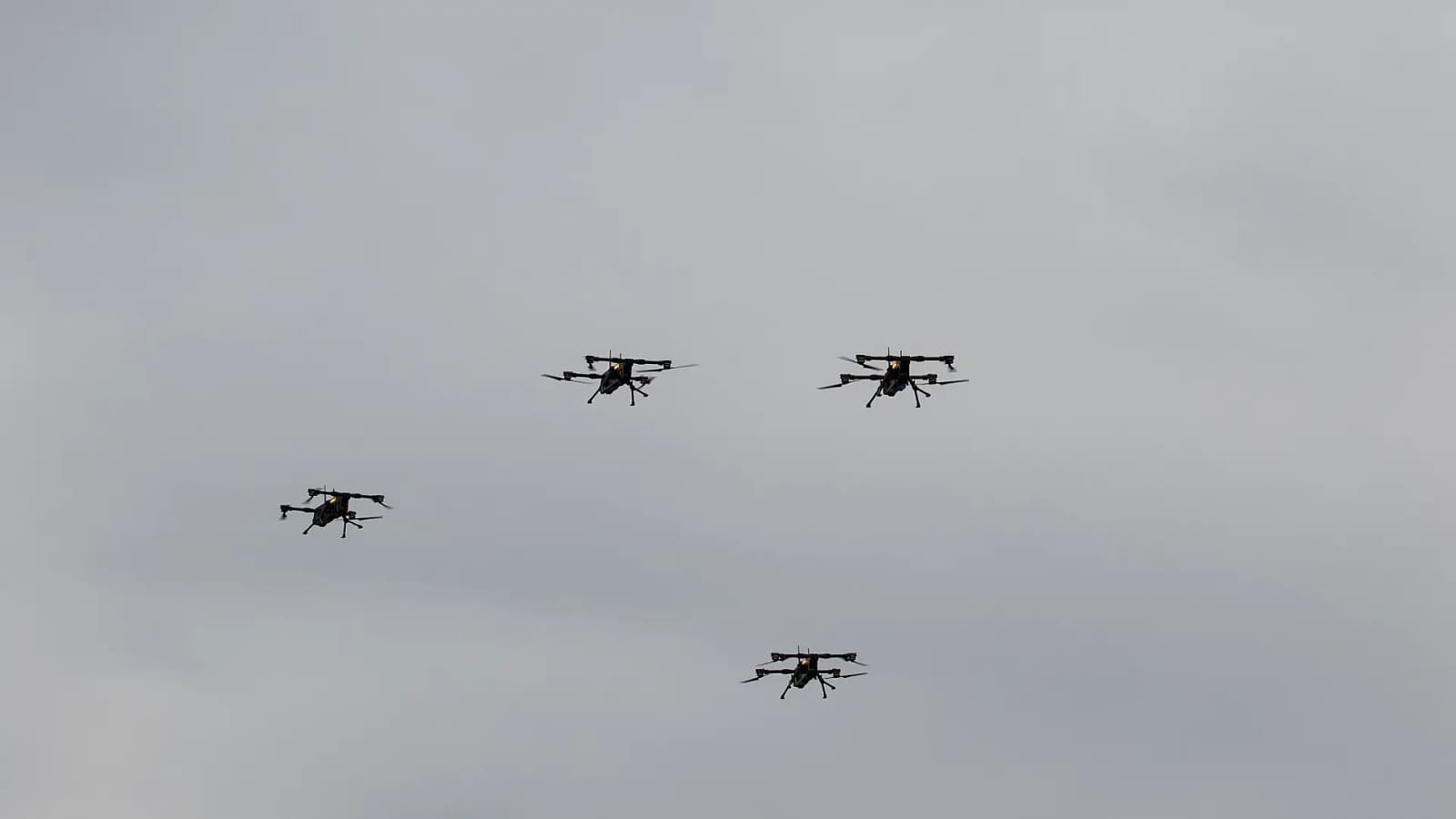
Lithuania considers state-owned drone holding company to speed up military procurement
Defence Minister Robertas Kaunas is proposing a state-owned company to support the domestic drone industry. For now, the idea is only under discussion — neither a budget nor a timetable for establishing it has been announced.
 English