
Ankara, TurkeyDrones
Turkish company ASELSAN says Ejderha disabled 51 drones in demonstration
According to its developer, the electromagnetic system neutralised the group within seconds with a single command. A separate test against two cable-controlled aircraft was conducted at around one kilometre, but that range was not specified for the group test.

Turkish defence company ASELSAN demonstrated its Ejderha electromagnetic system at the Gölbek test range near Ankara on 16 November 2026. According to the developer, the system simultaneously disabled 51 unmanned aircraft within seconds with a single command. The result was reported by Turkey’s Anadolu Agency, cited by BTA, and subsequently by the newspaper 24 Chasa.
Separate kilometre-range test does not establish the range of the group test
The demonstration marked ASELSAN’s 51st anniversary, which explains the number of aircraft used in the group test. According to the announcement, they took off simultaneously to simulate a swarm attack.
In the first stage of testing, the system disabled two cable-controlled unmanned aircraft at a range of around one kilometre, Anadolu Agency reported, as cited by BTA. That range applies only to the two aircraft, not to the subsequent engagement of 51 targets. The type of cable control was not specified.
According to the developer’s description, Ejderha uses powerful electromagnetic waves generated by vacuum electronics to affect onboard electronics. The system is designed to defend against mini- and micro-unmanned aircraft. This approach targets the aircraft itself, rather than merely disrupting its radio control link.
Ejderha is in series production and intended for Steel Dome
ASELSAN Chief Executive Ahmet Akyol says Ejderha has entered series production and is ready for deployment. This is an announced production milestone, not an announcement of a specific operational deployment or completed deliveries.
According to 24 Chasa, the system is intended for Turkey’s multilayered Steel Dome (ÇELİKKUBBE) air defence system. In such a configuration, electromagnetic countermeasures would complement the other means of defence against aerial targets.
Engagement parameters remain unspecified
The announcement does not specify the number or duration of the electromagnetic emissions. Nor does it identify the types of unmanned aircraft used in the group test, their range or formation, or whether “neutralisation” means a temporary malfunction or permanent damage.
These parameters are crucial to assessing the area protected and the repeatability of the result. The simultaneous take-off of 51 aircraft does not in itself prove that they operated as an autonomously coordinated swarm. Their number was chosen for the demonstration and cannot be taken either as an upper limit on the system’s capabilities or as proof of effectiveness against every type of group attack.
Sources
2 independent reports
Independent reporting
Bulgarian News Agency (BTA) · bta.bg
Турската електромагнитна противовъздушна система „Еждерха“ свали 51 дрона с една командаNews agency24 Chasa · 24chasa.bg
Турска система за противовъздушна отбрана свали 51 дрона с една командаVerified media
Linked to this story
 Türkiye
Related topics
TürkiyeShipping
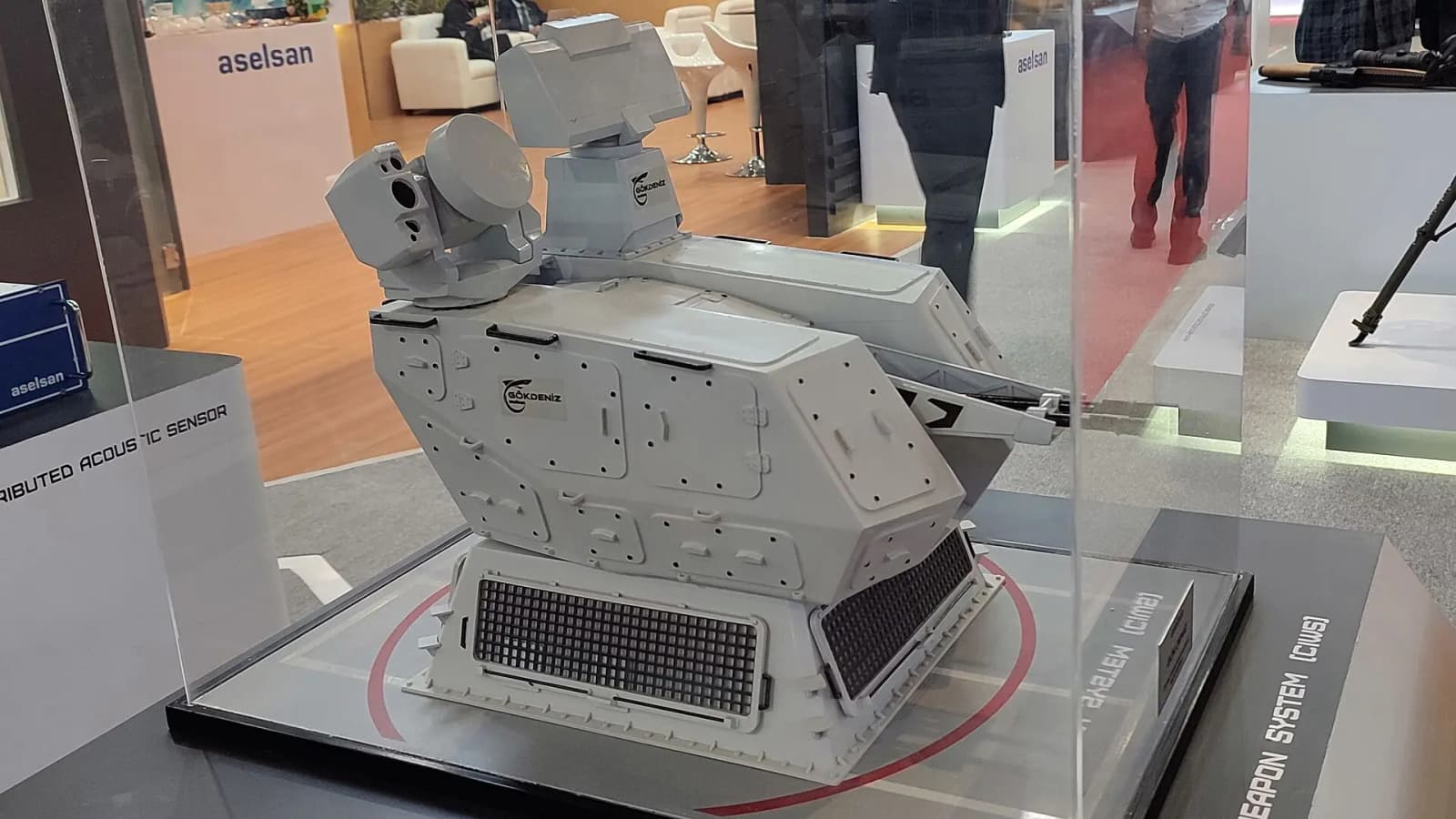
Turkish company ASELSAN offers air defence for civilian ships
Reports describe portable configurations of GÖKDENİZ and GÖKSUR VLS for protecting merchant vessels as well. They concern a possible application, not verified installation of weapons on tankers in the Black Sea.
TürkiyeDefence Industry
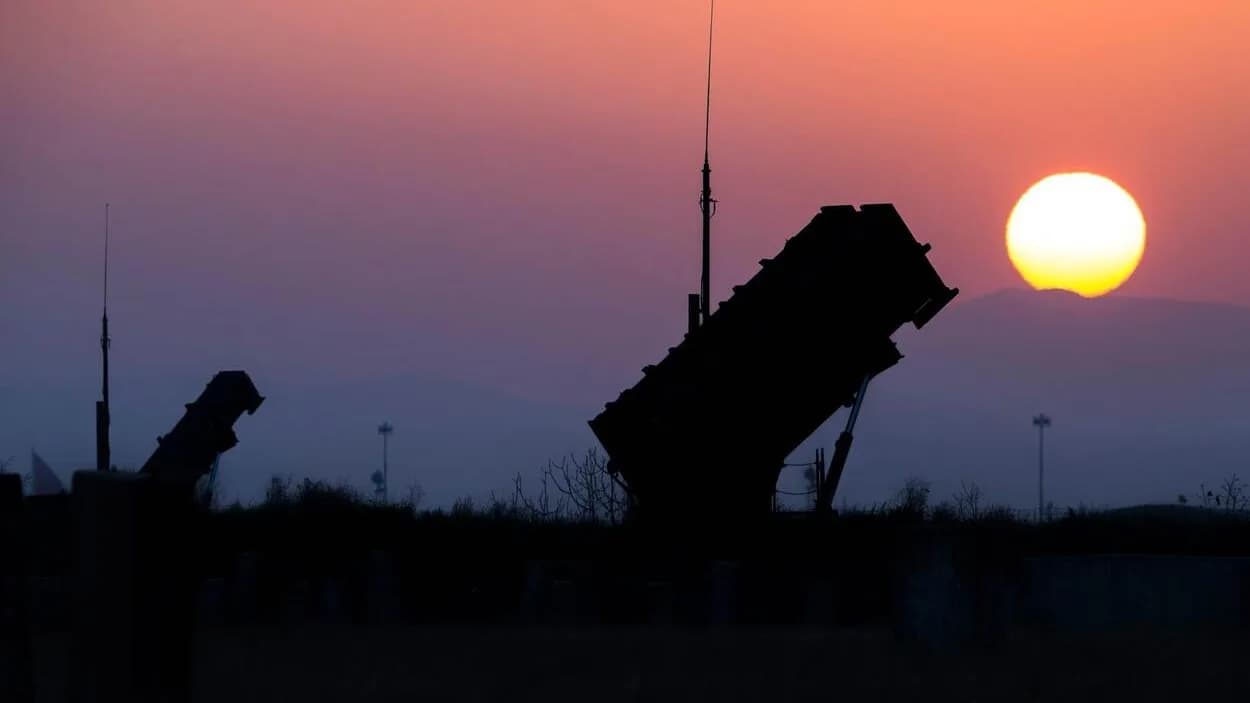
Turkey’s ASELSAN announces €523 million contract to develop air and missile defence system
The Turkish company will develop the system for the state defence industry agency SSB. The contract is for development work, not the delivery of a ready-made missile shield; technical specifications and timelines have not been announced.
AnkaraDrones
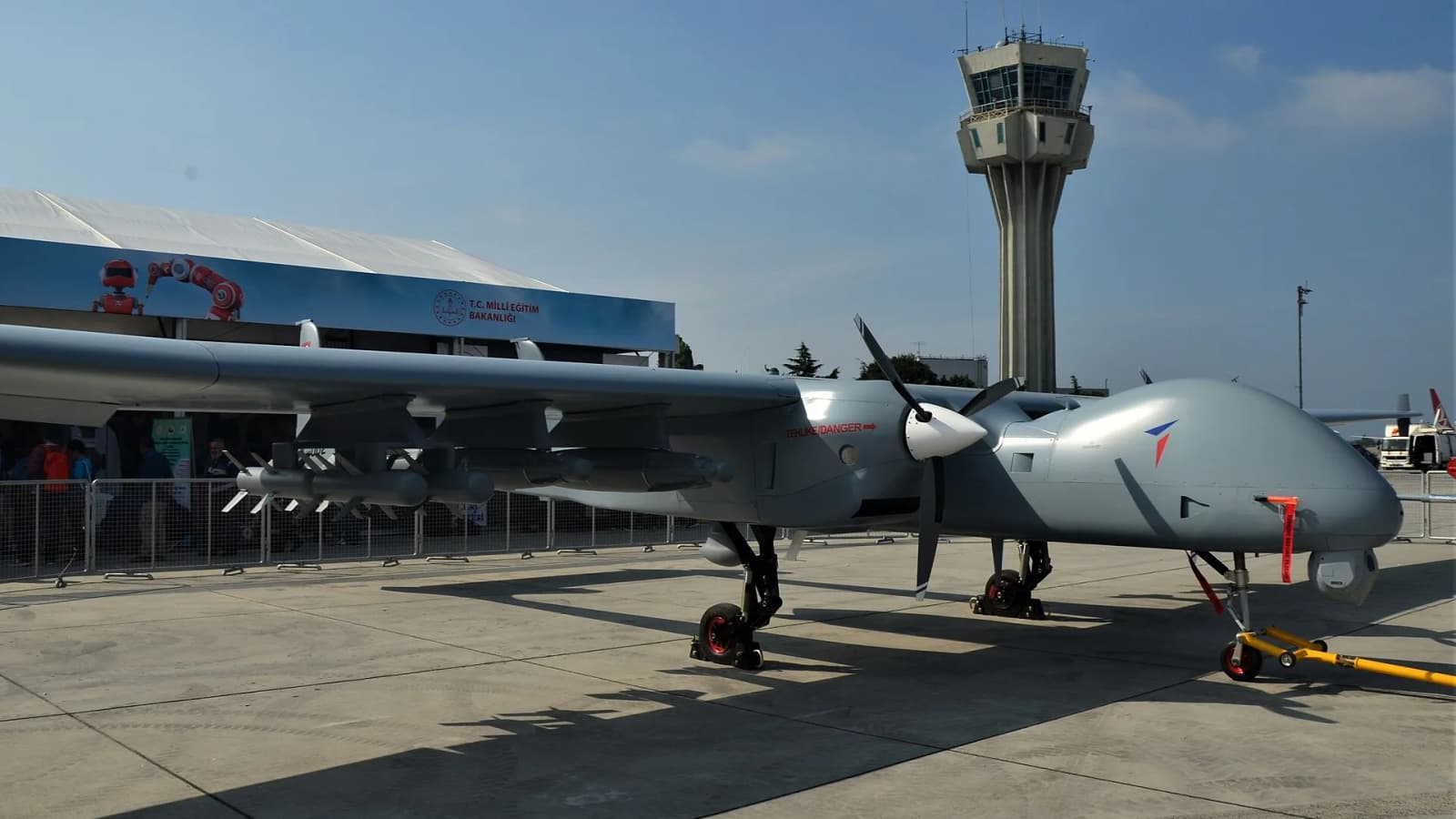
Turkey aims for 10 million strike drones over ten years
Defence24 reports production targets announced by the Chief of the Turkish General Staff, General Selçuk Bayraktaroğlu: 5 million strike drones within five years and 10 million within ten. This is a stated ambition, not a proven production capacity.
 English