
SofiaAir Defence
Dimitar Stoyanov announces Bulgaria’s accession to initiative against low-flying threats
Opening AFCEA TechNet Sofia 2026, the defence minister emphasised artificial intelligence and cooperation with allies. Participation in the initiative does not yet mean systems have been acquired or defences established.
Bulgaria joined the “Capabilities to Counter Low-Flying Air Threats” initiative on 30 October, Defence Minister Dimitar Stoyanov said, according to the Ministry of Defence. On 5 November, he opened the international AFCEA TechNet Sofia 2026 conference at the Central Military Club in Sofia. Details of the forthcoming ratification and technical scope come from a report by Radio Romania International relaying Bulgarian National Radio. Flank has found no independent confirmation of this information. Developments are ongoing and further information may be added.
Stoyanov emphasised new technologies and cooperation with allies
Representatives of NATO, state institutions, the defence industry and academia are taking part in the conference on 5 and 6 November. The event is held under the patronage of the defence minister.
According to the ministry’s statement, Stoyanov describes artificial intelligence, autonomous systems and smart technologies as already decisive for defence planning and achieving operational superiority. He said their introduction could no longer be regarded solely as a task for the future.
The minister called for faster adoption of technology and the development of joint capabilities with allies. He linked technological independence to cooperation between transatlantic structures, European security mechanisms, national institutions, science and business. His remarks outline political priorities but do not identify specific AI technologies, tasks for them or test results.
Details of the memorandum come from a Radio Romania International report
Radio Romania International (RRI), the international service of Romanian public radio, reported on 4 November, relaying Bulgarian National Radio, that Stoyanov had signed a document on accession to a memorandum of cooperation. According to the report, the document is to be submitted to the National Assembly for ratification. Belgium, Denmark, Finland, Greece, Romania, Sweden and Türkiye are listed as parties to the memorandum.
The report describes the initiative as targeting threats at altitudes below 150 metres, including unmanned aerial vehicles, cruise missiles and glide bombs. It identifies four areas: detection, identification, tracking and countering threats. This altitude range describes the threats under consideration, not a proven area of protection provided by a future system.
The official statement on accession and the report of forthcoming ratification are not necessarily contradictory, as signing and completion of domestic procedures may be separate stages. However, the final procedural status remains unclear without the document itself and the relevant parliamentary acts.
Black Sea security is a priority, but specific protection remains unclear
Stoyanov highlighted countering new asymmetric threats in the Black Sea region as an important task for the Ministry of Defence and mentioned attacks using unmanned systems against merchant ships. No dates, locations or independently verifiable evidence of these attacks were provided that would allow the perpetrator or their connection to specific incidents to be established.
In Flank’s assessment, participation in the initiative gives technological modernisation a more concrete direction than a general call for innovation, but does not mean equipment has been delivered or combat readiness achieved. No budget, timelines, contracts, quantities or deployment locations have been announced. Nor is there any basis for concluding that the initiative already provides protection for Bulgarian ports, ships or military sites.
The next verifiable steps are to clarify the accession procedure, establish funding and technical requirements, and then conduct trials and potentially conclude contracts. These will show how the stated cooperation translates into a real capability.
Sources
1 primary or official1 independent report
Primary / Official
Bulgarian Ministry of Defence · mod.bg
Димитър Стоянов: Изкуственият интелект и иновациите са основата на съвременните отбранителни способностиPrimary sourceGovernment
Independent reporting
Radio Romania International · rri.ro
Bulgaria se alătură inițiativei NATO de combatere a dronelorVerified media
Linked to this story
 NATO
Related topics
SofiaMilitary Aviation
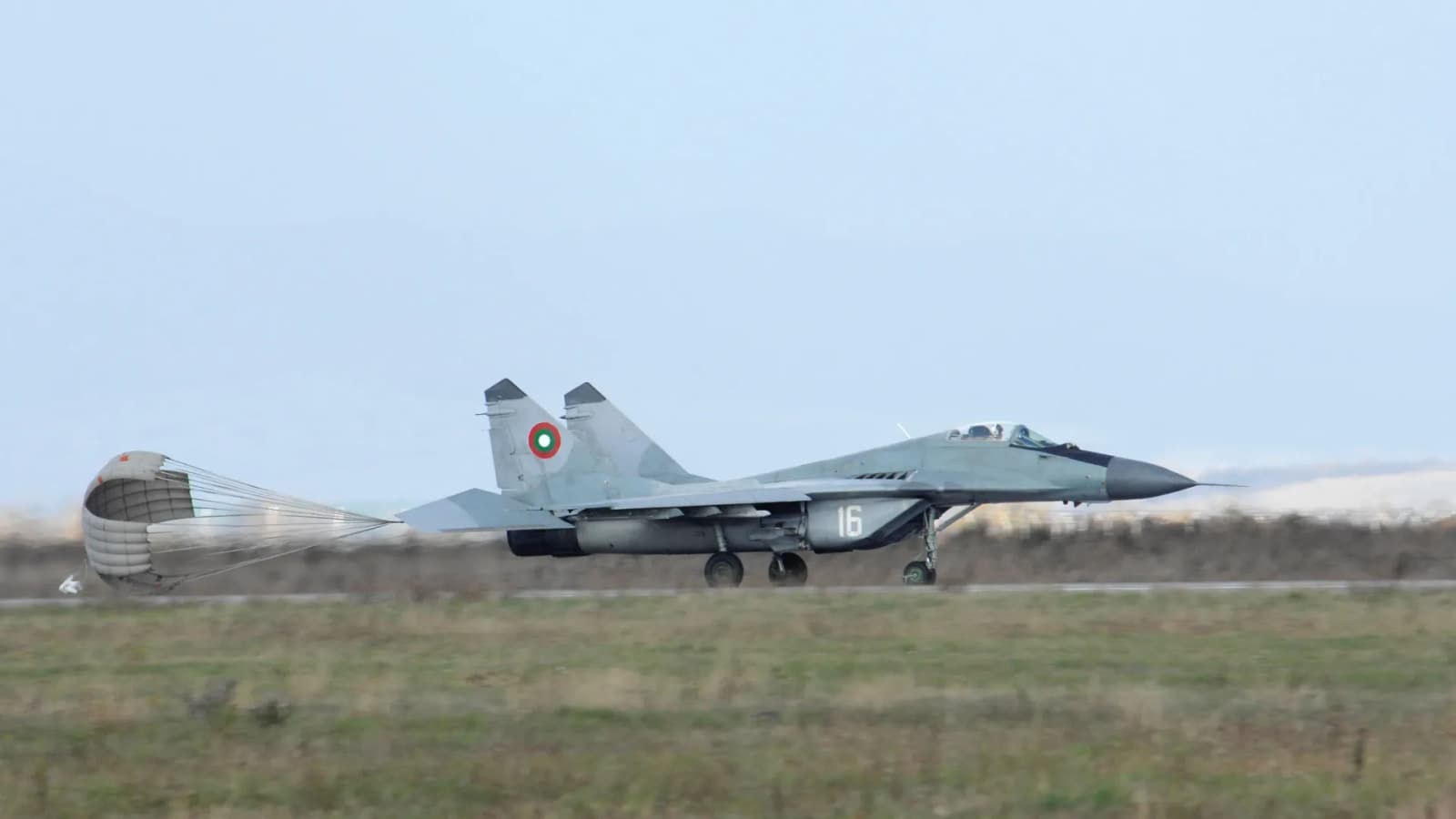
Bulgarian MiG-29s escort Tel Aviv–Vienna airliner to Sofia after bomb threat
The duty fighters were scrambled under NATO air policing.
SofiaDefence
NATO crisis management centre in Sofia approves 2027 programme and budget
The Steering Committee adopted the annual programme, with a focus on resilience and interoperability. The Ministry of Defence did not disclose the budget total or the specific activities planned.
SofiaNaval Warfare
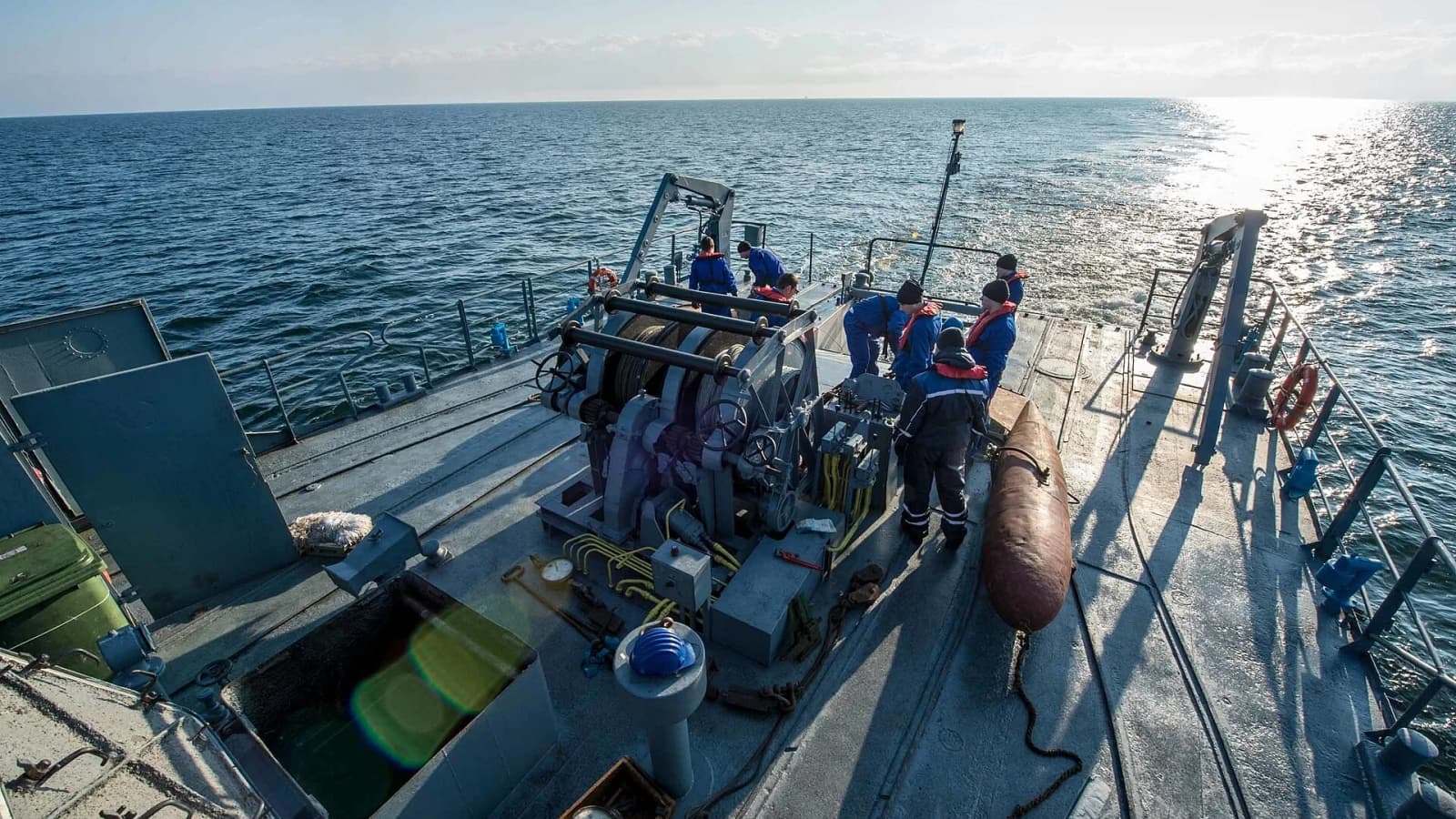
Bulgaria proposes joint mechanism with Romania and Türkiye to secure Black Sea shipping
Sofia wants a faster joint response to threats to maritime traffic. Political statements and military proposals have been prepared for discussion, BurgasMedia reports. According to Defence Minister Dimitar Stoyanov, the Bulgarian Navy and the Ministry of Transport are monitoring the drifting, capsized vessel Khoriv and will respond if necessary.
SofiaMilitary Aviation
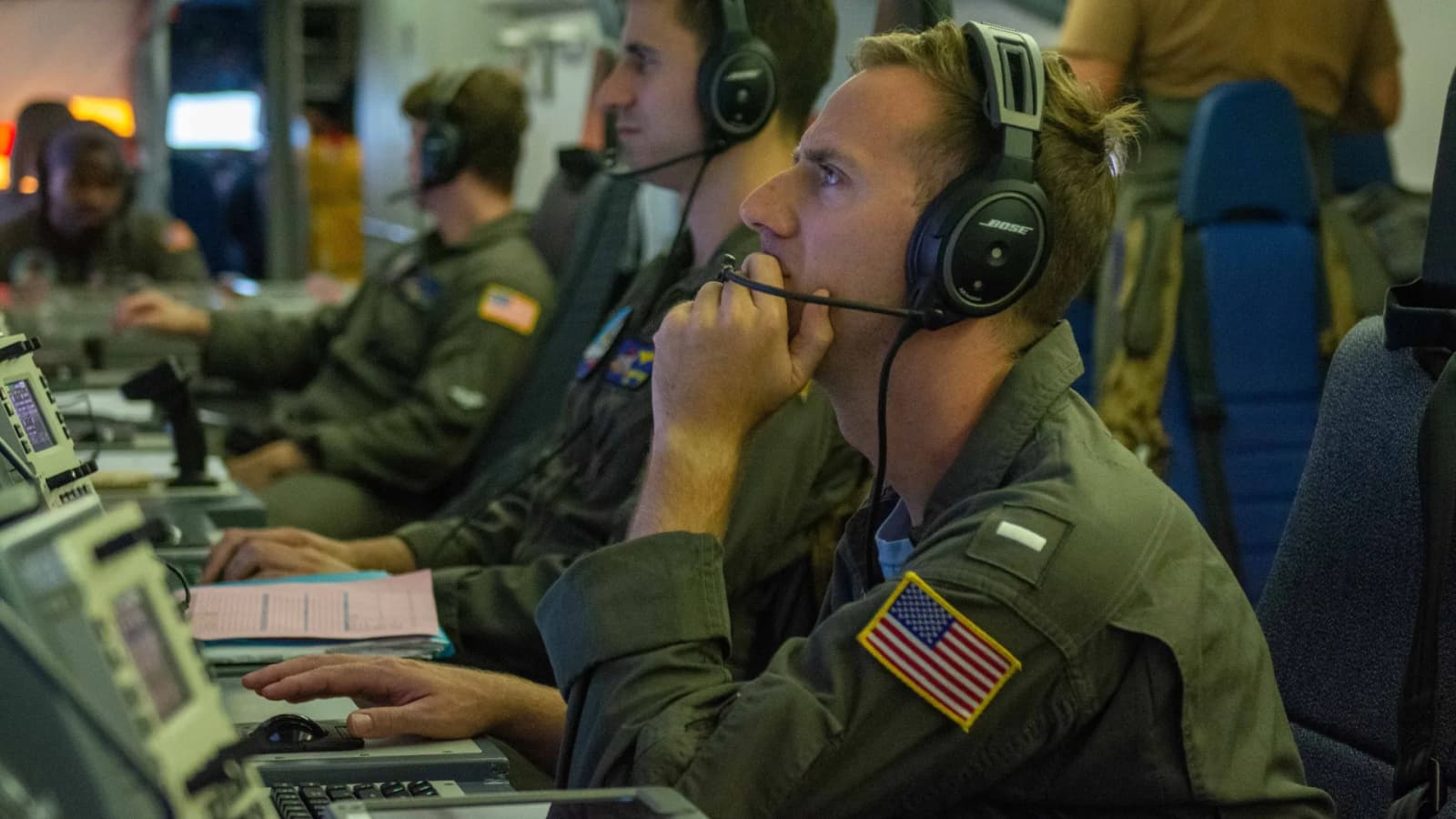
US P-8 Poseidon begins patrols over the Black Sea
The aircraft is conducting reconnaissance and watching for activity that could pose a risk, Prime Minister Rumen Radev said. The Defence Ministry called it part of heightened vigilance measures.
 English