
EstoniaRussia–Ukraine War
 Estonia
Herem: A lull in the war in Ukraine could increase the risk to the Baltic states
According to Martin Herem, Russian forces’ commitment in Ukraine limits the likelihood of aggression against the Baltic states. Estonia is focusing on whole-of-state preparedness and the rapid reception of allied reinforcements.
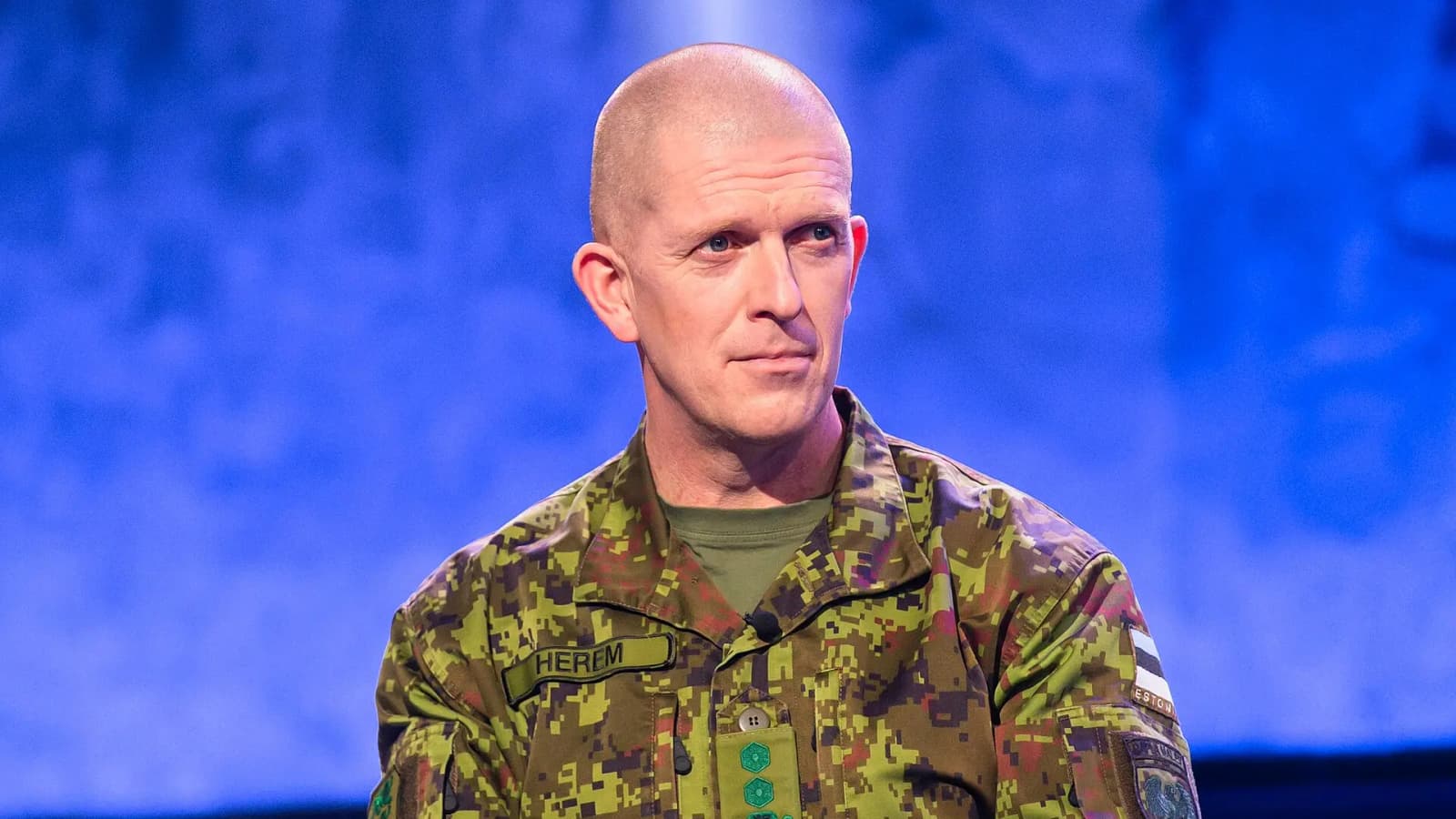
An end to, or a significant lull in, the war in Ukraine could free up Russian military resources and increase the risk to the Baltic states, warns Estonian Defence Minister Martin Herem. In an interview with the Polish defence and security website Defence24, published on 17 November 2026, he assesses Russian aggression against them as unlikely while Moscow’s forces remain heavily committed in Ukraine.
Herem warns of risks if the war subsides
Herem warns that Moscow could use military aggression to undermine confidence in NATO and force European states to accept Russian demands. This is an assessment of possible Russian behaviour, not an announcement that a decision to attack has been taken.
In Flank’s assessment, the key question for defence planning is not only whether Russia will free up forces from Ukraine, but also what condition those forces will be in. Their reconstitution, supply and deployment would determine the scope for another operation. The interview provides no numerical estimate or timeframe for such a redeployment, so the warning should not be interpreted as a prediction of imminent war.
Estonia and the reception of allied reinforcements
In its introduction to the interview, Defence24 highlights one of Herem’s priorities: enabling Estonia to receive and sustain substantial allied forces quickly, rather than relying solely on more permanently stationed troops. The minister also stresses Poland’s importance to the defence of the Baltic states.
The question of allied assistance therefore encompasses not only troop numbers, but also readiness to move, receive and supply them. A permanent presence and arriving reinforcements perform related tasks; the statement provides no grounds for treating them as interchangeable.
Preparedness involves the whole state
Herem describes preparation for possible military aggression as a task for the whole state: society, state bodies, businesses and the armed forces. His priorities include a better understanding of military threats and ways to reduce them. He says the armed forces are already working on their preparedness.
For Bulgaria, the connection is to allied planning within NATO and the readiness of institutions and infrastructure to support defence and the reception of reinforcements. The Estonian minister’s statement contains no warning of a specific threat to Bulgaria or any decision to change Bulgarian forces.
Why This Matters for Bulgaria
For Bulgaria, the specific connection is to allied planning within NATO and readiness to receive reinforcements. The statement identifies no specific threat to Bulgaria or any decision to change Bulgarian forces.
Sources
1 independent report
Independent reporting
Defence24 · defence24.com
‘We are not NATO's flank. We are the centre.’ Estonia's defence minister warns about RussiaVerified media
Linked to this story
 Russia
 Ukraine
 NATO
Related topics

Oslo, NorwayRussia–Ukraine War
 Oslo, Norway
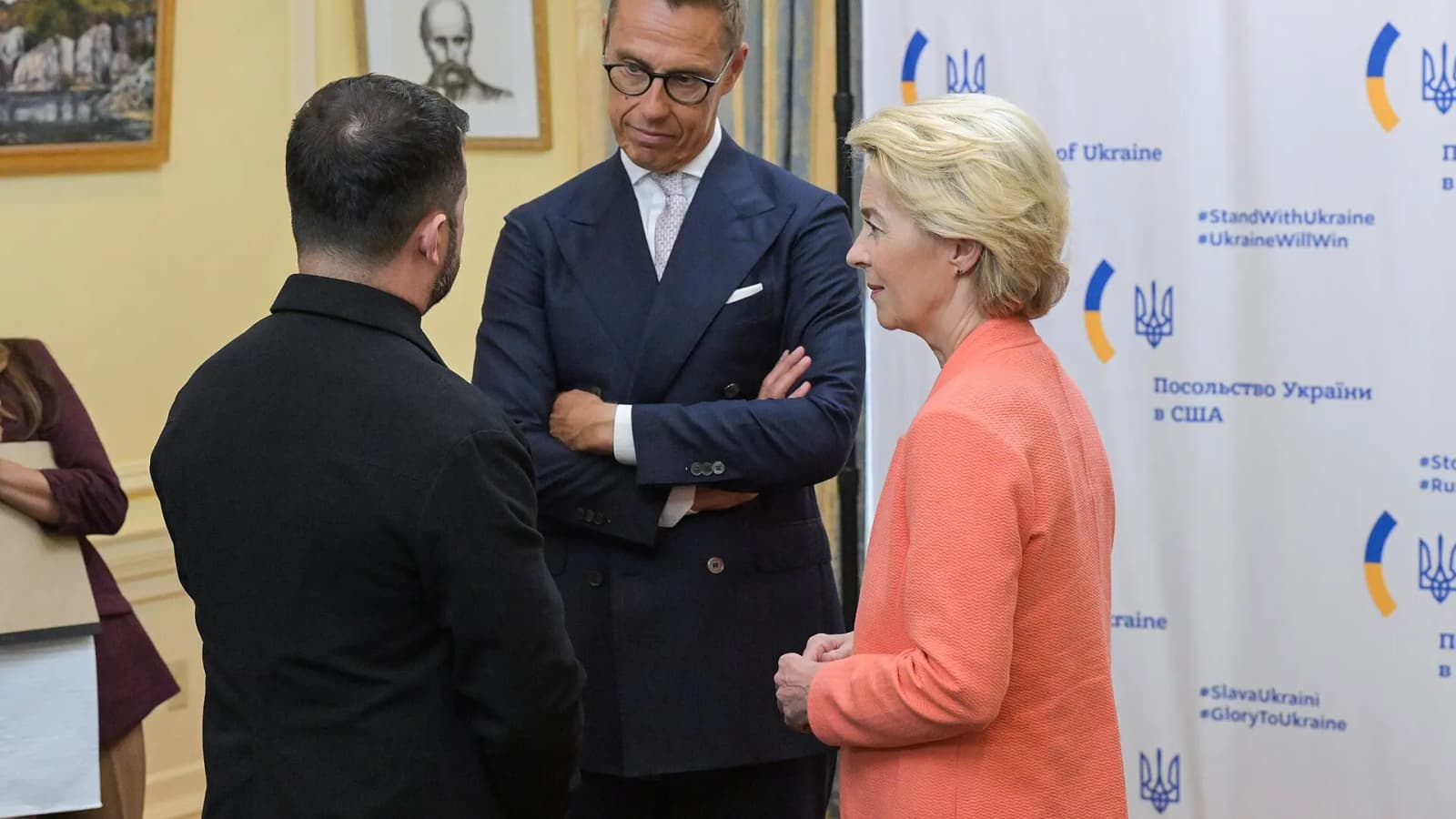
German defence official Schäfer calls populists who would abandon NATO and Ukraine ‘traitors’
Martin Schäfer called for such political forces to be kept out of power in Europe, the British online defence publication UK Defence Journal reports. According to the co-organisers’ official statement, participants at the forum in Oslo backed continued support for Ukraine and described NATO as the foundation of collective security. The statement was published by the UK Ministry of Defence.
FinlandRussia–Ukraine War
 Finland
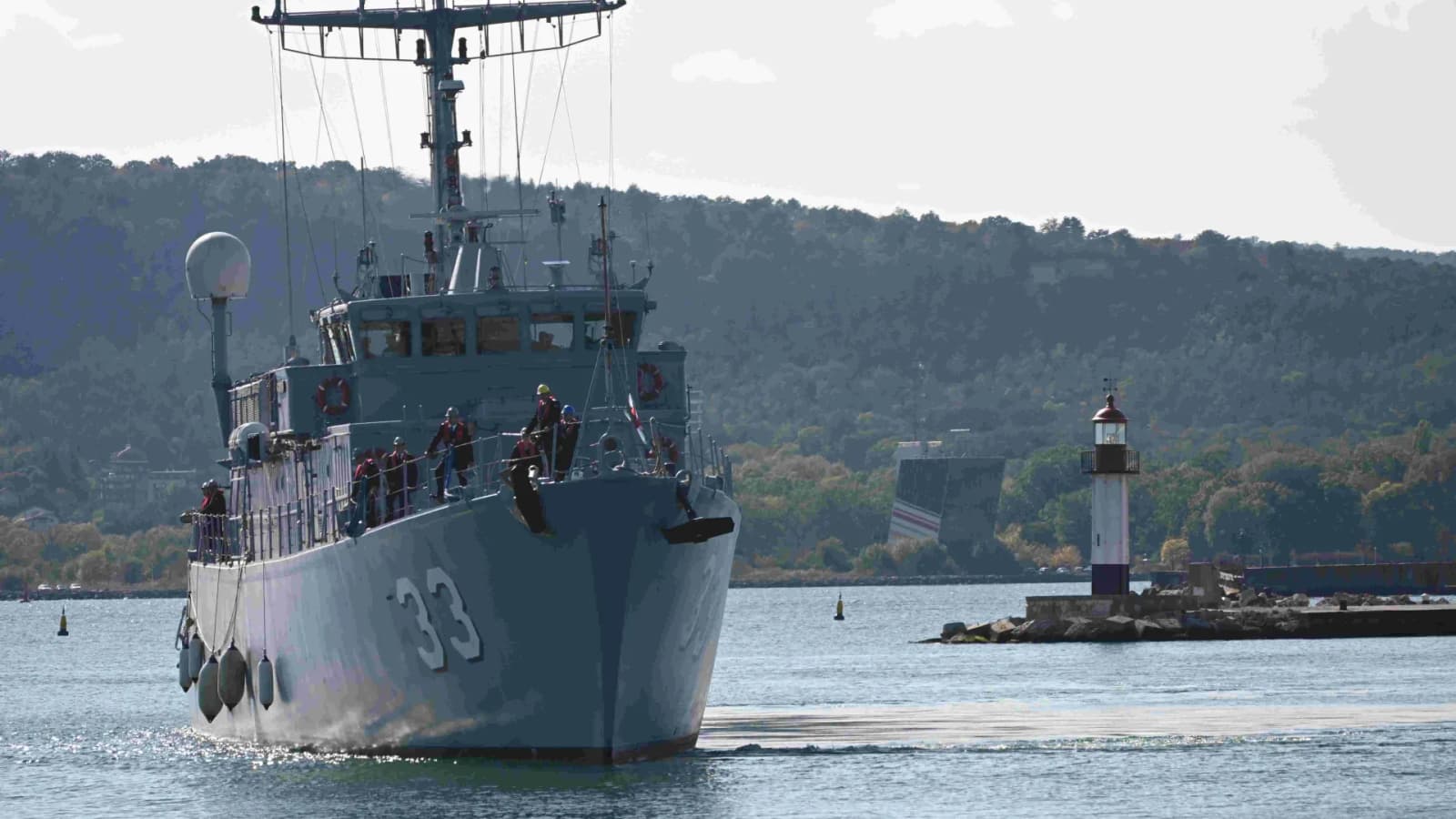
Finnish President Alexander Stubb presents Putin call as part of Baltic deterrence
According to Defence24, the Finnish president explains the contact with Moscow in terms of the need for strategic stability and reaffirming support for Ukraine. Yle reports that Norwegian Prime Minister Jonas Gahr Støre also took part in the call.
Brussels, BelgiumMilitary Infrastructure
NATO says undersea cable incidents in the Baltic have dropped drastically, while the Black Sea has no such mission
NATO Assistant Secretary General Christian Buck told the European Parliament that incidents involving undersea infrastructure have dropped drastically since Baltic Sentry began. On the Black Sea, he said Bulgaria, Romania and Türkiye have not asked NATO to operate there.
 English