
FinlandCybersecurity
Kesko investigates refrigeration disruptions at Finnish supermarkets amid cyberattacks across Europe
Temperatures in the refrigeration equipment of several smaller K-market stores in Finland deviated from their settings overnight. Kesko is investigating the cause and has not ruled out interference via the network. Retailers in eight other European countries, including Estonia, reported similar incidents; who is behind them has not been established.
Finnish retail group Kesko said on 2 November 2026 that temperatures in the refrigeration equipment of several smaller K-market stores had deviated from their settings overnight. The affected stores, among them stores in Helsinki, have refrigeration systems outside the group’s central network protection. Automatic alarms went off at some of them, while at others staff found the problem in the morning, Yle reports. According to the store operators, the equipment is working normally again.
Kesko’s security manager Petri Käyhkö said the cause was being investigated and that interference via the network had not yet been ruled out. Finland’s other large grocery chain, S Group, has not seen similar disruptions, its risk management manager Janne Ahtoniemi said.
What the Finnish authorities say
Finland’s National Cyber Security Centre has received reports of successful intrusions and limited damage, specialist Juha Tretjakov told Ilta-Sanomat, as cited by Helsinki Times. After the attack on French supermarkets in October, Finnish authorities identified several dozen refrigeration controllers made by the Danish firm Danfoss that were reachable over the internet, and contacted their owners to secure them.
Incidents in eight other countries
According to a Euronews overview with AFP, supermarket refrigeration disruptions on 2 November were reported in nine countries in all: Belgium, Italy, Ireland, Luxembourg, the Netherlands, Portugal, Sweden, Finland and Estonia.
- Belgium: dozens of stores of several chains were hit. Delhaize reported an overnight “IT incident” affecting cooling at some of its stores in Belgium and Luxembourg, Reuters reports. Carrefour said 15 of its 700 stores in the country were affected, and a spokesman told AFP: “It’s a cyberattack, there is no other reason.” Federal prosecutors have opened an investigation.
- Sweden: Coop confirmed a “cyber incident” involving unauthorised tampering with the refrigeration systems of seven of its roughly 800 stores, according to Reuters.
- Estonia: at least one supermarket was hit; according to the public broadcaster ERR, the temperature in its refrigeration units was raised to 50°C. A director of the refrigeration firm Kitman Coldtech said the systems were older Danfoss units similar to those attacked in France.
Reuters reports that at least some of the affected units used temperature-control technology from Danfoss; the company said it had been working with customers to implement fixes.
Who is behind the attacks
No one has claimed responsibility for the incidents of 2 November or for the attack on French supermarkets in October, and no authority has named a perpetrator. “It is not known who is behind this attack, and it may never be determined,” said Katrien Eggers, spokesperson for Belgium’s Centre for Cybersecurity. Nor has it been established whether the two waves were carried out by the same actors.
EU Agriculture Commissioner Christophe Hansen called the incidents “a deliberate attempt to disrupt our food supply chain”.
The disruptions hit civilian infrastructure, not military sites, but they show how exposed outdated internet-connected systems can be, including in countries on NATO’s eastern flank such as Finland and Estonia. Flank will update this story when Kesko or the Finnish authorities give the cause.
Sources
2 independent reports3 secondary reports
Independent reporting
Euronews · euronews.com
Which countries in Europe have been hit by supermarket fridge cyber incidents?Verified mediaReuters · cnbc.com
New cyberattack on supermarket fridges sweeps across EuropeNews agency
Secondary reporting
Yle News · yle.fi
Yle NewsVerified mediaHelsinki Times · helsinkitimes.fi
Cyberattacks hit supermarket refrigeration systems across EuropeOtherThe Record · therecord.media
Second wave of suspected cyberattacks hits supermarket freezers across EuropeOther
Linked to this story
 Estonia
 Finland
Related topics
BulgariaDefence
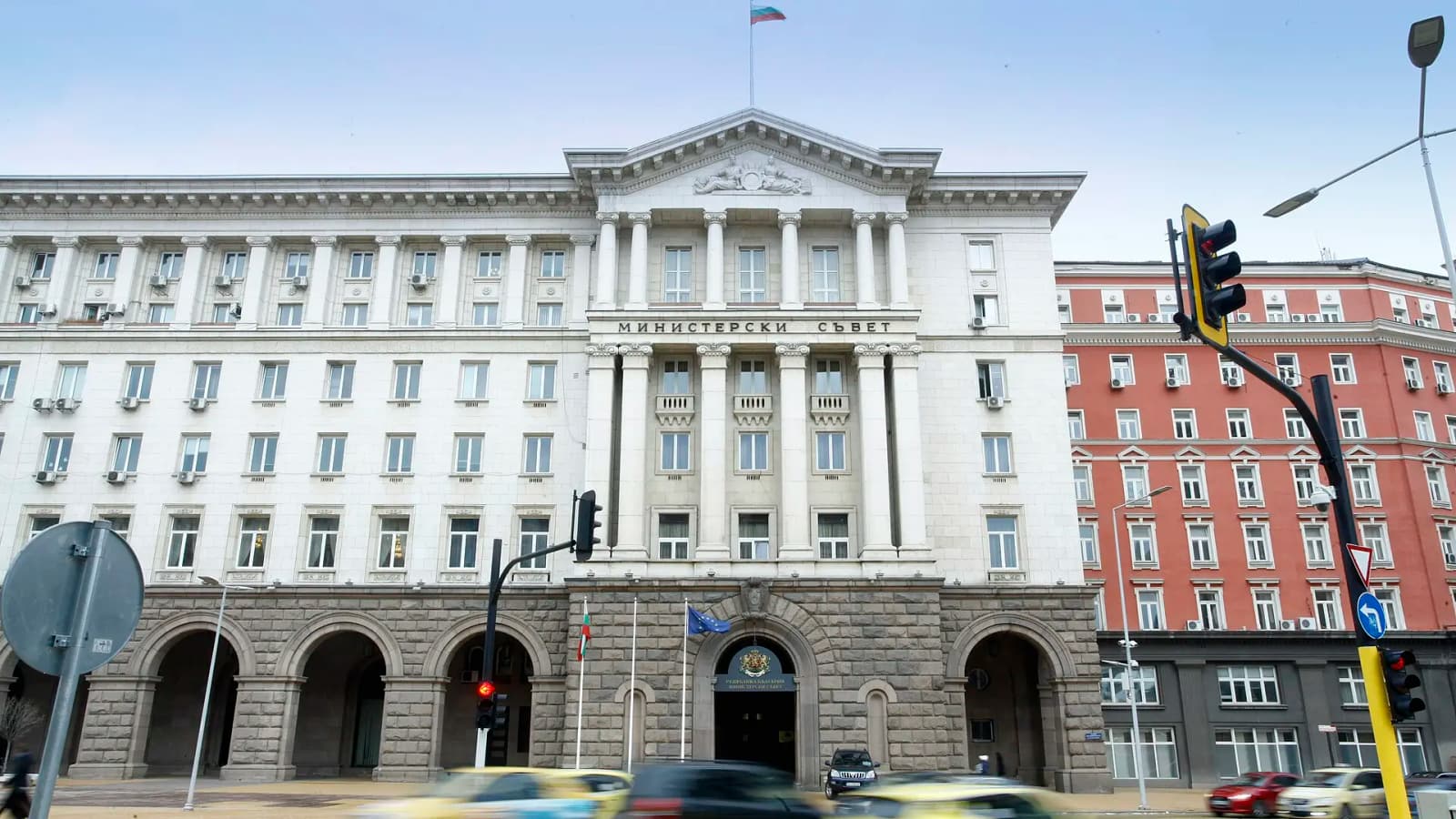
Cabinet has approved amendments to Defence Act
The bill covers approval of military investments, conditions of service and the use of weapons against unmanned systems. The official agenda confirms that consideration was planned, but not that the bill was approved.
Kirkenes, NorwayDrones
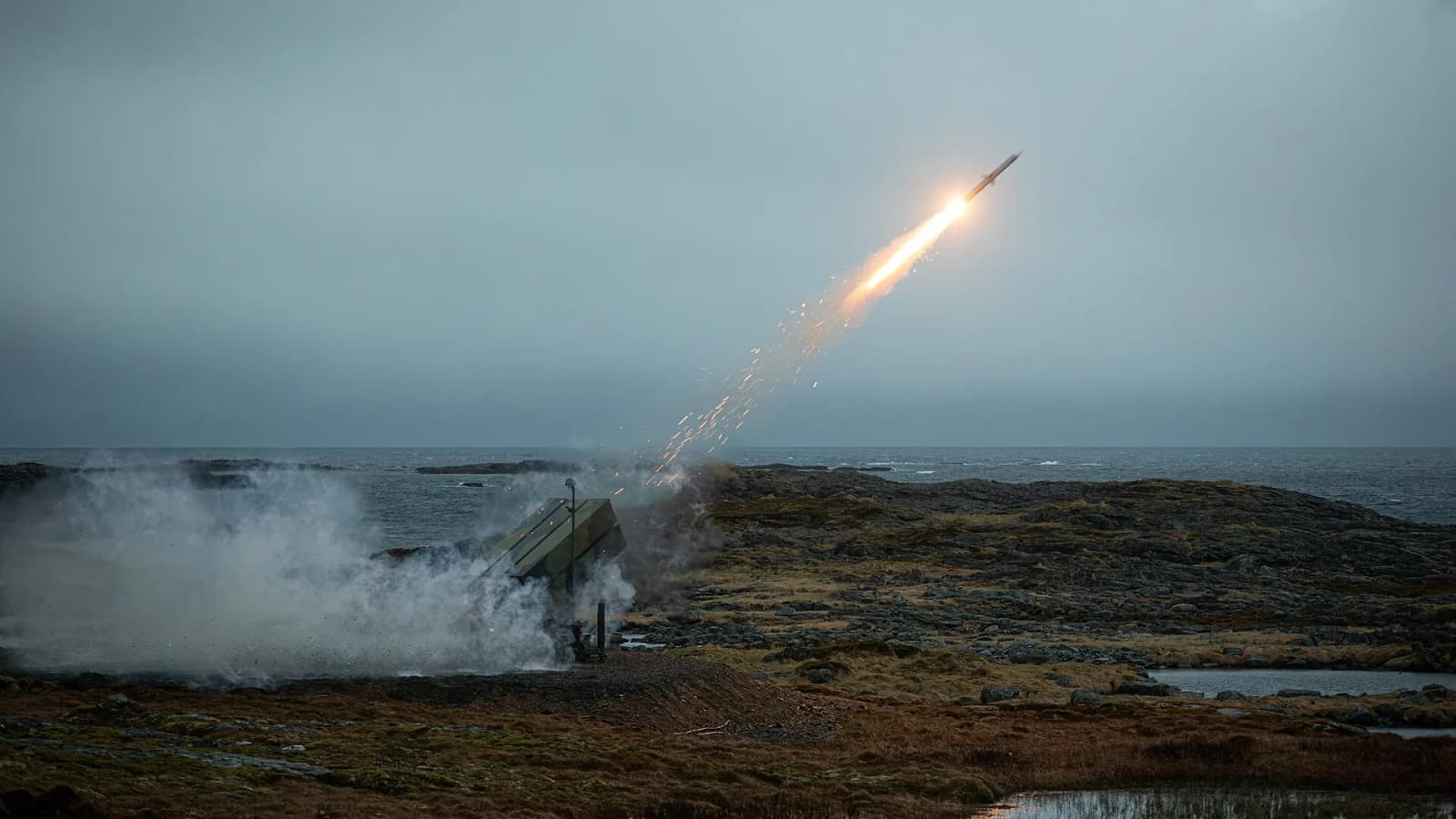
Norway deploys NASAMS sensors near Russian border
Defence Blog, citing a press release from Norway’s Ministry of Defence, reports that the NASAMS sensors deployed in Kirkenes are intended to detect drones that have strayed off course into Norwegian airspace. The statement does not confirm the deployment of a complete air defence battery.
BulgariaMilitary Aviation
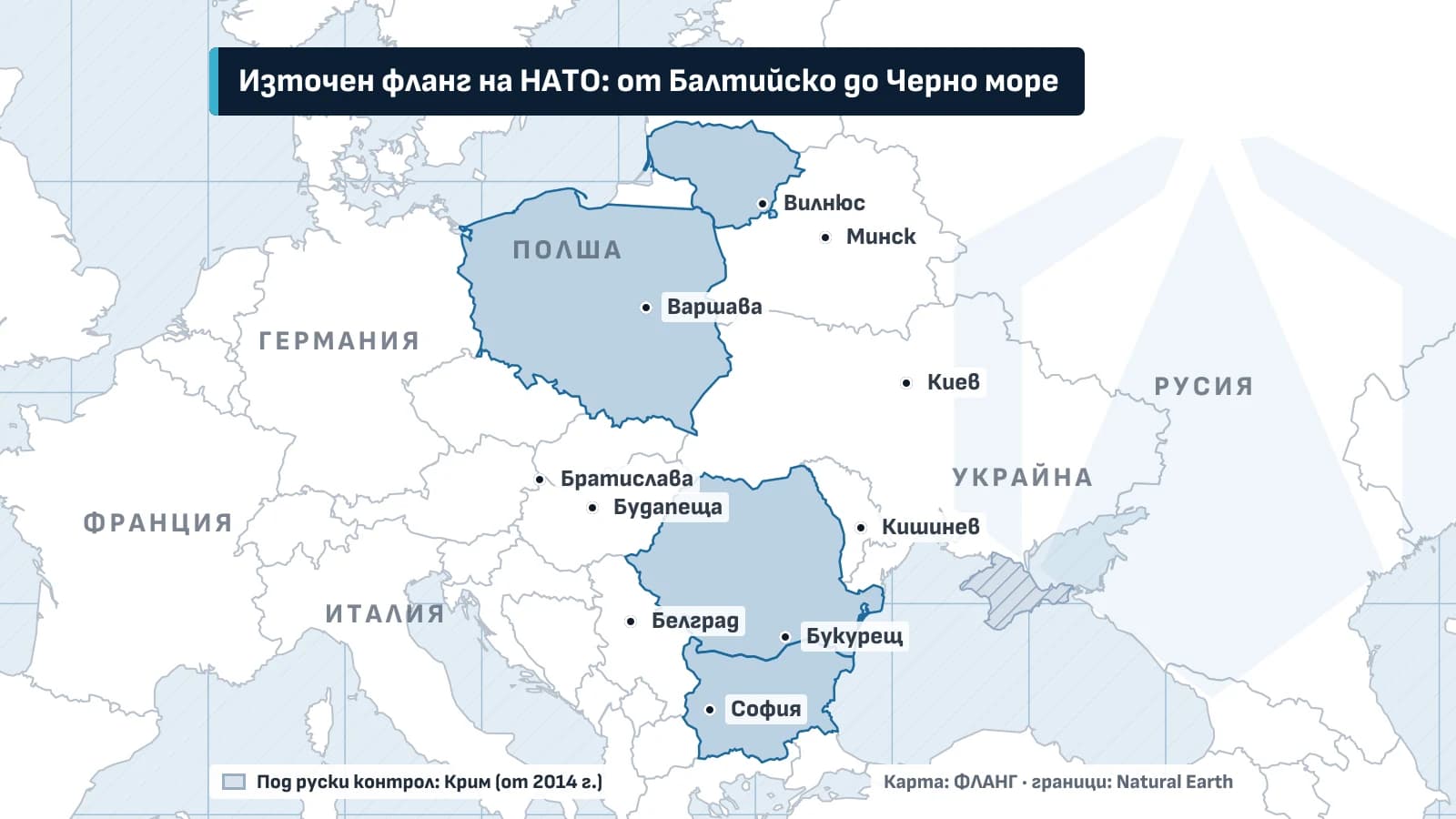
Reports of GPS interference from the southern Baltic Sea through Lithuania, eastern Poland, Romania and Bulgaria
The report describes navigation interference from the Baltic to the Black Sea. There is no independent confirmation, and the dates of the alleged event.
Camenca, MoldovaMilitary Aviation
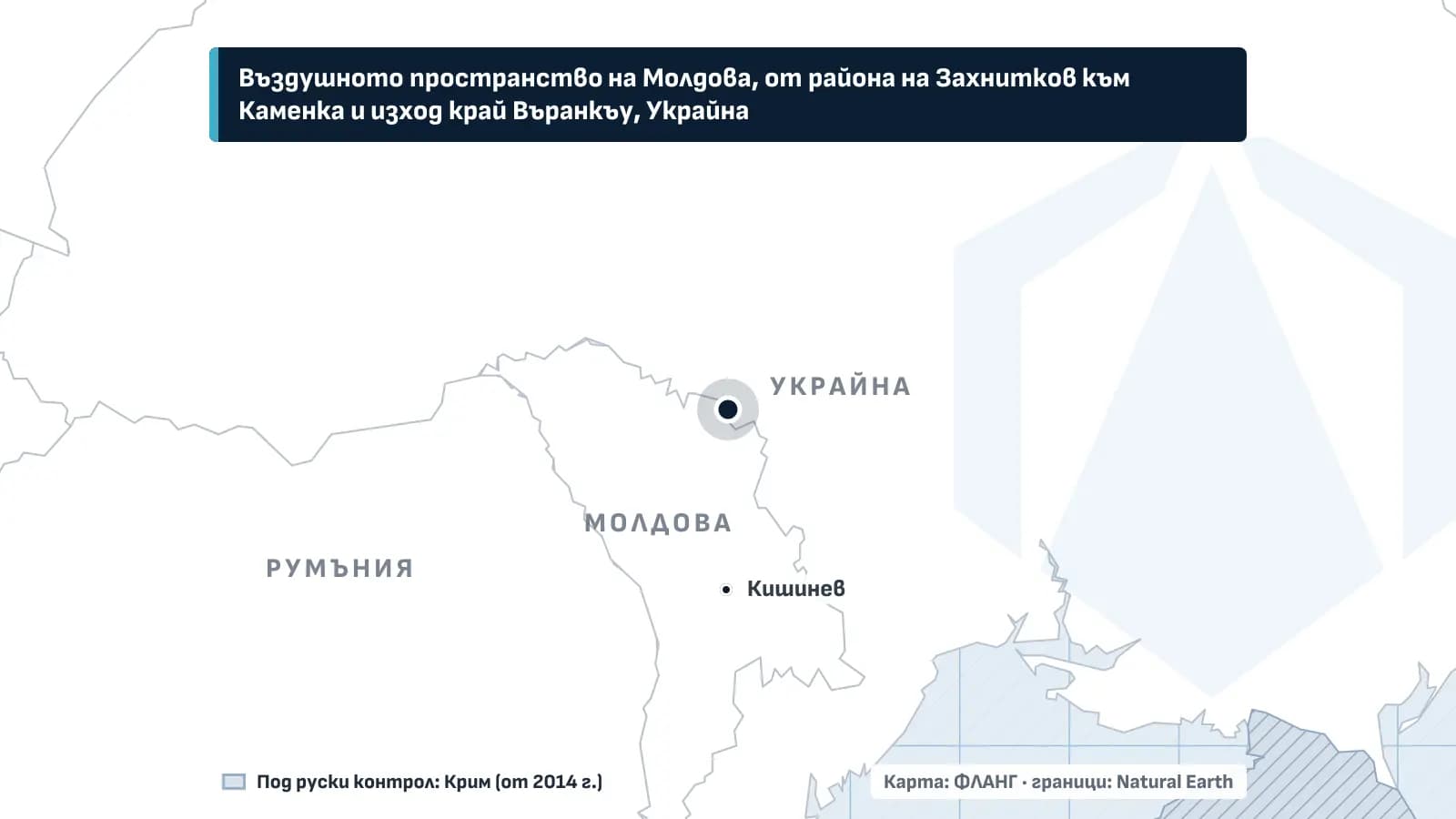
Drone entered Moldova from Ukraine
News.ro and Digi24, citing deschide.md and NewsMaker.md, report that a drone entered Moldovan airspace from the direction of Odesa region at 04:23 on Wednesday morning. Both outlets cite the same Moldovan publications, and there is as yet no independent confirmation of the flight.
 English