
Berlin, GermanyGeopolitics
Nausėda: Some Russian attacks described as ‘hybrid’ are kinetic
The Lithuanian president described the term ‘hybrid threats’ as a ‘convenient euphemism’, LRT reported. His position raises the question of whether the blanket label downplays actions with physical consequences.

Lithuanian President Gitanas Nausėda criticised the use of the term ‘hybrid threats’ at the opening of the Berlin Security Conference on 3 November 2026, LRT reported. He said some recent attacks were essentially kinetic. The conference is jointly organised by Germany and Lithuania. The account of his remarks comes from LRT; at the time of publication, Flank had found no independent confirmation of the specific attacks or their attribution to Russia.
‘Hybrid’ and ‘kinetic’ are not opposites
According to LRT, Nausėda calls ‘hybrid threats’ a ‘convenient euphemism’ and links sabotage and other operations to Russia. This is the Lithuanian president’s position, not independently established responsibility for specific attacks. It is unclear which incidents he describes as kinetic, what damage they caused and what evidence underpins their attribution to Moscow.
The two terms describe different things. ‘Hybrid’ refers to the combination of different instruments, while ‘kinetic’ refers to the physical impact of a specific action. An operation can have both characteristics.
In Flank’s assessment, Nausėda’s message is a call not to downplay actions with physical consequences by applying a blanket political label. Describing them more explicitly, however, does not in itself establish who carried them out or determine the Allied response. LRT does not report any new NATO decision or specific response measures.
Germany’s presence and defence projects in Lithuania
In the same address, Nausėda emphasises the strategic partnership with Germany and the importance of deploying Germany’s 45th Armoured Brigade to Lithuania.
LRT reports that a Rheinmetall artillery ammunition factory is already under construction in Lithuania and that a joint project with KNDS to assemble, maintain and repair Leopard tanks has begun. Flank has found no independent confirmation of the status of these projects; their timelines, capacity and contractual terms have not been specified.
The military presence, ammunition production and equipment repair perform different functions: providing forces, supplies and technical support. They can complement one another and strengthen defence resilience, but their actual impact depends on the readiness of the formations and the availability of operational production and repair facilities.
Sources
1 secondary report
Secondary reporting
Lithuanian National Radio and Television (LRT) · lrt.lt
Lithuanian president criticises ‘hybrid threat’ term, says some Russian attacks ‘kinetic’Verified media
Linked to this story
 Lithuania
 Russia
 Rheinmetall
Related topics
Chisinau, MoldovaGeopolitics
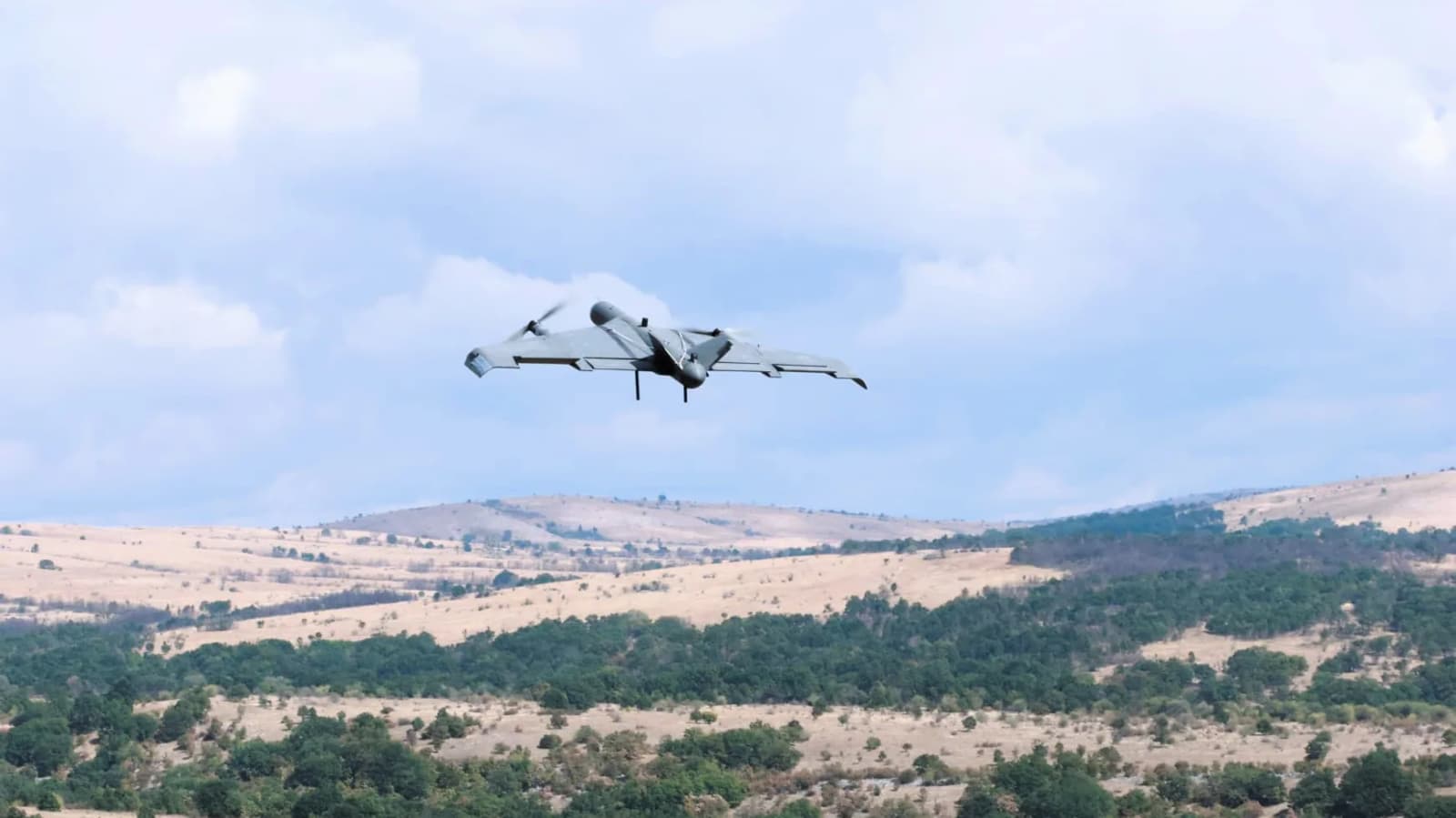
Romanian prime minister announces coordination with Moldova against hybrid attacks and drone incursions
According to Romanian media, Luca Niculescu said Bucharest and Chisinau are coordinating their actions against hybrid attacks and drone incursions. He did not specify any operational measures.
RomaniaRussia–Ukraine War
 Romania
Photo reportedly shows Russian Filin missile on ground launcher
Ukrainian military intelligence has already described a weapon of this name and published information about its components. However, the photograph’s authenticity and the claimed specifications remain independently unconfirmed.

RomaniaRussia–Ukraine War
Romania condemns attacks on Black Sea merchant ships at OSCE
Bucharest also presented the organisation with its allegation that the fire at the Carfil industrial site in Brașov was the result of Russian sabotage. The statement records Romania’s position but provides no evidence of the responsibility attributed to Russia.
KaliakraAnalysis
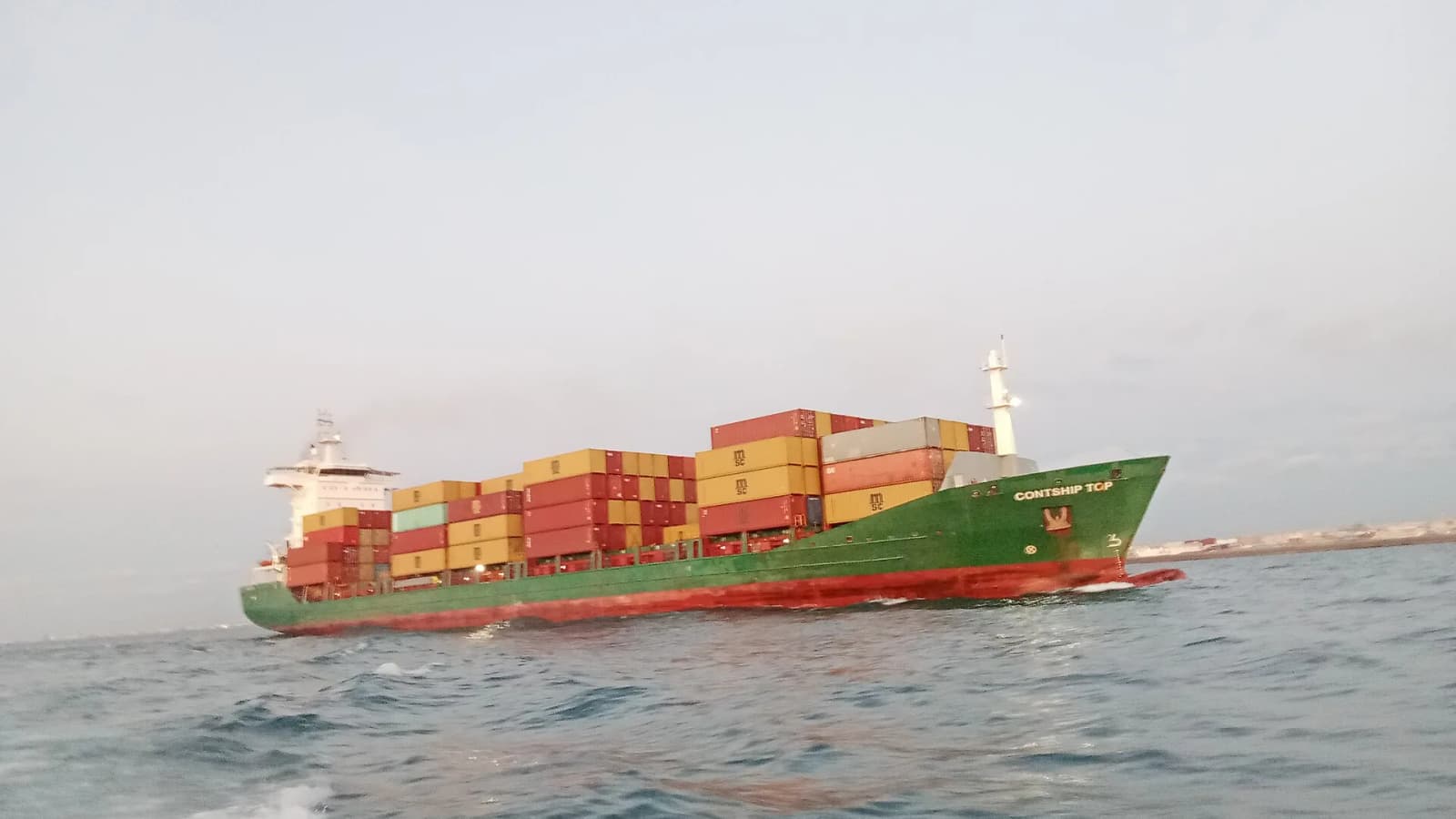
Strike off Kaliakra tests maritime surveillance and allied coordination
The attack on CONTSHIP JET exposed the difference between surveillance, rescue and preventing a strike. In Flank’s assessment, the central question is whether the announced regional coordination will translate into effective warning and protection, without substituting political assumptions for the unknown perpetrator.
 English