
RussiaRussia–Ukraine War
 Russia
Rutte expects negotiated end to Ukraine war but warns of lasting Russian threat
According to Romanian news channel Digi24, NATO’s Secretary General considers an agreement more likely than a decisive victory for either side. He warns that an end to the fighting will not remove the Russian threat to Europe.
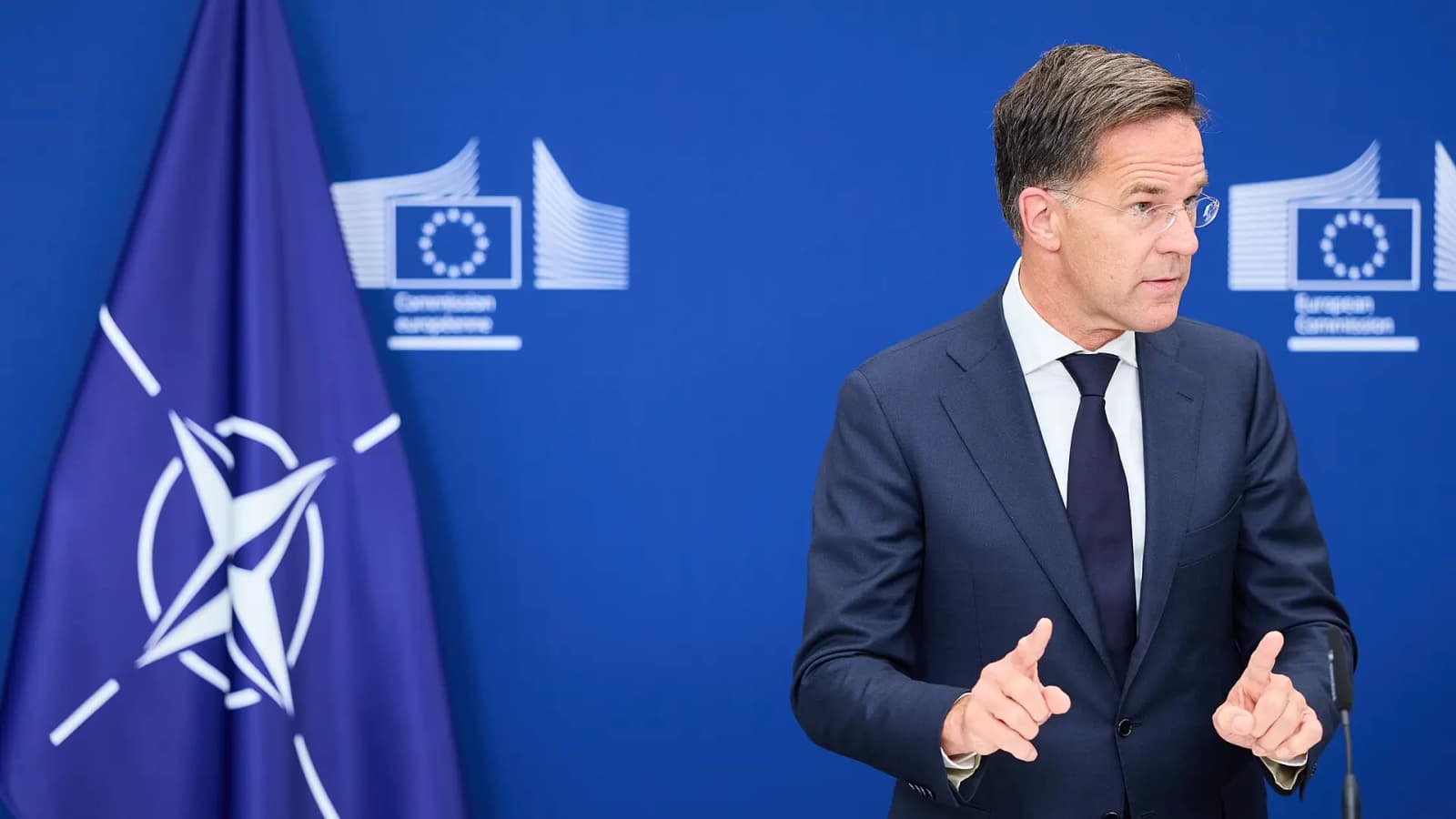
NATO Secretary General Mark Rutte expects the war between Russia and Ukraine most likely to end in a negotiated peace agreement involving compromise, Digi24 reports in an article dated 6 November 2026. The information comes from a single secondary source. Flank had found no independent confirmation of the remarks at the time of publication, and their date and location are not given.
Rutte expects compromise but does not report an agreement
Digi24 reports Rutte’s assessment that a decisive victory for Russia or Ukraine is unlikely. This is a forecast of the war’s outcome, not an announcement of agreed peace terms. It does not mean that Moscow and Kyiv have accepted a compromise or agreed on a timetable and guarantees for its implementation.
According to the broadcaster, Rutte describes the US as indispensable to Europe’s defence and security. It also attributes to him the view that, at present, only Washington can provide some of the military capabilities Ukraine needs. No specific systems or deliveries are identified, so this assessment cannot be linked to particular weapons.
Rutte warns Russia will retain a large army after the war
According to Digi24, Rutte warns that Russia will retain a large army after the war and that Russian forces could pose a threat to other European countries. The warning does not mean that any specific future regrouping or decision to attack another country has been established.
A military assessment requires more than troop numbers: readiness, training, losses and the supply of forces also matter. Without such information, it is not possible to determine reliably when, or on what scale, Russia might use formations freed up from the front for other tasks.
In Flank’s assessment, the relevance to Bulgarian defence planning lies in the distinction between ending the war and achieving a lasting reduction in military risk. A possible peace agreement is not, in itself, sufficient grounds for relaxing defence readiness. However, the remarks do not establish a specific new threat to Bulgaria or a change in force deployments in the Black Sea.
Sources
1 secondary report
Secondary reporting
Digi24 · digi24.ro
Mark Rutte: O victorie categorică a Ucrainei sau a Rusiei este puțin probabilă. „Războiul se va încheia cu un compromis”Verified media
Linked to this story
 Ukraine
 NATO
Related topics
WarsawRussia–Ukraine War
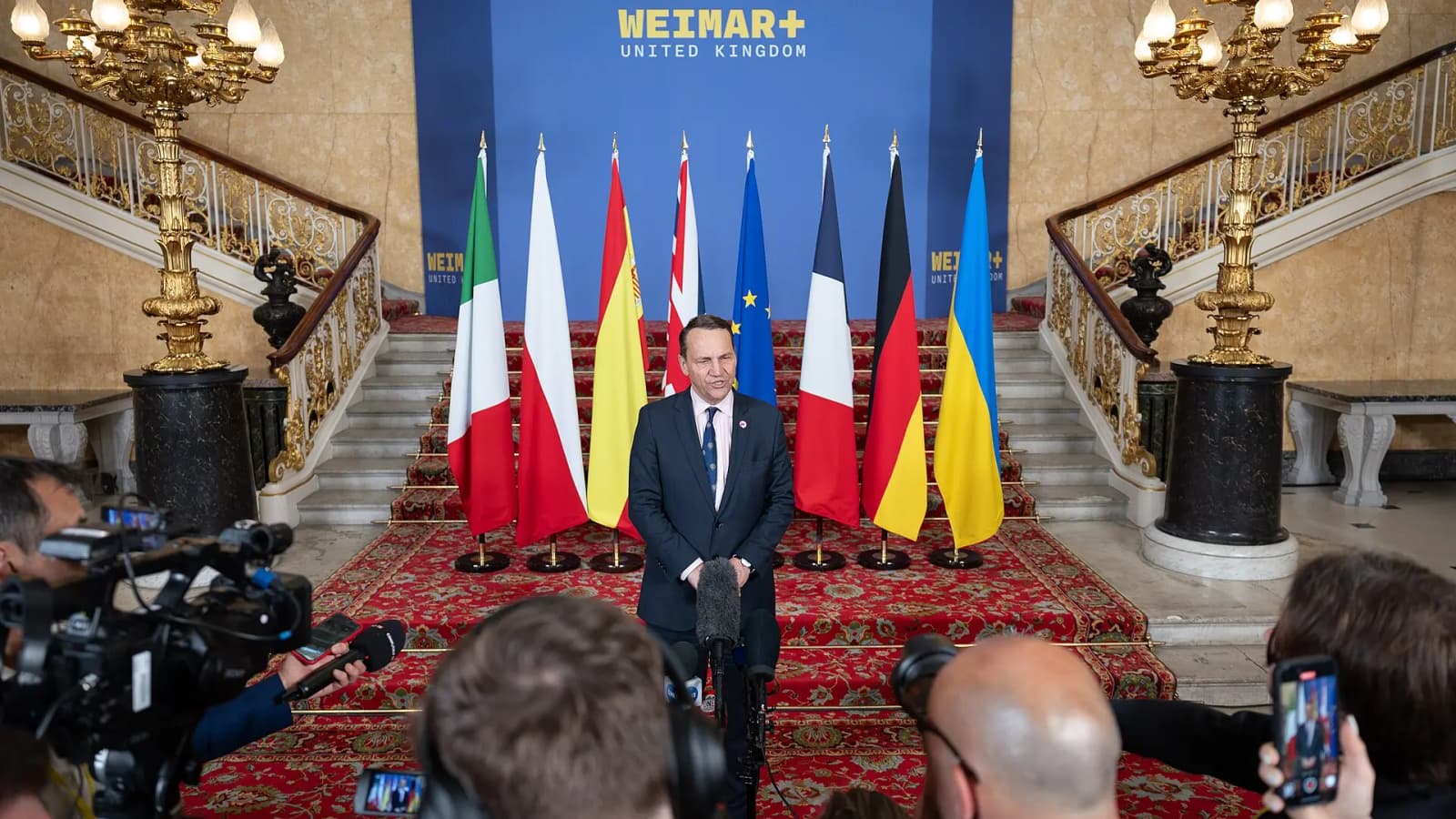
Polish foreign minister calls for Eastern Europe and Scandinavia to join talks with Russia
Poland’s foreign minister warns against reaching an agreement with Moscow without taking account of the interests of the countries most directly affected. His position raises the question of who will help set the terms for ending the war in Ukraine.
BucharestDrones
NATO monitors attacks on merchant ships in the Black Sea: four ships in one night
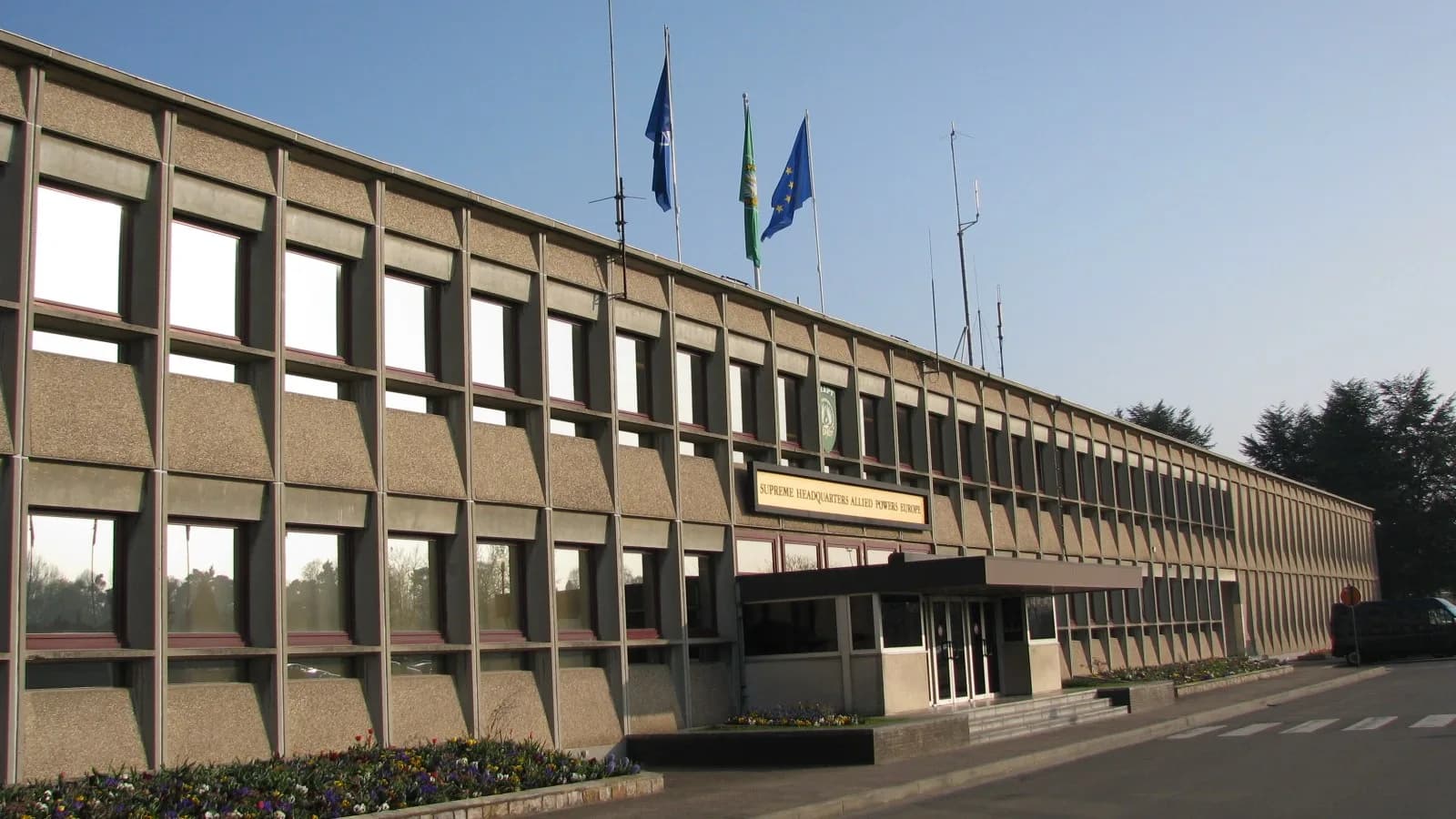
NATO’s top commander in Europe is in close contact with allies, and Romania is asking the alliance for equipment to protect shipping.
SofiaGeopolitics
Radev links new Black Sea ship attacks to Romanian accusations against Russia
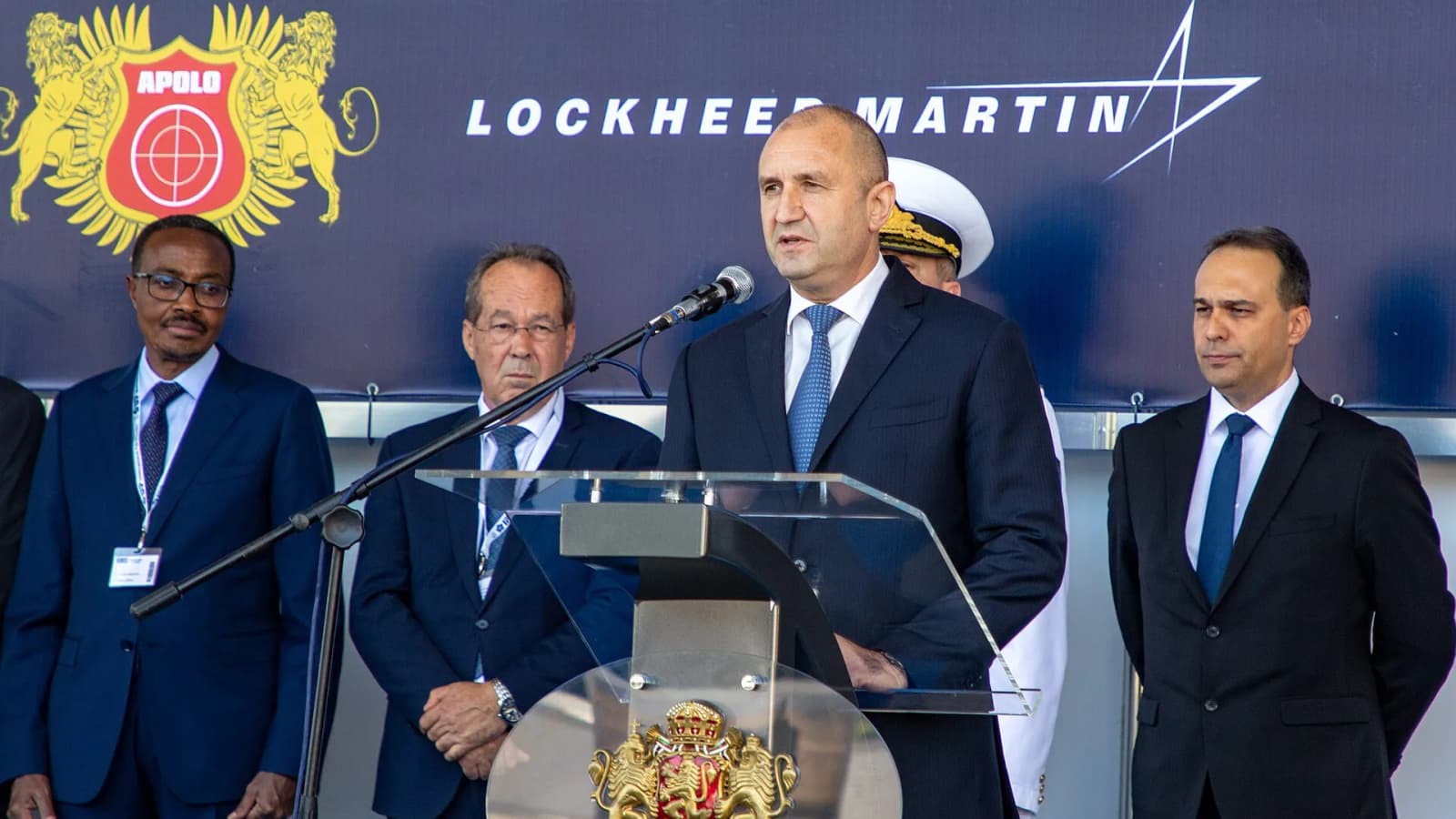
Digi24 and HotNews report remarks by Rumen Radev in which he calls for evidence of responsibility for the attacks. At the same time, they attribute to him the claim that Bucharest’s accusations led to further strikes — a causal link for which they provide no evidence.
Camenca, MoldovaMilitary Aviation
 Camenca, Moldova
Drone entered Moldova from Ukraine
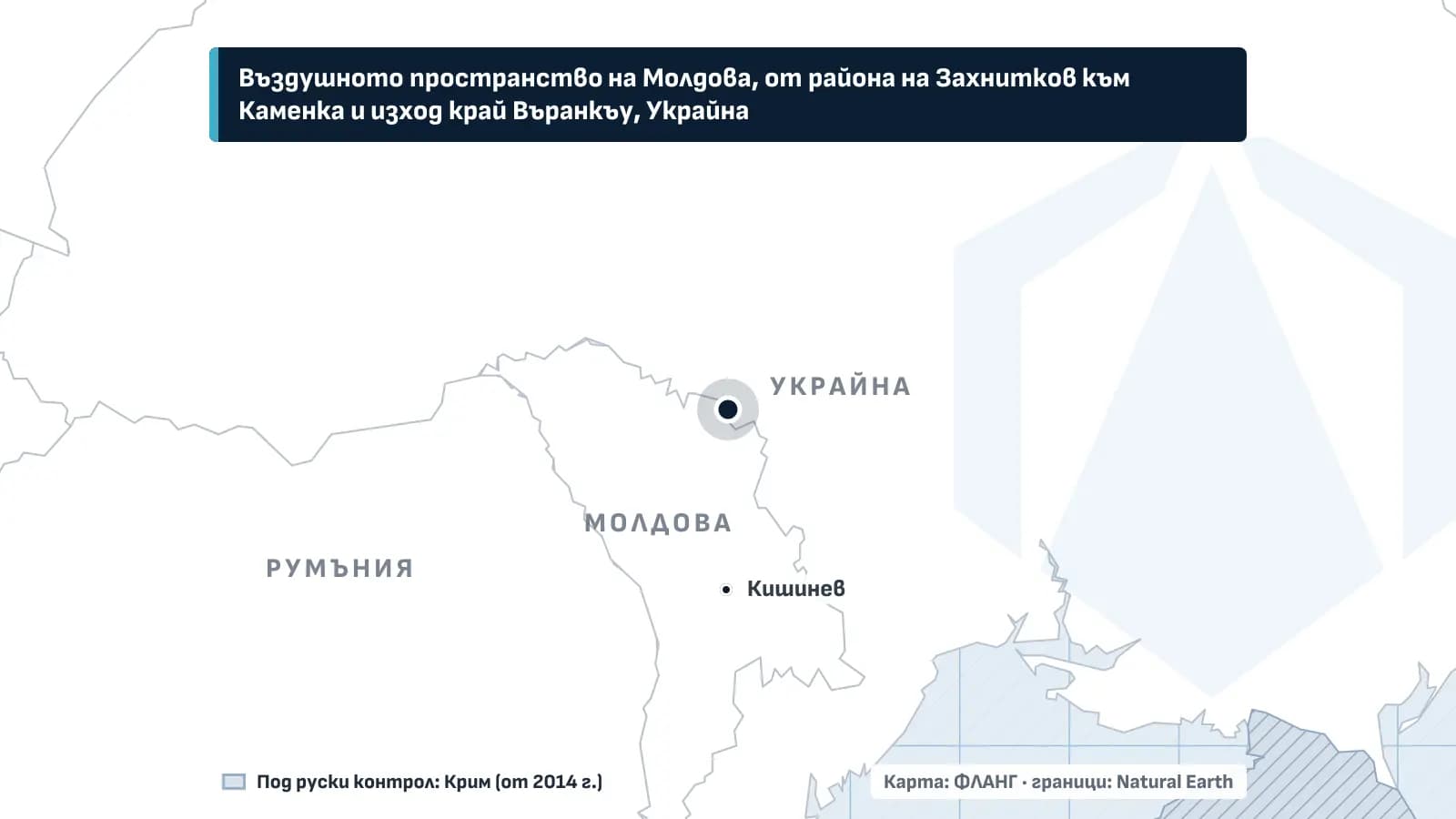
News.ro and Digi24, citing deschide.md and NewsMaker.md, report that a drone entered Moldovan airspace from the direction of Odesa region at 04:23 on Wednesday morning. Both outlets cite the same Moldovan publications, and there is as yet no independent confirmation of the flight.
 English