
Stara Pazova, SerbiaMilitary Aviation
 Stara Pazova, Serbia
Serbian MiG-29 fighter crashes near Belgrade, killing the pilot
The aircraft of the 204th Air Brigade came down in a field near Stara Pazova on 17 November. Serbia’s Defence Ministry is investigating the cause.

Contents
A MiG-29 fighter of the Serbian Armed Forces’ 204th Air Brigade crashed at about 08:45 on 17 November in a field near the town of Stara Pazova, some 50 km north-west of Belgrade. The pilot, Major Goran Bulajić, was killed, Serbia’s Defence Ministry said, as reported by the Associated Press.
The pilot
Major Bulajić was born in Belgrade on 25 March 1973 and had served in the Serbian Armed Forces since 1996. He leaves two children, the Ukrainian outlet Militarnyi reported. Defence Minister Bratislav Gašić and Lieutenant General Tiosav Janković, Acting Chief of the General Staff and Commander of the Air Force and Air Defence, expressed their condolences to his family, Aviation News reported. Janković went to the crash site.
The investigation
The Defence Ministry set up a commission to investigate the incident, and the Serbian Air Force formed a special expert commission to establish the cause and circumstances. Military police, firefighters and ambulances were sent to the site, and the prosecutor was notified. The cause of the crash has not been announced.
The aircraft came down in a field between Stara Pazova and Nova Pazova, according to Serbian media cited by the Turkish agency Anadolu. Photos on social media showed burning wreckage and thick black smoke over the site.
Serbia’s MiG-29s
Serbia has 14 MiG-29 fighters, 11 single-seat and 3 two-seat, which are being upgraded to the SM standard, the aviation outlet Key.Aero reports. Some of them were donated by Russia. In August 2024 Belgrade signed a contract with France for 12 Rafale fighters worth about €2.7 billion, intended to replace the MiG-29 fleet, Defense News reported.
Sources
1 primary or official4 independent reports1 secondary report
Primary / Official
ABC News (AP) · abcnews.com
Military jet crashes in Serbia and the pilot is killed, authorities sayPrimary sourceVerified media
Independent reporting
Militarnyi · militarnyi.com
Serbian MiG-29 Fighter Crashes, Pilot DiedVerified mediaAviation News · aviationnews.eu
Serbian Air Force MiG-29 Crashes Near Stara Pazova, Killing PilotVerified mediaDefense News · defensenews.com
Serbia to buy 12 Rafale fighter jets in nod to European industryVerified mediaKey.Aero · key.aero
Serbian Air Force and Air DefenceVerified media
Secondary reporting
Anadolu Agency · aa.com.tr
Serbian military pilot reportedly killed as MiG-29 fighter jet crashes near BelgradeNews agency
Linked to this story
Related topics

KyivMilitary Aviation
Poland and Ukraine finalise details of MiG-29 exchange for Ukrainian technology
Warsaw plans to supply two more MiG-29s, Defence24 reports. In return, Poland expects technology for unmanned systems and countering them, but the timetable and final terms have yet to be announced.
Sulina, RomaniaMilitary Aviation
 Sulina, Romania
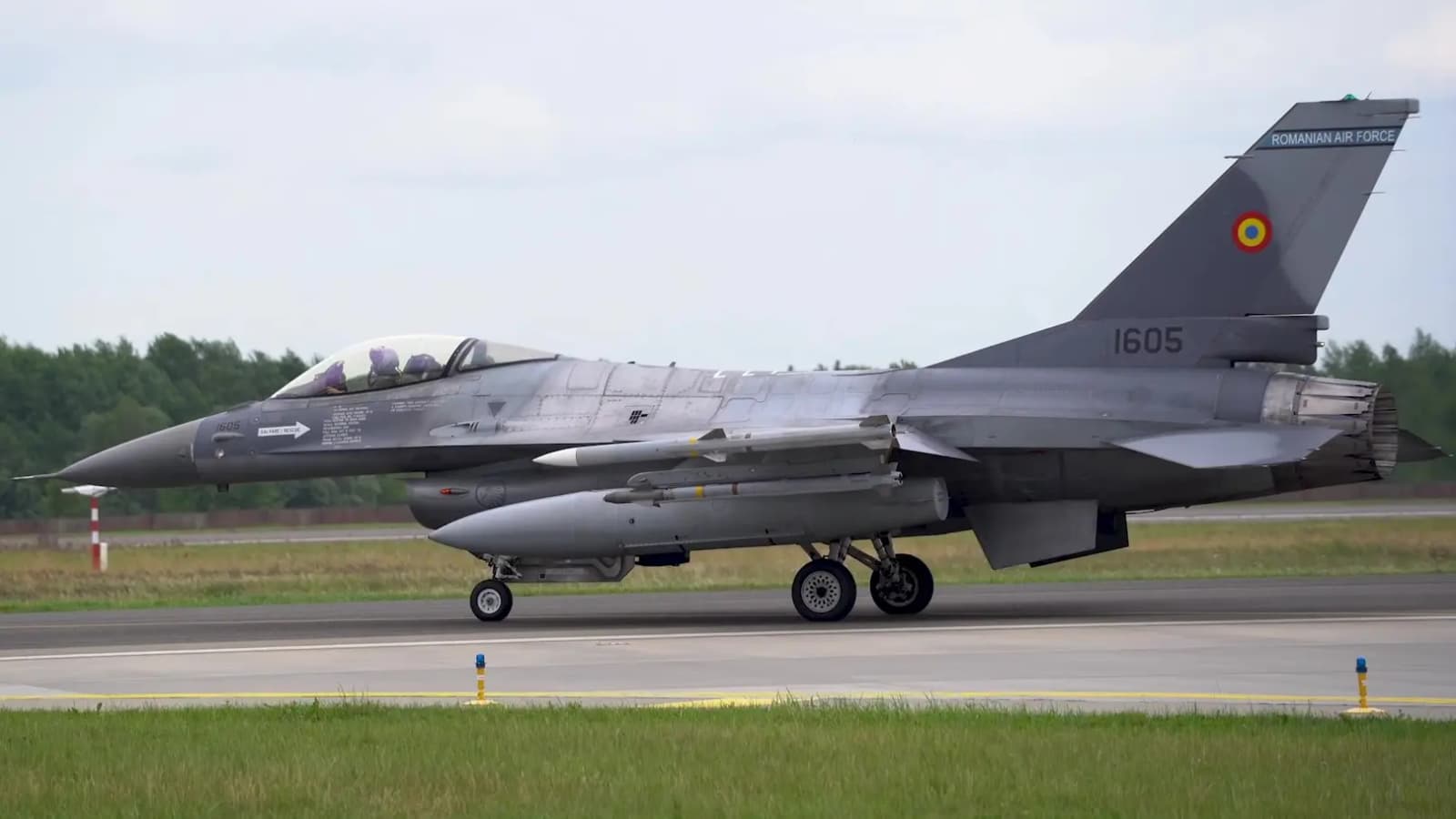
Romanian F-16s shoot down drones while Bulgaria’s Block 70s are not yet ready for combat missions
Romania is already using F-16s against drones over the Black Sea. A comparison in a Romanian news outlet raises the question of when Bulgaria’s F-16 Block 70s will take on combat duties. However, officially confirmed delivery delays do not give a full picture of their current readiness.
SerbiaMilitary Aviation
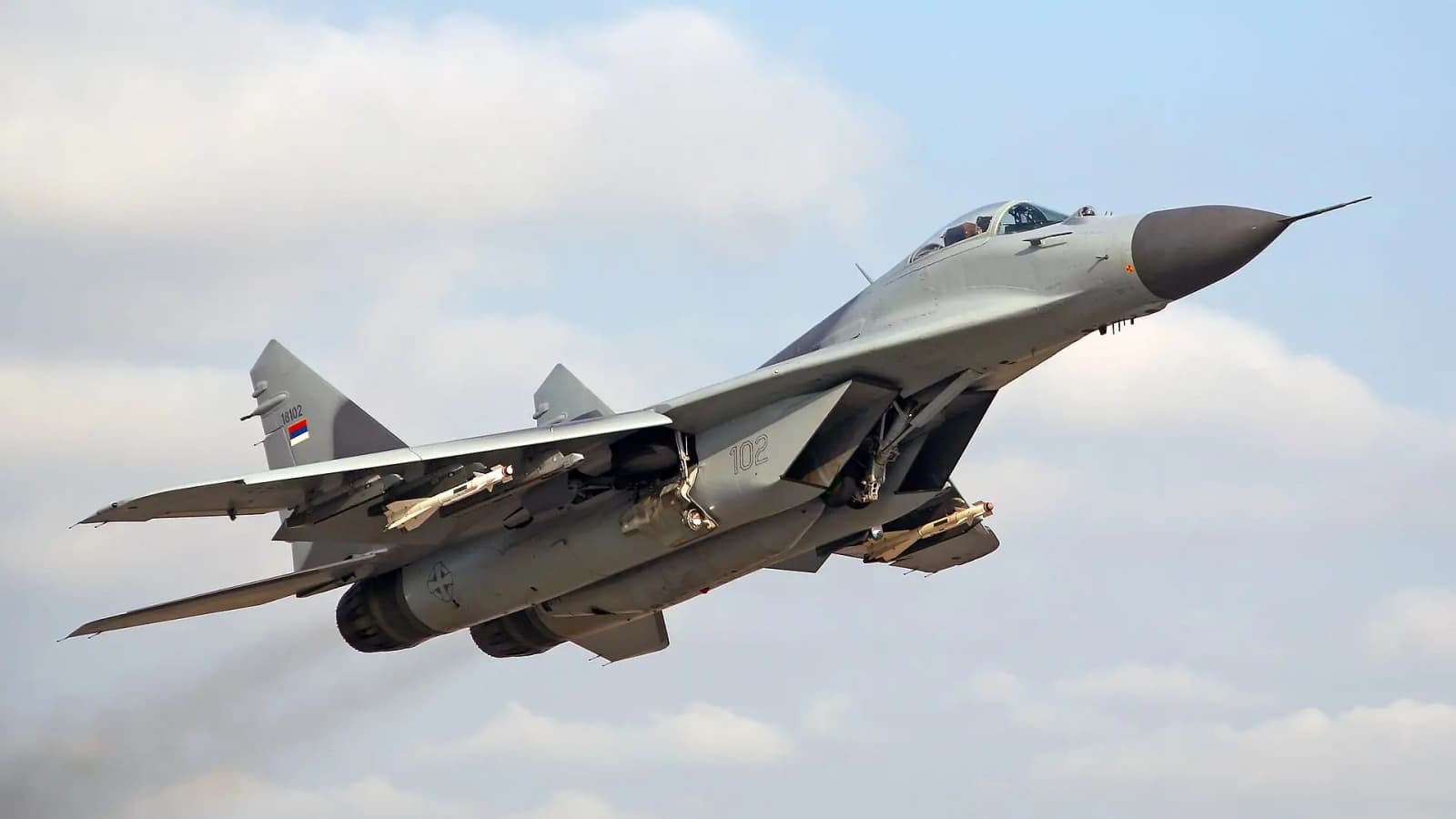
Serbian fighters reportedly escorted Sofia-bound flight after bomb threat
According to Serbia’s Ministry of Defence, fighter jets escorted a Wizz Air aircraft from Brussels to the Bulgarian border. It has not been established whether there was an explosive device on board or how the investigation into the threat concluded.
Black SeaAnalysis
Black Sea defence tests the path from allied support to operational readiness
Attacks on shipping and bomb threats against civilian flights highlighted different tasks facing Bulgarian defence: protection, surveillance and responding to uncertain information. In Flank’s assessment, the common question is whether allied mechanisms, new procurement and the national budget can deliver a functioning system rather than just individual assets.
 English