
KyivMilitary Aviation
Poland and Ukraine finalise details of MiG-29 exchange for Ukrainian technology
Warsaw plans to supply two more MiG-29s, Defence24 reports. In return, Poland expects technology for unmanned systems and countering them, but the timetable and final terms have yet to be announced.

Poland and Ukraine are finalising the details of an exchange of Polish MiG-29s for Ukrainian technology for unmanned systems and countering them. Polish minister Cezary Tomczyk made the announcement during a visit to Kyiv, Polish defence and security website Defence24 reported. According to Tomczyk, the Ukrainian side has committed to providing the technology Warsaw is interested in.
This is a developing story and further information may be added.
Two MiG-29s at the end of their service lives
According to Defence24, the planned transfer covers two MiG-29s. The publication describes the aircraft as having reached the end of their service lives and no longer being useful to the Polish armed forces. Their transfer should therefore not be seen as the immediate addition of two combat-ready fighters. Their military value to Ukraine will depend on their technical condition and the work needed to restore their airworthiness.
The website states that Poland supplied Ukraine with 14 MiG-29s between March 2023 and November 2026. According to the same report, the idea of linking further aircraft transfers to Ukrainian technology transfers has been under discussion since December 2025. The latest statement marks another stage in those negotiations, rather than the start of a new initiative.
Technology transfer, not delivery of a ready-made system
Tomczyk spoke of two areas: technology for unmanned systems and technology to counter them. His statement does not describe a specific ready-made system that Poland will receive, nor does it define production and further development rights. Kyiv's commitment is presented through the Polish deputy minister's remarks.
In Flank's assessment, the key feature of the proposed exchange is the link between military aid and access to technology. If the agreement is implemented, Poland would gain a technological benefit alongside its support for Ukraine. However, the transfer itself would not automatically give Polish units an operational counter-unmanned systems capability. This would require integration and testing.
Tomczyk announces €50 million military aid commitment
Tomczyk also announced a Polish military aid commitment worth €50 million. He said a previous donation, including 20 mm ammunition for F-16s, had already been delivered, with the details classified. That completed delivery is separate from the new financial commitment and the proposed MiG-29 exchange.
No final agreement setting out a timetable for the exchange has been announced so far, nor has an official document been published detailing the value and contents of the €50 million aid package. Negotiations are continuing.
Sources
1 independent report
Independent reporting
Defence24 · defence24.com
MiGs for anti-drone systems. An agreement between Poland and UkraineVerified media
Linked to this story
 Poland
 Ukraine
 Russia
Related topics
Mirosławiec, PolandMilitary Aviation
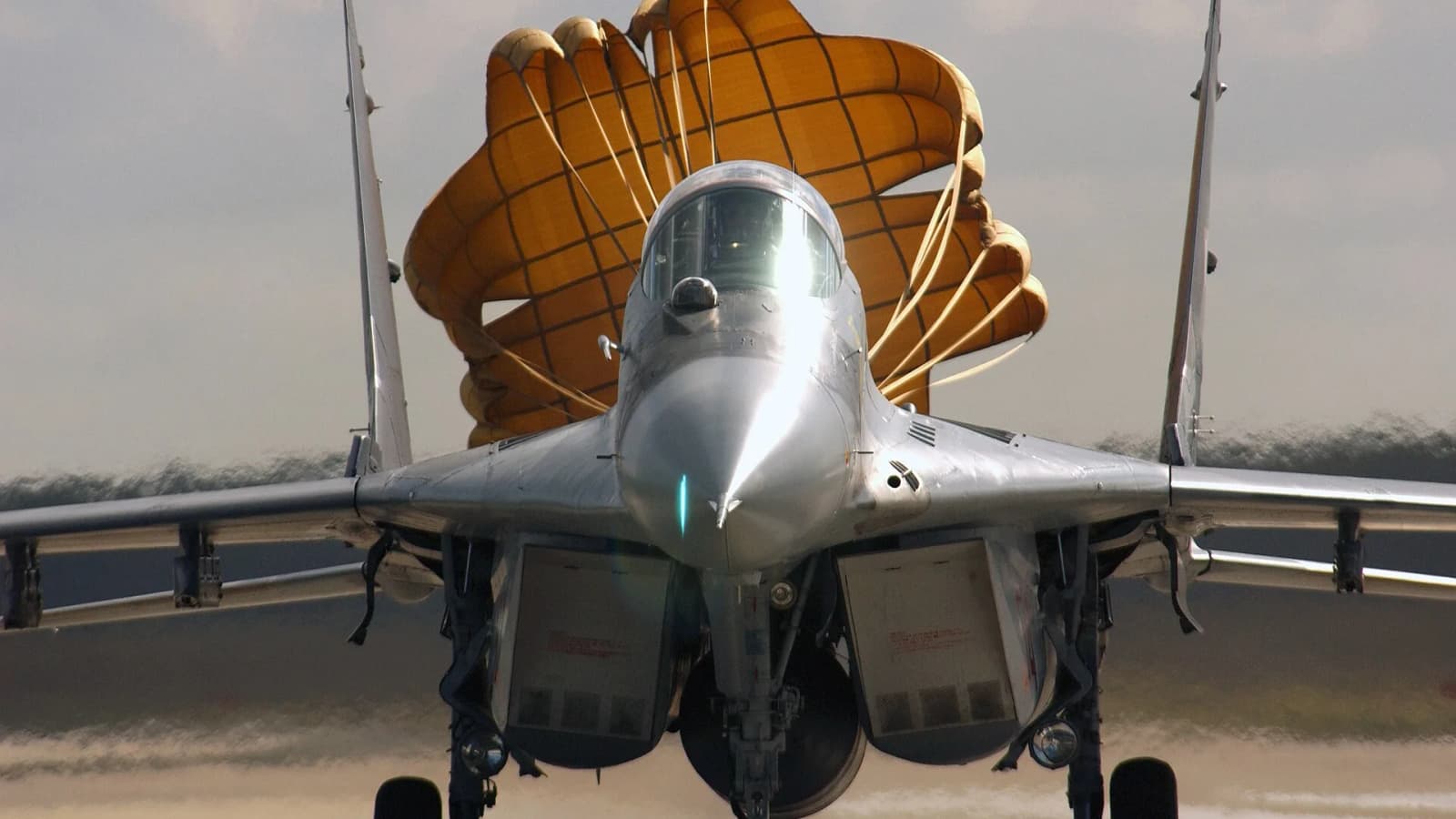
Poland decides to provide two MiG-29s to Ukraine
Warsaw has decided to provide the two aircraft, but their transfer has not yet been confirmed. Poland’s defence minister has spoken of an exchange for drones and Bulgarian interest in some of the remaining MiG-29s.
Graf Ignatievo, BulgariaMilitary Aviation
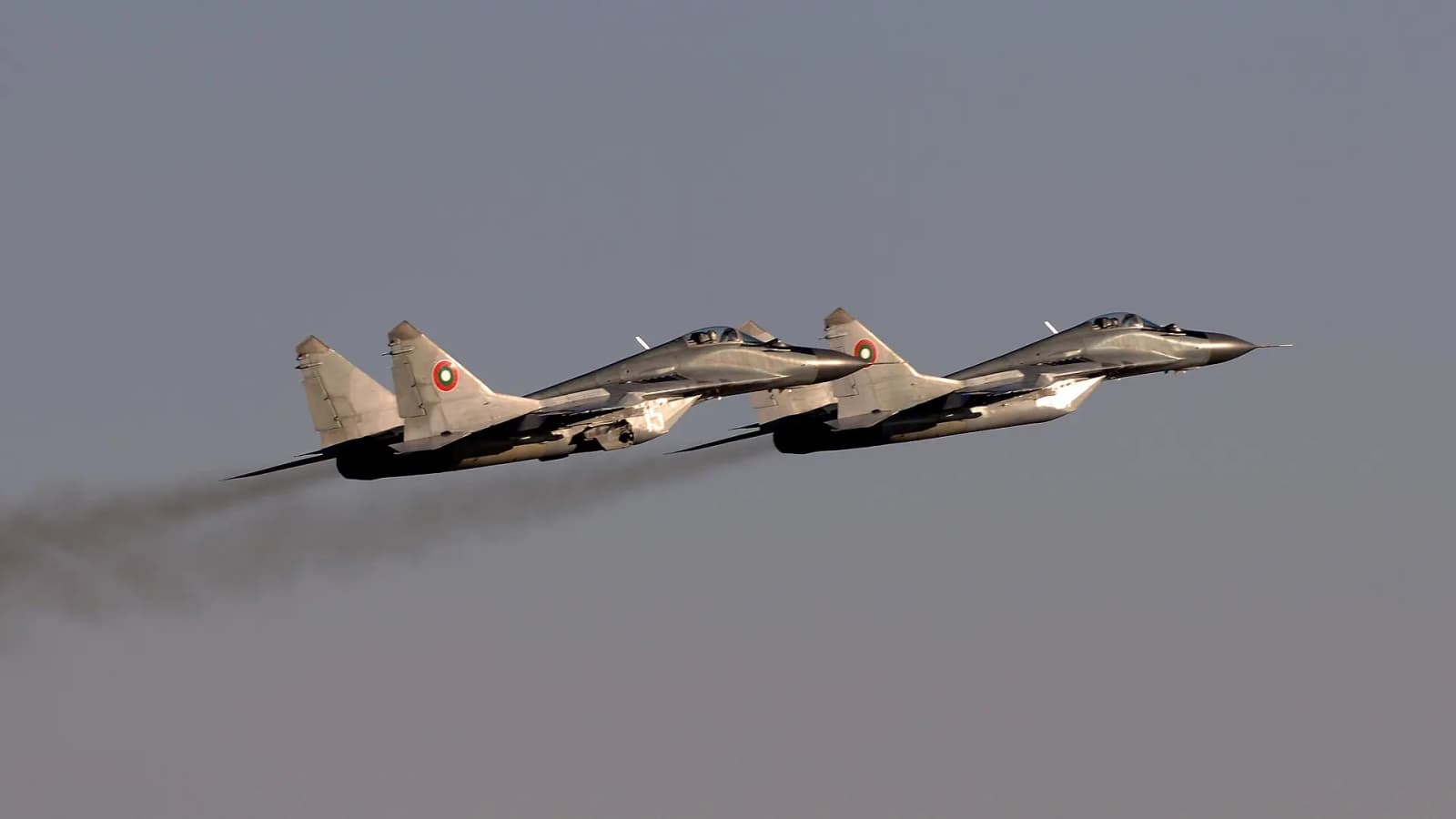
Bulgarian MiG-29s scrambled to escort three aircraft after bomb threats
According to the Bulgarian Air Force, fighters on quick reaction alert at Graf Ignatievo were scrambled following three reports of bomb threats against passenger aircraft. The military response does not prove that explosive devices were on board. The results of the searches are not known.
Black SeaMilitary Aviation
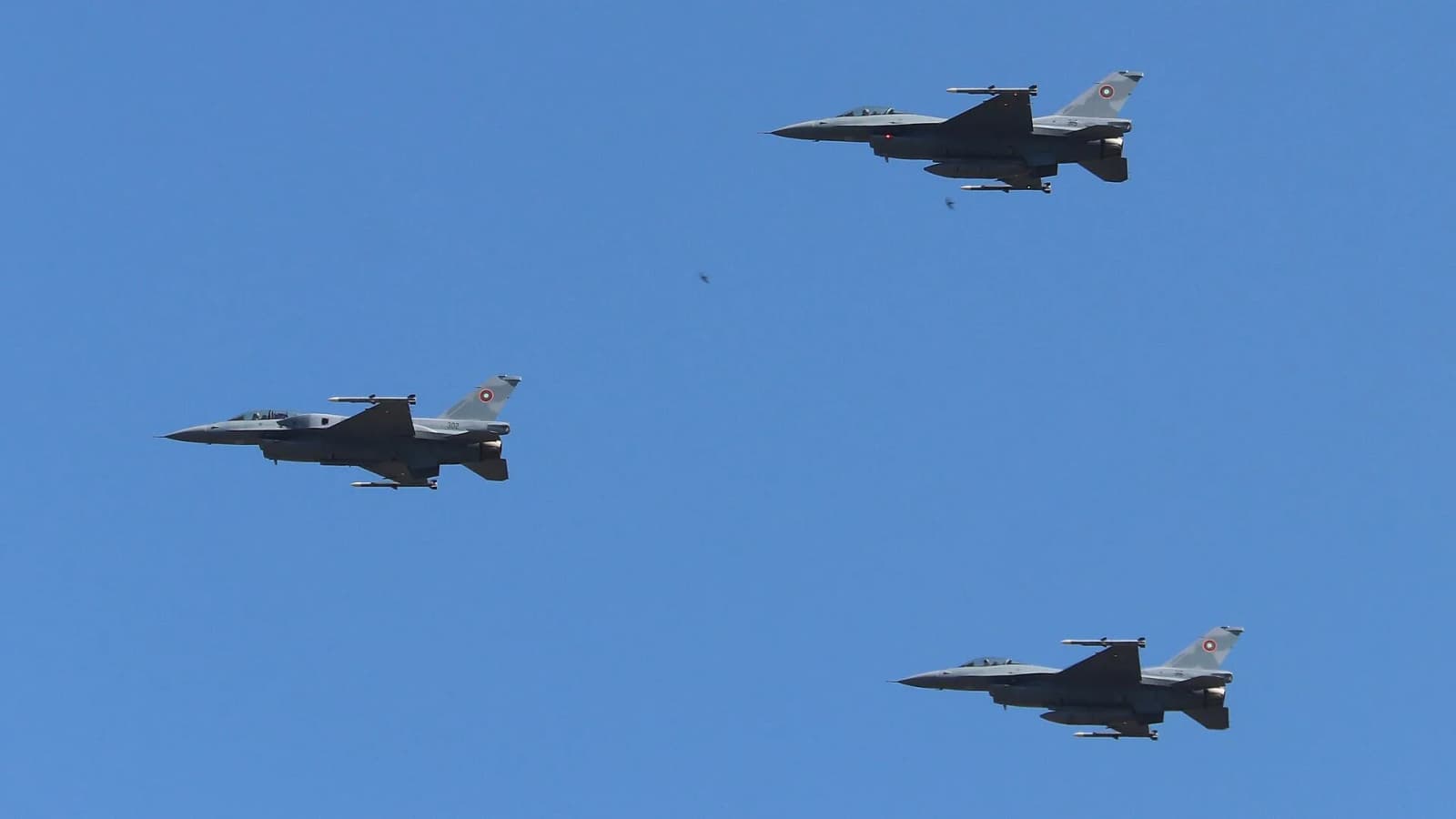
Bulgarian Air Force steps up Black Sea surveillance with aircraft and ground assets
F-16, MiG-29, Su-25 and L-39 aircraft are carrying out missions over Bulgaria’s territorial sea, while additional surveillance and air defence assets have been deployed on land. The Ministry of Defence has not cited a specific threat as the reason for the increased activity.
Black SeaAnalysis
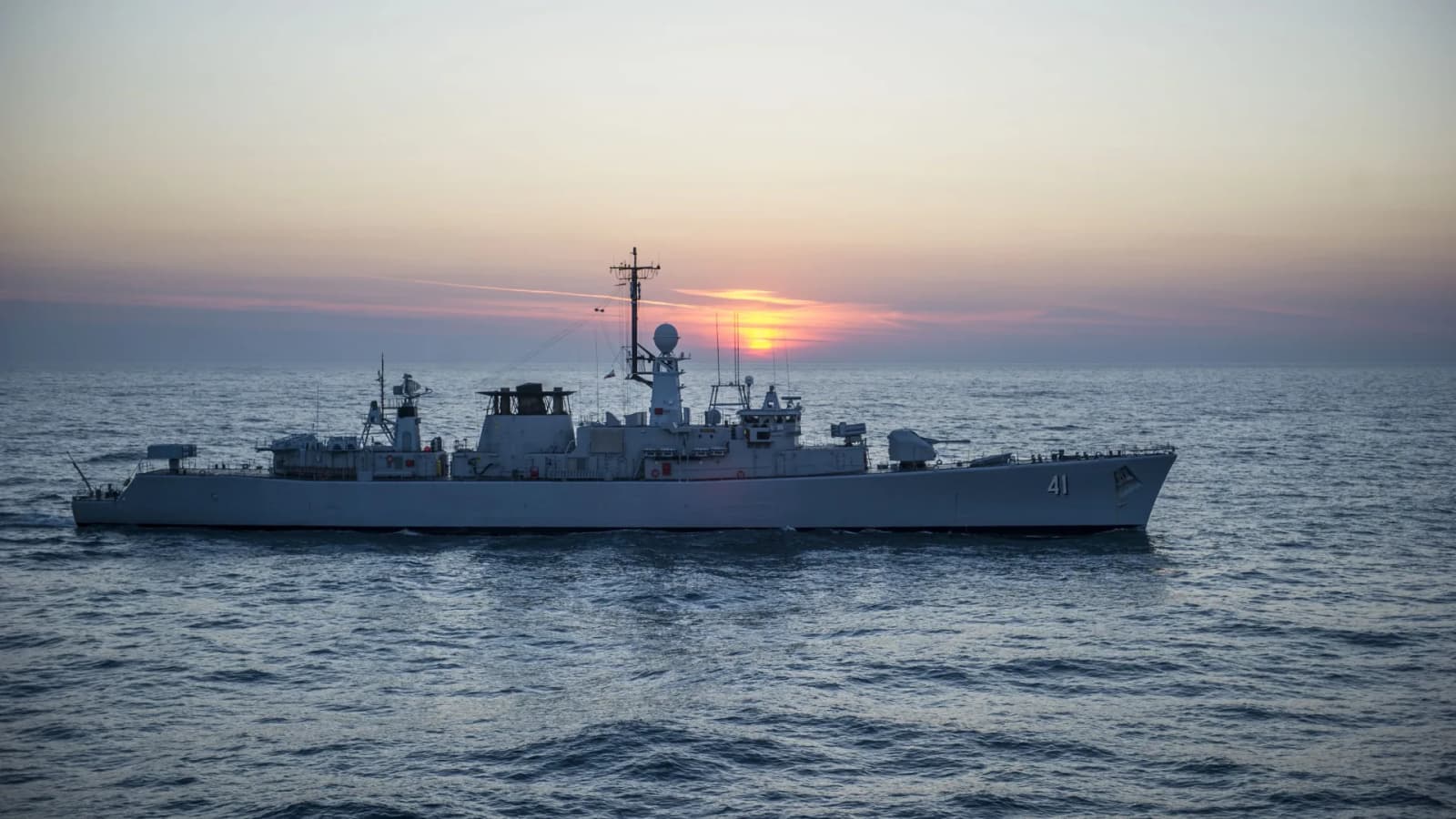
Black Sea defence tests the path from allied support to operational readiness
Attacks on shipping and bomb threats against civilian flights highlighted different tasks facing Bulgarian defence: protection, surveillance and responding to uncertain information. In Flank’s assessment, the common question is whether allied mechanisms, new procurement and the national budget can deliver a functioning system rather than just individual assets.
 English