
UkraineRussia–Ukraine War
 Ukraine
EU Council decides to establish EUMAM coordination presence in Ukraine
The presence will provide direct coordination with the Ukrainian military and international partners. The decision does not in itself mean deploying combat units or moving training to Ukrainian territory.

On 10 November, the Council of the EU announced a decision to establish a presence in Ukraine for the European Union Military Assistance Mission in support of Ukraine (EUMAM Ukraine). Its task will be to ensure direct and effective coordination with the Ukrainian military authorities and armed forces, as well as international partners, according to the official text quoted by the Russian state news agency TASS.
This is a developing story and further information may be added.
The presence will have a coordination role, not a combat role
The decision follows a strategic review of EUMAM. According to the quoted Council text, the aim is to ensure that training continues to adapt to the needs of the Ukrainian armed forces. The stated role of the presence is coordination, not combat.
In Flank's assessment, direct interaction with Ukrainian military structures could shorten the time between identifying a need and adjusting training programmes. The practical outcome, however, will depend on the authority and organisation of the future presence.
More than 100,000 military personnel trained since 2022
According to the Council of the EU, quoted by TASS, EUMAM has trained more than 100,000 Ukrainian military personnel since its establishment in October 2022. The mission was set up at Ukraine's request to help enhance the military capabilities of its armed forces. The number of personnel trained shows the scale of the activity, but does not in itself measure its results.
TASS also reports that the mission's mandate has been extended until 15 November 2028, with a budget of €300 million approved for that period. This sum should not be taken as a budget solely for the future presence in Ukraine or as funding for arms purchases.
No details announced on the future presence
The decision to establish a presence does not mean that personnel have already been deployed. No start date, location, personnel numbers, national composition or protection measures have been announced. Nor has it been specified whether training will take place on Ukrainian territory in addition to coordination.
This distinction is important: the stated task provides no basis for presenting the decision as the deployment of combat units. Developments are ongoing, and details may be announced as the arrangements for implementation are clarified.
Sources
2 secondary reports
Secondary reporting
- News agency
TASS · tass.com
Over 100,000 Ukrainian soldiers trained by EU since 2022News agency
Linked to this story
 Russia
Related topics

Petropavlivska Borshchahivka, UkraineOSINT
„Matryoshka“ campaign uses fake reports of ‘secret prisons’ in Ukraine
According to The Insider, more than 10 videos and posts impersonate international media outlets and organisations to spread allegations against Ukraine. The campaign and its attribution to the Russian network have not been independently confirmed.
Mirosławiec, PolandMilitary Aviation
 Mirosławiec, Poland
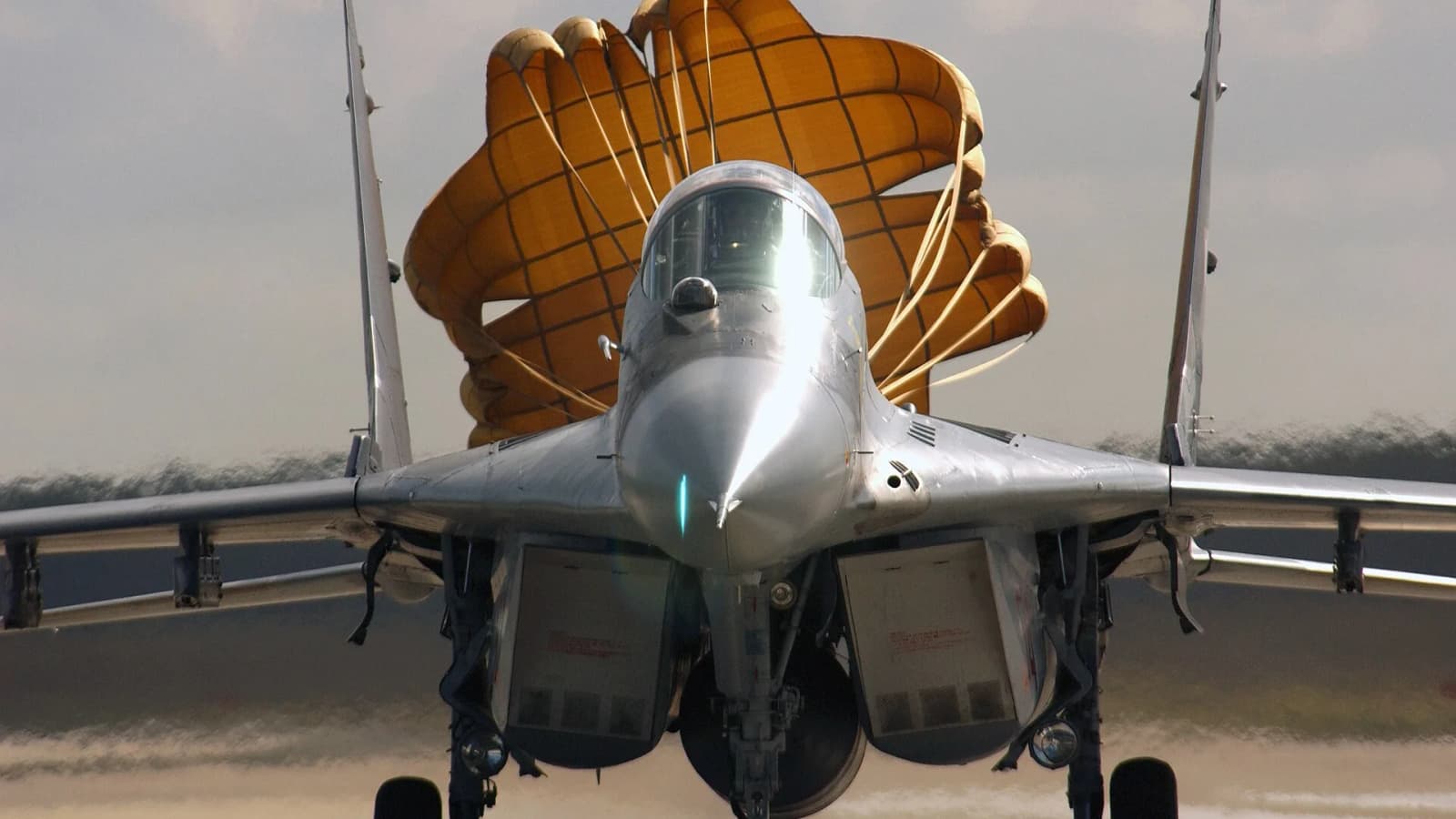
Poland decides to provide two MiG-29s to Ukraine
Warsaw has decided to provide the two aircraft, but their transfer has not yet been confirmed. Poland’s defence minister has spoken of an exchange for drones and Bulgarian interest in some of the remaining MiG-29s.

New York, USARussia–Ukraine War
UN commission accuses Russia of international crimes over strikes on Ukraine’s energy infrastructure
The Ministry of Defence Information Centre cites DPA as reporting that UN human rights officials describe Russian attacks on Ukraine’s energy infrastructure as war crimes and crimes against humanity. According to the assessment, the systematic strikes have had lasting consequences for civilians.
EstoniaMilitary Infrastructure
 Estonia
Suspected arsonists linked to Russian military intelligence
According to the Estonian outlet, those who carried out attacks against a businessman were also carrying out a task for Russian military intelligence. This does not in itself establish that Russia commissioned the arson attacks, whose motive the report describes as personal.
 English