Tallinn, EstoniaRussia–Ukraine War
 Tallinn, Estonia
Estonia says Russia is making the same demands as in 2021 and seeking to dictate Europe’s security
Estonia’s Foreign Ministry and Foreign Minister Margus Tsahkna said Moscow is using negotiations to achieve what it has failed to achieve on the battlefield. Tallinn is calling for more sanctions, use of frozen Russian assets and visa restrictions for Russian citizens.

Estonia’s Ministry of Foreign Affairs said on 13 November 2026 that Russia’s demands have not changed since 2021 and that, after nearly five years of war, Moscow is still seeking to dictate Europe’s security arrangements. “We cannot make concessions to an aggressor that would reward its aggression and encourage further attacks,” the ministry said on X. It pointed to a longer statement by Foreign Minister Margus Tsahkna published earlier the same day.
Tsahkna: Moscow wants through negotiations what it failed to win on the battlefield
According to Tsahkna, after the Abu Dhabi talks Russia’s chief negotiator, Vladimir Medinsky, explicitly invoked the security ultimatum Moscow issued to NATO and the West in 2021. The minister also says Vladimir Putin’s foreign policy adviser, Yuri Ushakov, said Russia wants to add new demands based on its experience during the war.
In Tsahkna’s words, Russia is again demanding restrictions on NATO membership and on the deployment of Allied forces, as well as on Ukraine’s right to choose its own security arrangements and allies. “It is clear that Russia is not taking part in the current process with the intention of ending its war against Ukraine,” the minister writes. In his view, Moscow wants to force sovereign countries to abandon their security choices and to restore Russian spheres of influence in Europe.
Tsahkna warns that if these demands become the starting point for negotiations, or are met even in part, it would send “an extremely dangerous message” that the use of force pays off. “Decisions on European security must be made by European countries themselves,” he writes.
What Moscow says publicly
In his public remarks after Abu Dhabi, Medinsky told Russian state television on 11 November that the task is to create a comprehensive security system in Europe that would become “a new, modern Yalta and Potsdam”, Euronews reports. Asked whether Russia was satisfied with the talks, he said: “Only when we win and sign a peace agreement on our terms.”
Flank has not found in published statements the exact words in which, according to Tsahkna, Medinsky and Ushakov invoked the 2021 demands and new demands. That characterisation is the Estonian minister’s. In December 2021, Russia published draft agreements with the United States and NATO demanding a halt to the Alliance’s enlargement and a withdrawal of Allied forces to their 1997 positions.
Tallinn calls for more pressure on Russia
Tsahkna calls on Europe to step up sanctions, limit Russia’s ability to finance its war, put frozen Russian assets to use and restrict visas for Russian citizens. In Dublin, Estonian Prime Minister Kristen Michal said: “This is a mental trap to talk about European security architecture before the peace,” Euronews reports.
In Flank’s assessment, Estonia’s position marks the main dividing line in the European debate after the Dublin meeting: whether European security should be discussed together with peace in Ukraine, or only after it. If Russian demands to limit NATO’s presence become part of the negotiations, they directly affect the countries on the Alliance’s eastern flank.
Why This Matters for Bulgaria
Russia’s 2021 demands for Allied forces to withdraw to their 1997 positions also concern Bulgaria, which joined NATO in 2004, and the NATO multinational battlegroup on its territory. Prime Minister Rumen Radev has already rejected such a return of NATO to its pre-1997 borders.
Sources
2 primary or official1 independent report
Primary / Official
Ministry of Foreign Affairs of Estonia · x.com
Russia's demands have not changed since 2021Primary sourceGovernmentMargus Tsahkna · x.com
A great deal of blood has been spilled since Russia issued its ultimatum-like demands to NATO and the West in 2021Primary sourceGovernment
Independent reporting
Euronews · euronews.com
From Ukraine peace to Europe's future: How Russia is shifting the debateVerified media
Linked to this story
 Russia
 Ukraine
Related topics
Dublin, IrelandRussia–Ukraine War
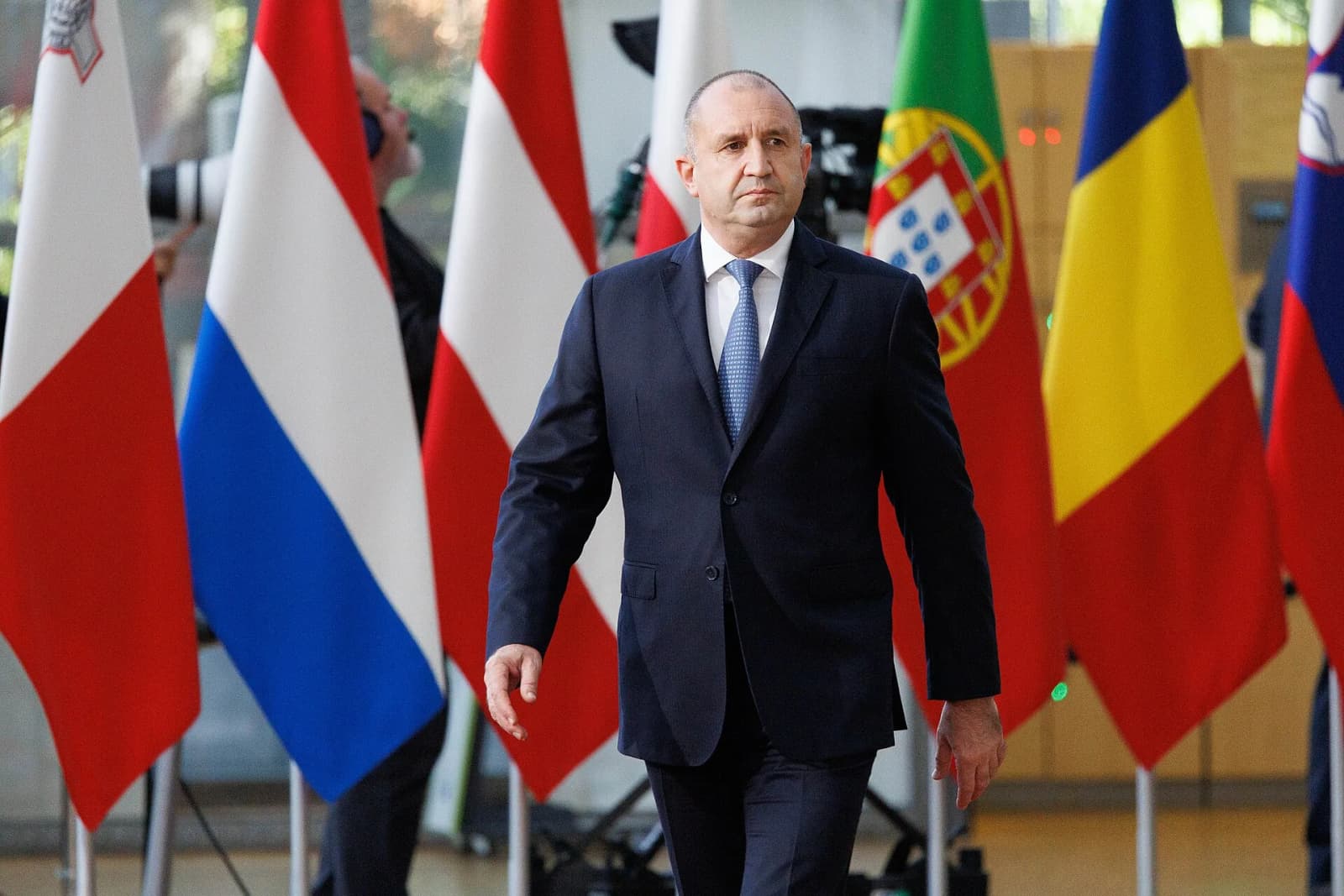
Prime Minister Radev rejects NATO return to pre-1997 borders
In Dublin, Rumen Radev said countries must not be forced to change their alliances. He called for Europe to take part in negotiations to end the war in Ukraine.

MoscowRussia–Ukraine War
Putin proposed a temporary humanitarian pause in Kostiantynivka but maintained his territorial demands
The Russian president proposed a humanitarian pause but again rejected foreign troops and demilitarised zones in Ukraine. It is unclear whether the Kostiantynivka proposal has been accepted or whether implementation has begun.

Dublin, IrelandRussia–Ukraine War
 Dublin, Ireland
Von der Leyen: Europe’s team for the Ukraine peace talks will be the E5 together with the EU institutions
After the informal meeting of EU leaders in Dublin, the European Commission President said a team of France, Germany, Italy, Poland, the United Kingdom and the EU institutions has been agreed. Who exactly will represent Europe, and whether Russia will accept the wider format, has not been decided.
 English