FranceRussia–Ukraine War
 France
Macron: helping Ukraine defend itself means protecting France
After the Dublin meetings, the French president called for financial support for Kyiv to be maintained and described attempts to ration it as “the spirit of defeat”. He says Ukraine has its rightful place in NATO.

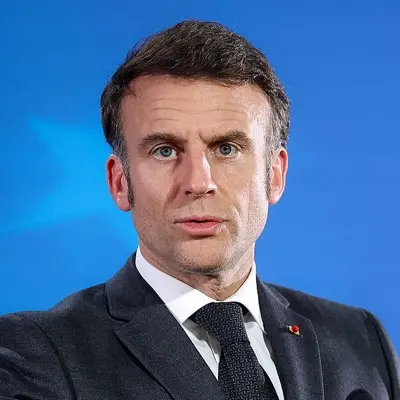
French President Emmanuel Macron said on 14 November 2026 that support for Ukraine is a matter of the security of France and of all of Europe. “Helping Ukraine defend itself means protecting France and the French,” he wrote in an address to the French people posted on his X account. According to Macron, if Russia imposes its will on a European country by force, the whole of Europe will be weakened.
Emmanuel Macron@emmanuelmacron
French President Emmanuel Macron says in an address to the French people that “helping Ukraine defend itself means protecting France and the French”. According to him, at the meetings in Dublin European leaders showed unity around two priorities: helping Ukraine get through the winter and working with it towards a just and lasting peace.
Macron says Vladimir Putin does not want to negotiate and is betting on strikes against civilians and Ukraine’s energy system. He calls for financial support to be maintained and describes attempts to ration Ukraine’s means as “the spirit of defeat”. According to him, 42 countries approved a French-initiated declaration on the principles of European security, and the Coalition of the Willing will meet in Berlin on Thursday.
The address follows the ninth European Political Community summit and the informal European Council in Dublin on 12 and 13 November. Macron sets out two priorities around which, he says, European leaders showed unity: helping Ukraine get through the winter and working with it towards a just and lasting peace.
“Putin does not want to negotiate”
Citing the latest talks with the US envoys, Macron says Vladimir Putin does not want to negotiate. According to the French president, the Russian army is not advancing, is even retreating and is suffering considerable losses, while Moscow is betting on breaking Ukraine through strikes on civilians and attempts to plunge the country into darkness this winter. These are Macron’s assessments, which Flank cannot independently verify.
He therefore says Europe must maintain its financial support and help Ukraine protect its population, its power plants and its electricity grid. “Those who want to ration Ukraine’s means ultimately want to force it into an unjust peace and lasting vulnerability, and with it, Europe’s,” Macron writes. He calls this position “the spirit of defeat” and “the recipe for the next war”, and says it cannot be France’s position. Macron does not name any governments. Later the same day, Slovak Prime Minister Robert Fico wrote that Slovakia will support peace talks but not further funding of the war.
A declaration on European security and the Coalition of the Willing
According to Macron, 42 countries at the European Political Community summit approved a French-initiated declaration on the principles that should guide Europe’s security. The text, published by the Élysée, places the UN Charter, the North Atlantic Treaty and the Helsinki Final Act at the foundation of European security and supports Ukraine’s independence and territorial integrity within its internationally recognised borders. Media reports from the summit put the number of signatories at around 40. Bulgaria backed the declaration with reservations only over the preamble.
Macron links the declaration to the work of the Coalition of the Willing, launched in early 2025 to prepare security guarantees for Ukraine. According to him, the declaration adopted in Paris earlier this year provides for support to the Ukrainian army and preparations for a multinational force that could be deployed after a ceasefire. The Koalicja 2026 exercise, led by France and the United Kingdom with around 2,800 troops, has been under way in Poland since 9 November, European Pravda reports; it is due to run until 22 November. According to Macron, the coalition’s members will meet again in Berlin on Thursday, 19 November.
Ukraine’s place in NATO
Macron writes that Europe must say clearly, “including to the Russians”, what it wants for the post-war period, and specify what it expects from the United States for the continent’s long-term security. He expresses his conviction that Ukraine, which he says has Europe’s largest conventional army, has a key role alongside NATO, “in which it has its rightful place”.
In Flank’s assessment, this is the French president’s own position, not an Alliance decision: admitting a new member to NATO requires the consent of all allies. The statement shows that in the coming talks Paris will defend a line of continued financial and military support for Kyiv, while some EU governments openly oppose funding weapons for Ukraine.
Why This Matters for Bulgaria
Bulgaria backed the declaration on European security that Macron cites, with reservations only over the preamble: Sofia wants the text to support the Abu Dhabi talks. France’s line of continued military support for Kyiv differs from the Sofia government’s decision not to make new deliveries from army stocks. Paris’s call not to ration aid will be part of the discussions in the EU, in which Bulgaria will also have to take a position.
Sources
2 primary or official2 secondary reports
Primary / Official
Emmanuel Macron · x.com
Mes chers compatriotes, ce qui se joue en Ukraine nous concerne directementPrimary sourceGovernmentÉlysée · elysee.fr
Declaration on key principles of European securityPrimary sourceOther
Secondary reporting
European Pravda · eurointegration.com.ua
Forty European states sign joint declaration on continent’s security principlesOtherEuropean Pravda · eurointegration.com.ua
First Coalition of the Willing military exercises to support Ukraine kick off in PolandOther
Linked to this story
 Poland
 Russia
 Ukraine
Related topics
Dublin, IrelandRussia–Ukraine War
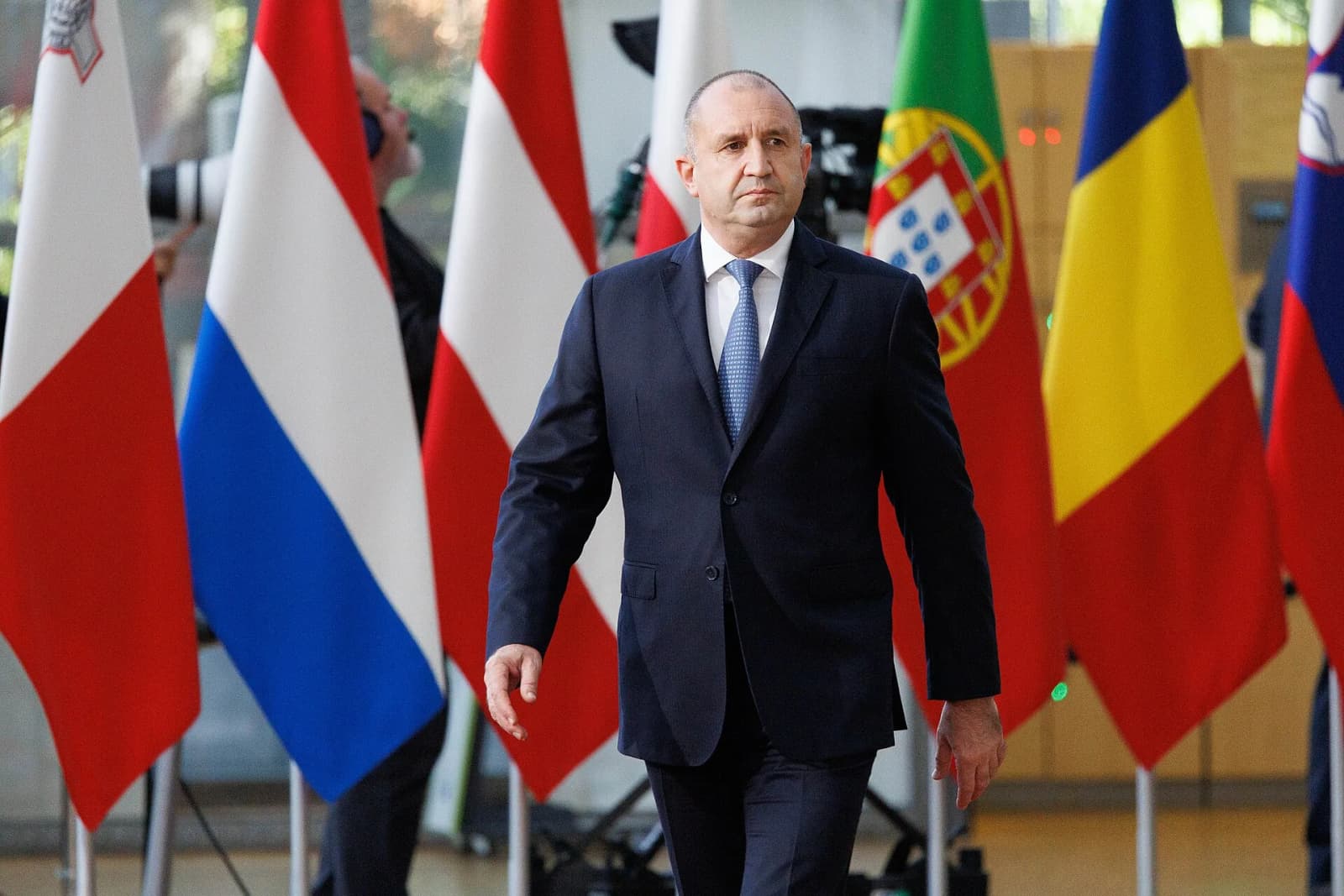
Prime Minister Radev rejects NATO return to pre-1997 borders
In Dublin, Rumen Radev said countries must not be forced to change their alliances. He called for Europe to take part in negotiations to end the war in Ukraine.

BulgariaAnalysis
Black Sea: Bulgaria has asked for help, but its own means of protecting its waters are still to come
Attacks on ships in Bulgaria’s exclusive economic zone led to a request for international help, €50 million from the EU for a centre in Varna and Constanța, and a memorandum on counter-drone systems. Most of the measures, however, are procedures and pledges, and the most visible surveillance over the sea during the week was carried out by Allied reconnaissance aircraft.
Rzeszów, PolandMilitary Infrastructure
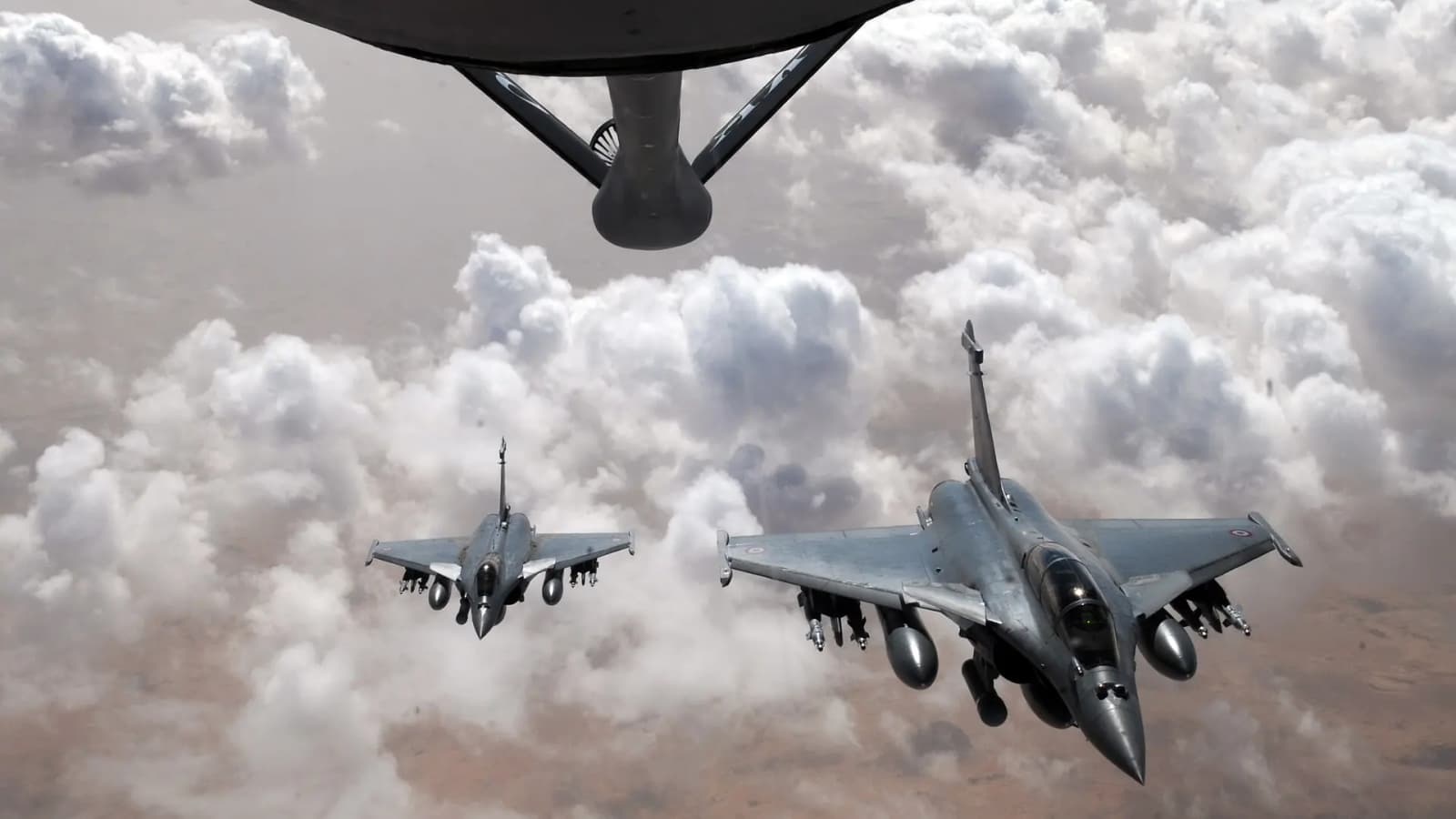
French ambassador: France to take over air defence around Rzeszów from 1 January
The announced plan would see French systems defend the Polish airport that is key to aid deliveries to Ukraine alongside US Patriot systems. The year of the start date and the mission’s duration remain unspecified.

Dublin, IrelandRussia–Ukraine War
 Dublin, Ireland
Von der Leyen: Europe’s team for the Ukraine peace talks will be the E5 together with the EU institutions
After the informal meeting of EU leaders in Dublin, the European Commission President said a team of France, Germany, Italy, Poland, the United Kingdom and the EU institutions has been agreed. Who exactly will represent Europe, and whether Russia will accept the wider format, has not been decided.
 English