
BulgariaAnalysis
Black Sea: Bulgaria has asked for help, but its own means of protecting its waters are still to come
Attacks on ships in Bulgaria’s exclusive economic zone led to a request for international help, €50 million from the EU for a centre in Varna and Constanța, and a memorandum on counter-drone systems. Most of the measures, however, are procedures and pledges, and the most visible surveillance over the sea during the week was carried out by Allied reconnaissance aircraft.

In the week of 8 to 12 November 2026, Bulgaria’s maritime security was in the news almost every day. Interior Minister Ivan Demerdzhiev said the country had asked the United States, its European partners and international organisations for help because of drone attacks in the Black Sea. European Commission President Ursula von der Leyen announced €50 million for a maritime security centre in Varna and Constanța, and the government approved a memorandum with Spain on a joint purchase of counter-drone systems.
In Flank’s assessment, what these decisions have in common is that they describe future capabilities. As of 12 November, none of the announced measures came with specific equipment, quantities and a date for introduction in Bulgaria’s maritime zone, and the most visible surveillance over that zone during the week was carried out by Allied reconnaissance aircraft.
The threat is in the economic zone, and the powers are limited
On 6 October the ship Alfa Watan sank after a drone attack in Bulgaria’s exclusive economic zone. On 28 October three maritime drones struck the container ship CONTSHIP JET off Cape Kaliakra.
Demerdzhiev said the incidents take place outside territorial waters, in the exclusive economic zone. According to him, the institutions can mainly carry out rescue operations there, because international maritime law limits their intervention. This is the minister’s explanation, not an independent legal assessment of every permissible action.
The same boundary applies in the air. National airspace covers the land and the territorial waters up to 12 nautical miles from the coast; above the economic zone, the airspace is international.
In Flank’s assessment, this sets out the core problem: the risk to shipping lies in a zone where Bulgaria has rights over resources but a limited ability to act alone. That is why much of the announced response runs through partners – the EU, Romania, Türkiye, NATO and the United States.
What was announced and what is still missing
The request for help. Demerdzhiev said the Interior Ministry and the Ministry of Defence had accelerated the build-up of counter-drone means and were installing new technical equipment along the maritime border. No models, numbers or timelines were given. Nor has it been announced how the partners Bulgaria approached have responded: the request for help does not mean that support has already been agreed or delivered.
The maritime security centre. During her visit to Bucharest on 9 November, von der Leyen announced €50 million for a network of complementary centres in Varna and Constanța. According to BTA, the Bulgarian centre will have five areas of work: maritime situational awareness, critical infrastructure protection, cyber security, countering hybrid threats and environmental security. According to Euronews Bulgaria and Mediapool, the structure is due to start operating in 2027. The official funding document and the Bulgarian-Romanian agreement setting out the implementation milestones are still to come.
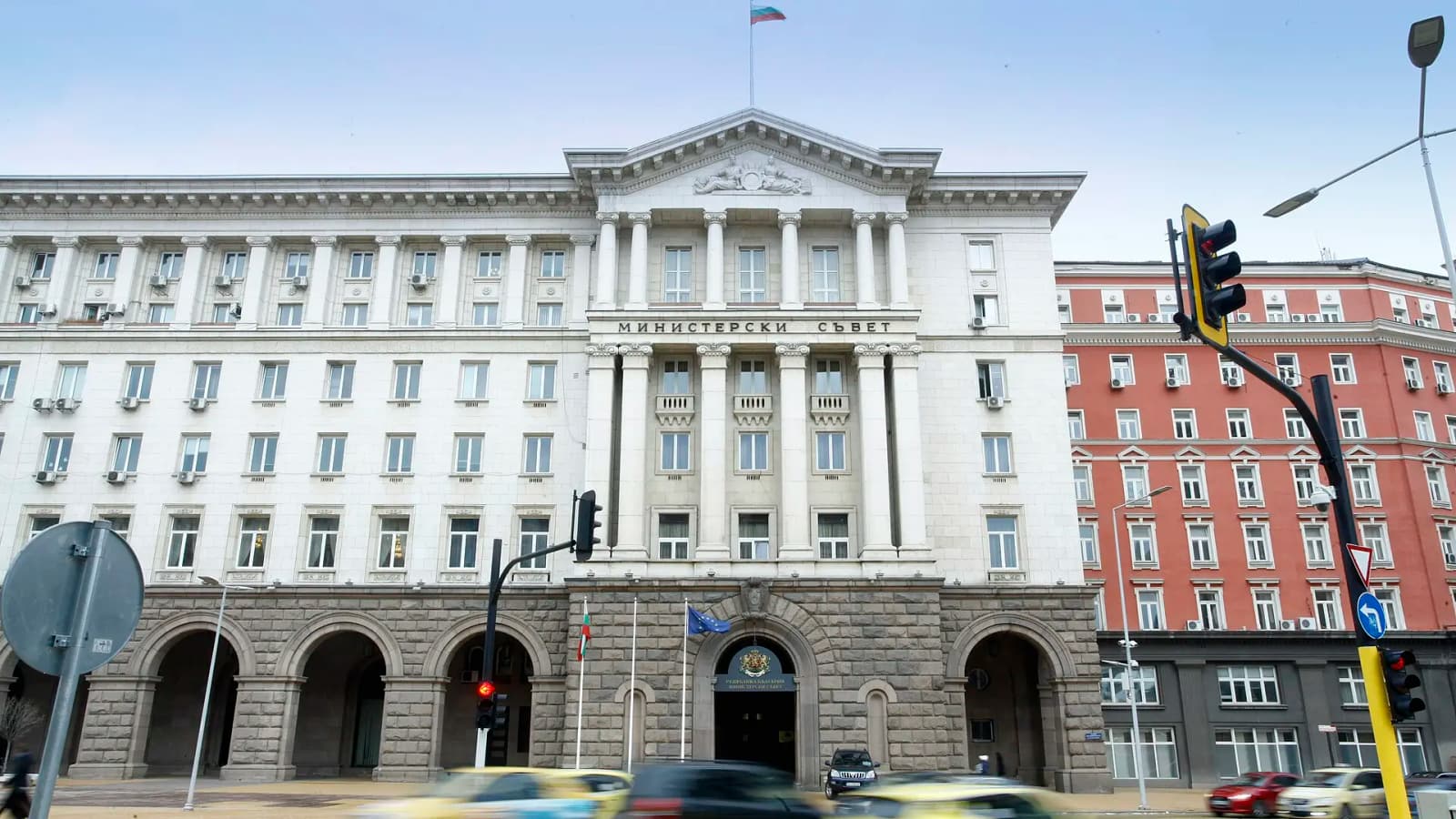
Counter-drone systems. On 11 November the Council of Ministers approved a memorandum with Spain on the joint acquisition of up to 10 mobile and up to 10 containerised counter-drone systems under the EU’s SAFE instrument. Spain will lead the procurement; the next steps are approval by the National Assembly and Bulgaria joining the lead nation’s contract. The models, manufacturers and value have not been announced, nor has where the systems will be deployed.
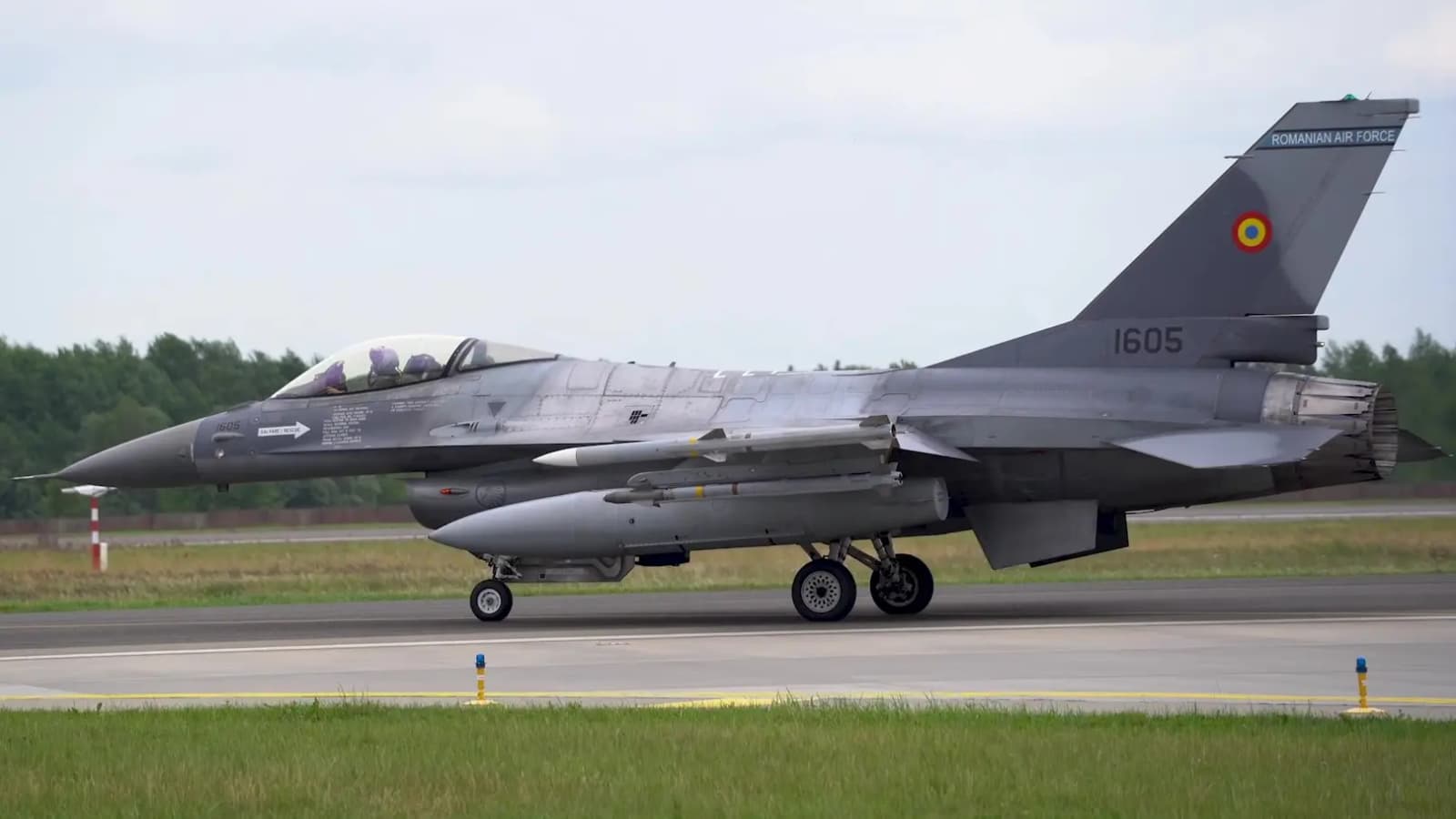
Fighter aircraft. Romanian F-16s shot down two Geran drones over Romanian territorial waters off Sulina on 17 October. According to reports by the Romanian outlet HotNews.ro and by Mediapool, which are part of a single journalistic partnership, the first eight F-16 Block 70s Bulgaria has received are not yet flying combat missions. The Ministry of Defence confirmed delays in deliveries under the programme in June, but has not given an up-to-date assessment of the aircraft’s readiness.
In Flank’s assessment, these steps are necessary, but they move at the pace of budget and contracting procedures, while the attacks in October showed a risk that already exists. With a centre expected to start operating in 2027 and counter-drone systems with no announced delivery date, Bulgaria will rely on its existing means and on its partners in the coming months.
Who is watching the sea
On 11 November Flank spotted the US ARTEMIS reconnaissance aircraft in public ADS-B data about 105 km from Cape Kaliakra, over Bulgaria’s economic zone and in international airspace. According to the US Army, the sensors on ARTEMIS platforms collect communications intelligence and electronic intelligence. A day earlier, the specialist site Itamilradar reported that NATO’s RQ-4D Phoenix uncrewed reconnaissance aircraft had flown over Bulgaria towards the Black Sea. That report has no independent confirmation.
Public data show where an aircraft was, but not what it was observing or whether the information collected reaches Bulgarian institutions. In Flank’s assessment, this is where the practical value of the future centre in Varna lies: a common maritime picture only makes sense if warnings from different sources reach the institutions and forces able to respond in time.
Industry is also offering solutions. On 10 November the Bulgarian company Dronamics and Germany’s HENSOLDT announced a demonstration in Bulgaria of the Black Swan uncrewed aircraft fitted with radar and early-warning sensors. The results are described by the companies themselves and have not been independently verified, and no Bulgarian contract has been announced. Ukraine and Denmark, for their part, announced a project to escort ships in the Black Sea with drones, but without platforms, timelines or any announced Bulgarian participation.
The cooperation that already works
The Poseidon mine countermeasures exercise began in Varna on 8 November together with the 13th activation of the Black Sea Mine Countermeasures Task Group. Six warships from Bulgaria, Romania and Türkiye and more than 450 personnel are taking part. According to the group’s commander, Petar Dimitrov, no sea mines were found during the previous activation, but several drones and a large amount of drone debris were. Bulgarian divers destroyed the drones, and the debris was checked and taken on board.
In Flank’s assessment, this is an example of a working regional structure that is already dealing with the consequences of the uncrewed threat at sea. It is, however, a mine countermeasures group, not a system for detecting and intercepting drones.
The diplomatic framework was also reinforced. The European Commission confirmed that Bulgaria had joined the joint statement on Ukraine presented in New York on 23 September, which includes a call to ensure the safety of commercial shipping and freedom of navigation in the Black Sea. The call does not in itself create a naval mission or amount to a commitment to a military escort.
What to watch
- How the United States, European partners and international organisations respond to Bulgaria’s request for help – the type, scale and timing.
- Publication of the EU funding document and of the Bulgarian-Romanian agreement on the centre with its implementation milestones.
- Approval of the counter-drone project by the National Assembly and the choice of specific systems.
- An up-to-date position from the Ministry of Defence on the combat readiness of the F-16 Block 70.
- The results of the inspection of the craft reported near Sinemorets, if the authorities confirm the find.
Why This Matters for Bulgaria
The October attacks took place in Bulgaria’s exclusive economic zone, on the routes to the ports of Varna and Burgas. Whether the announced centres, systems and Allied help turn into working protection will determine the safety of shipping off the Bulgarian coast.
Sources
2 primary or official3 independent reports10 secondary reports
Primary / Official
Bulgarian Ministry of Defence · mod.bg
Министърът на отбраната Димитър Стоянов: Установихме забавяне и оскъпяване на голяма част от модернизационните проектиGovernmentU.S. Army · army.mil
Advancing Army aerial ISR through acquisition, innovationMilitary
Independent reporting
Bulgarian News Agency (BTA) · bta.bg
EU to Allocate EUR 50 Mln for Black Sea Maritime Security HubNews agencyEuronews Bulgaria · euronews.bg
Център за морска сигурност: Обявената от Фон дер Лайен структура ще заработи от 2027 гVerified mediaBulgarian News Agency (BTA) · bta.bg
Cabinet Approves Cooperation with Spain on Acquisition of Counter-Drone SystemsNews agency
Secondary reporting
BurgasMedia · burgasmedia.com
Демерджиев очаква още атаки с дронове в Черно мореOtherЕвропейска комисия · audiovisual.ec.europa.eu
President Ursula von der Leyen in the Black Sea regionOtherMediapool · mediapool.bg
Центърът за наблюдение на Черно море ще започне да работи догодинаVerified mediaHotNews.ro · hotnews.ro
Dronele rusești atacă nave în Marea Neagră, dar doar România le doboarăVerified mediaADS-B данни (adsb.lol) · globe.adsb.lol
Наблюдение на ФЛАНГ: N159L / BRIO66, 11 ноември 2026 г.OtherNovinite · novinite.com
RQ-4D Phoenix Drone Flies Over Bulgaria Along Unusual Balkan RouteOtherDronamics · dronamics.com
Dronamics and HENSOLDT demonstrate ISTAR and Airborne Early Warning on the Black SwanOtherUkrinform · ukrinform.net
Ukraine working with partners on drone escorts for ships in Black SeaNews agency- Verified media
OFFNews · offnews.bg
ЕК потвърди, че България е подкрепила общото изявление за Украйна в ООНVerified media
Linked to this story
 Romania
 Türkiye
 Ukraine
 Russia
Related topics

Bucharest, RomaniaMilitary Infrastructure
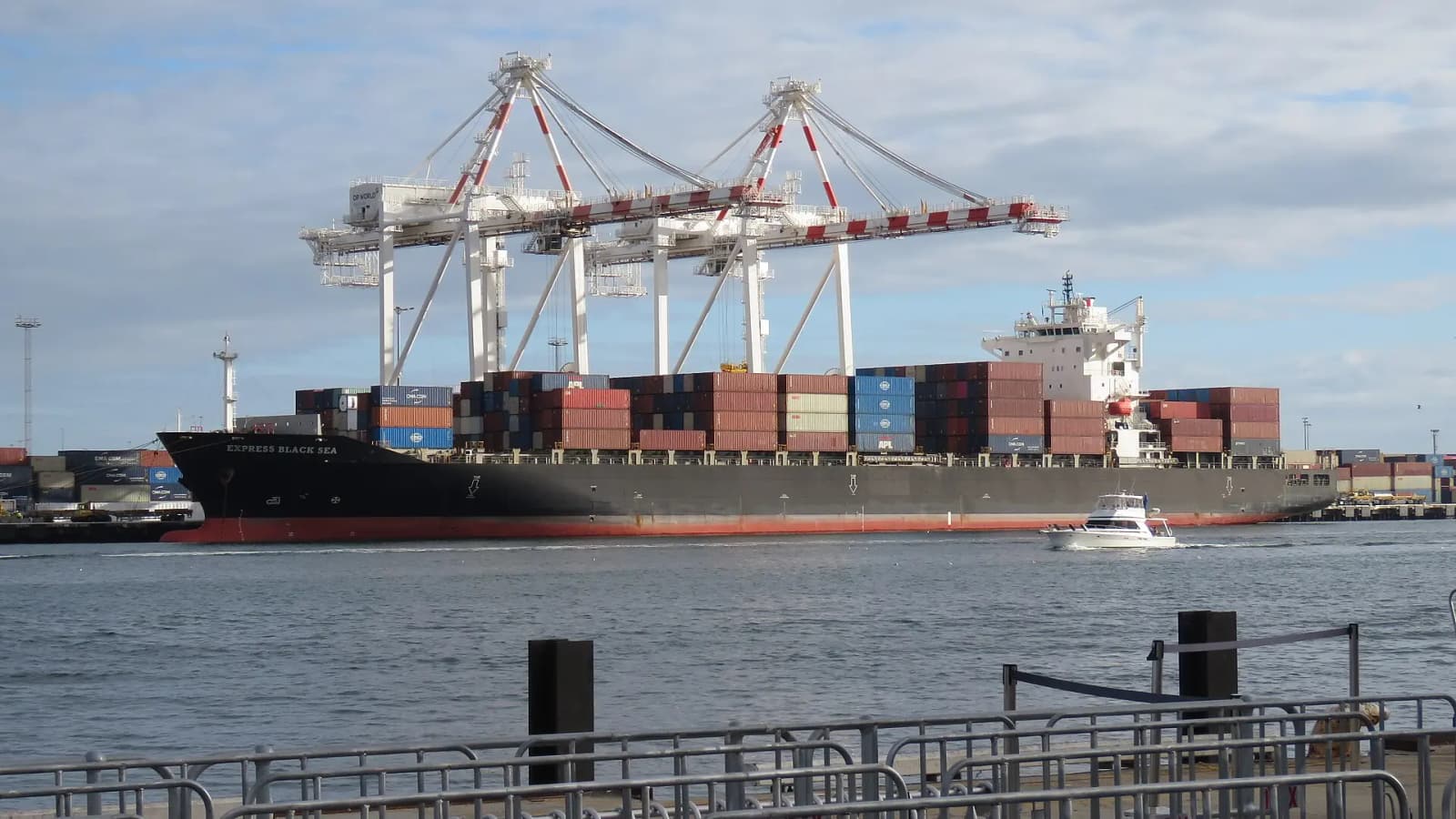
Von der Leyen announces €50 million for Bulgarian-Romanian maritime security centre
The EU will support the Black Sea maritime security project with targeted funding and a timetable for accelerated implementation. The concept envisages complementary centres in Varna and Constanța, but the final deadlines and funding conditions have yet to be clarified.
PlovdivDrones
Demerdzhiev: Bulgaria has requested help over drone attacks in the Black Sea
The interior minister expects further attacks and announced accelerated work on counter-drone capabilities. Neither the type of international assistance requested nor the timetable for bringing the new equipment into service has been specified.
BulgariaProcurement
Bulgaria prepares joint counter-drone procurement with Spain
The government has approved the signing of a memorandum to acquire up to 10 mobile and up to 10 containerised systems. Spain will lead the procurement. Parliamentary approval of the investment project and Bulgaria’s accession to the Spanish contract are still required.
Sulina, RomaniaMilitary Aviation
Romanian F-16s shoot down drones while Bulgaria’s Block 70s are not yet ready for combat missions
Romania is already using F-16s against drones over the Black Sea. A comparison in a Romanian news outlet raises the question of when Bulgaria’s F-16 Block 70s will take on combat duties. However, officially confirmed delivery delays do not give a full picture of their current readiness.
 English