
Black SeaAnalysis
Black Sea defence tests the path from allied support to operational readiness
Attacks on shipping and bomb threats against civilian flights highlighted different tasks facing Bulgarian defence: protection, surveillance and responding to uncertain information. In Flank’s assessment, the common question is whether allied mechanisms, new procurement and the national budget can deliver a functioning system rather than just individual assets.
Black Sea: detection is not enough
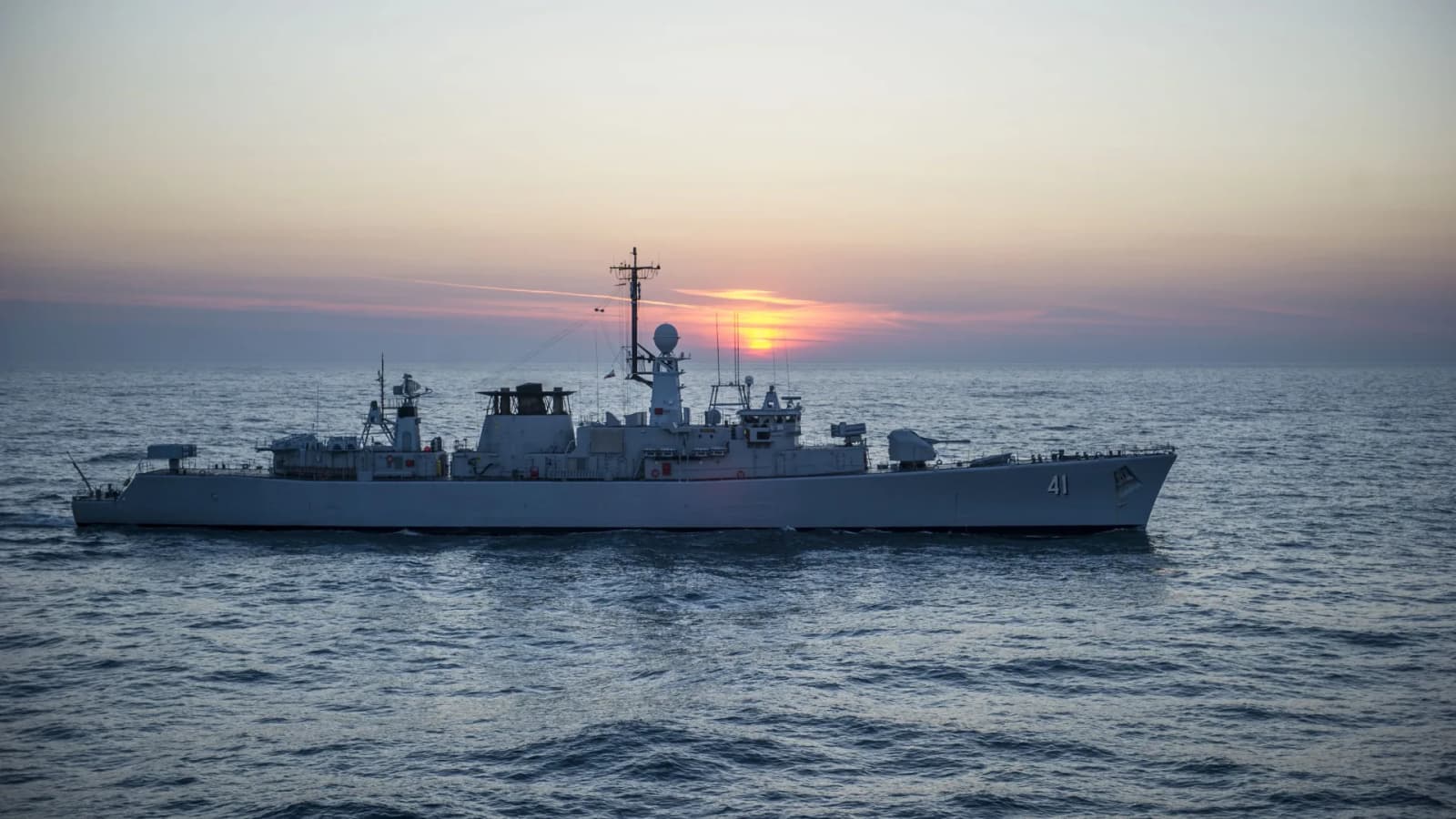
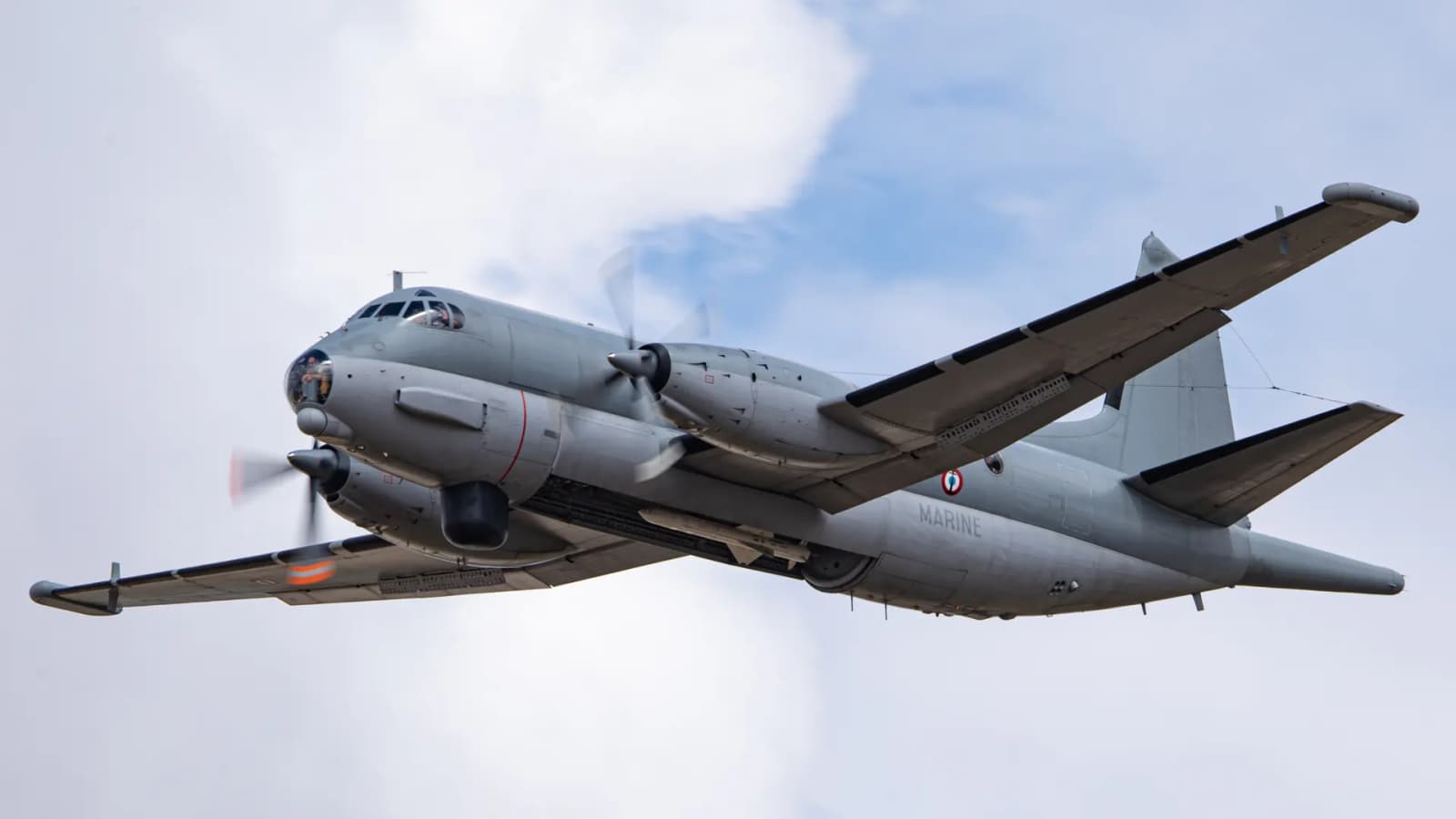
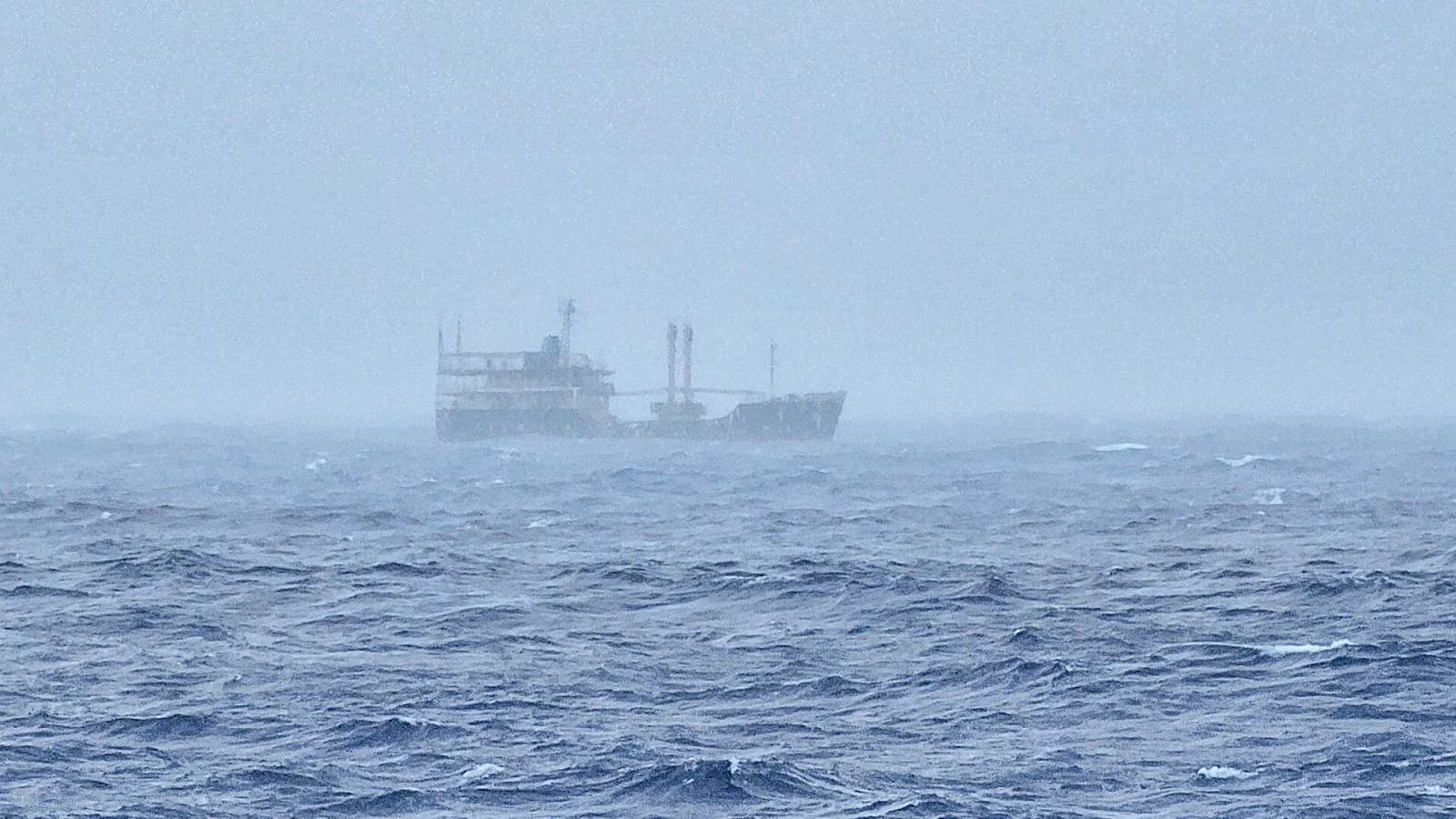
France is extending the deployment of its Atlantique 2 maritime patrol aircraft in Romania by several weeks, its commander said, quoted by RADOR, the Romanian public radio news agency. The mission’s relevance to Bulgaria has a concrete basis. According to the Bulgarian Ministry of Defence, a French patrol aircraft spotted maritime drones and notified the Bulgarian Navy’s operations centre during the attack on CONTSHIP JET on 28 October off Kaliakra. The ministry says three Bulgarian warships were sent to the scene and all 18 crew members were rescued.
This cooperation demonstrates information-sharing followed by a rescue response, but does not establish an ability to prevent the strike. The Atlantique 2 commander says that, on this mission, the aircraft can detect maritime drones but cannot neutralise or intercept them. The Bulgarian statement does not clarify when the container ship was warned or how much time remained before the impacts. In Flank’s assessment, the decisive question is how surveillance connects to a decision to act and an available means of protection. Extended patrols support surveillance, but do not in themselves provide the other links in that chain.
The risk can have consequences even without an attack on a Bulgarian port. According to Richard Meade, editor-in-chief of the maritime publication Lloyd’s List, quoted by the US shipping website gCaptain, some shipowners are looking for grounds to refuse voyages to Bulgaria and Romania. There is no independent confirmation of actual refusals, a decline in traffic or measurable losses. If such decisions are confirmed, they could limit the choice of carriers and delay deliveries. Flank therefore assesses that the results of security measures should also be monitored through the behaviour of commercial operators, not just the number of patrols.
Faster procurement, but not protection in place
On 5 November, NATO announced a procurement platform for counter-unmanned aircraft systems, offering 16 solutions under contracts already in place. According to the official announcement, allies can buy from the catalogue without an additional tender procedure, while €3.1 million has been allocated for further testing. This development coincides with Bulgaria’s accession on 30 October to the “Capabilities to Counter Low-Level Air Threats” initiative, announced by Defence Minister Dimitar Stoyanov. Participation in the initiative does not, however, mean that systems have been acquired or protection established.
In Flank’s assessment, the two mechanisms can help address different obstacles: allied cooperation in capability development and the time needed to conclude a contract. A separate question is what equipment Bulgaria needs and how it will work with existing assets. The general description “counter-drone system” does not guarantee that every offering simultaneously detects, tracks and neutralises targets. The catalogue does not remove the need for testing, integration and training, nor does it establish that a Bulgarian order has been announced.
In parallel, Romania’s defence ministry describes a project for joint drone production with Ukraine worth around €200 million under the European SAFE mechanism, which provides favourable loans for joint defence procurement. The plan includes training, industrial cooperation and technology transfer, but there is no confirmation of a signed contract or the start of production. This project is not a budget for counter-drone protection. In Flank’s assessment, the distinction matters across the eastern flank: producing one’s own aircraft and defending against those of others require different solutions, although both tasks form part of adapting to warfare involving unmanned systems.
The budget choice behind modernisation
The question of Bulgaria’s readiness has taken on a concrete budgetary dimension. According to Minister Dimitar Stoyanov, military salaries will not rise in 2027 because an increase would require cuts to capital expenditure. This is the minister’s position, not a confirmed final budget decision. Without published calculations, it is not possible to establish whether the choice he describes is the only way to fund higher pay.
Meanwhile, Stoyanov says the first five Stryker vehicles have been handed over to the 61st Brigade, another 25 are ready and three are expected by the end of the year. He says Bulgaria is seeking compensation for the delay through spare parts and the earlier provision of older vehicles for training. There is no confirmation that compensation has been agreed. In Flank’s assessment, the key issue here is the link between deliveries and training: handing over equipment is a necessary stage, but the availability of spare parts, training and maintenance determine how it will be used.
This national problem coincides with the European Commission’s warning in its work programme for 2027 that the goal of EU defence readiness by 2030 is at risk despite the decisions taken and funding secured. The Commission envisages an instrument for strategic enablers, including transport and air-to-air refuelling, as well as space and cyber defence. In Flank’s assessment, Bulgaria’s budget debate should not reduce readiness to a choice between personnel and equipment. It is necessary to examine whether spending delivers fully functioning formations, because procurement and pay serve the same ultimate purpose.
Responding to an alert is a separate task
According to the Bulgarian Air Force, MiG-29s on alert at Graf Ignatievo scrambled on 5 November following three bomb threats against passenger aircraft bound for Bulgaria. The Air Force describes the air policing mission as successfully completed, but the results of the inspections after landing are not known. In Romania, the intelligence service says no explosive objects were found during the inspection of a KLM aircraft. That finding cannot be applied to the Bulgarian cases, and no link between the separate threats has been established.
In Flank’s assessment, these cases pose a different problem from defending against a drone that has already been detected: institutions must respond before they know whether the danger is real. The scrambling of fighter aircraft shows that a military response was activated, but does not prove the presence of a bomb. Assessing the system requires both information about the air mission and the results of inspections on the ground. The available information allows neither a calculation of response time nor a conclusion that there was a coordinated campaign.
The civilian side of preparedness also received attention during the week. The European Commission presented non-binding guidelines for people to be able to meet their basic needs during the first 72 hours of an emergency and recommended round-the-clock operation of national contact points under the Civil Protection Mechanism. This is not a response to the specific aviation threats. The analytical connection lies in the need for continuous operation and reliable information amid uncertainty. For Bulgaria, in Flank’s assessment, military response and civilian resilience should be treated as related tasks, without success in one being taken as proof of readiness in the other.
What to watch
In the Black Sea, the most important information will concern follow-up measures to protect shipping and the time between detection, warning and action. According to the Romanian Navy, Exercise Poseidon 26 is scheduled for 6–14 November under Bulgarian leadership, with a Romanian corvette and minehunter taking part. Subsequent statements may show what tasks were actually carried out and how coordination was practised. The participation of a minehunter does not in itself establish a specific mine threat or confirm a capability to counter maritime drones.
In rearmament, the verifiable steps are specific orders, test results, delivery schedules and plans for integration and training. For Bulgaria, this means watching for possible use of the NATO catalogue, the substance of its participation in the initiative against low-level air threats and the final budget decisions for 2027. Under the Stryker programme, what will matter is the actual delivery of further vehicles and whether the intention to secure compensation becomes a contractual commitment.
For civilian flights, the results of inspections and establishing the origin of the threats remain decisive. For shipping, confirmation is needed of whether the refusals of voyages under discussion become actual decisions. In Flank’s assessment, this information will make it possible to judge not only how institutions respond, but also whether the measures limit the consequences for civilian transport and trade.
Sources
12 primary or official11 independent reports14 secondary reports
Primary / Official
Bulgarian Ministry of Defence · mod.bg
Военноморските сили проведоха успешно операция по спасяване на екипажа на кораба „CONTSHIP JET“Primary sourceGovernmentCouncil of Ministers of Bulgaria · gov.bg
Румен Радев: Прекратяването на огъня в Украйна и мирните преговори са единствената сигурна гаранция за спиране на атаките срещу търговски кораби в Черно мореPrimary sourceGovernmentNATO · nato.int
NATO accelerates procurement for counter-drone technologiesPrimary sourceNATONATO · ncia.nato.int
NATO accelerates procurement for counter-drone solutionsPrimary sourceNATOBulgarian Ministry of Defence · mod.bg
Димитър Стоянов: Изкуственият интелект и иновациите са основата на съвременните отбранителни способностиPrimary sourceGovernmentRomanian Ministry of National Defence · mapn.ro
Întâlnirea ministrului apărării naționale cu ministrul adjunct al apărării din UcrainaPrimary sourceGovernmentRomanian Ministry of National Defence · mapn.ro
Programul SAFEPrimary sourceGovernmentEuropean Commission · commission.europa.eu
Commission work programme 2027, COM(2026) 710Primary sourceEuropean UnionEuropean Commission · commission.europa.eu
2027 Commission work programme and annexesEuropean UnionArmyInform · armyinform.com.ua
No Bombs Found. Fighter Jets Scrambled. Europe Faces a Wave of Aviation ThreatsPrimary sourceMilitaryEuropean Commission · civil-protection-humanitarian-aid.ec.europa.eu
Commission takes new steps to prepare Europeans for growing crisis risksPrimary sourceEuropean UnionEuropean Commission · civil-protection-humanitarian-aid.ec.europa.eu
Population Preparedness GuidelinesEuropean Union
Independent reporting
RADOR (Radio Romania news agency) · rador.ro
Franța a prelungit misiunea avionului de patrulare maritimă în Marea Neagră, după atacurile asupra navelor comercialeNews agencyRADOR (Radio Romania news agency) · rador.ro
NATO pune la dispoziția statelor membre o platformă online prin care pot alege și comanda sisteme de detectare și neutralizare a dronelorNews agencyDefense News · defensenews.com
NATO to cultivate vetted counter-drone vendor pool for nations to pick and chooseVerified mediaRadio Romania International · rri.ro
Bulgaria se alătură inițiativei NATO de combatere a dronelorVerified mediaAgerpres · agerpres.ro
Luca Niculescu: Destul de des primesc mesaje noaptea privind dronele care vin în RomâniaNews agencyArmymedia.bg · armymedia.bg
Димитър Стоянов: Няма да има увеличение на заплатите на военнослужещите през 2027 годинаNews agency24 Chasa · 24chasa.bg
Димитър Стоянов: Няма да има увеличение на заплатите в армията през 2027 г.Verified mediaEuronews · euronews.com
Europe's military readiness plans at risk despite record defence spendingVerified mediaArmymedia.bg · armymedia.bg
Екипажи на МиГ-29 бяха активирани в отговор на бомбени заплахи на пътнически самолетиNews agencyBulgarian News Agency (BTA) · bta.bg
Още един полет е бил обект на бомбена заплаха в БукурещNews agencyAgerpres · agerpres.ro
SRI/Noi alerte cu bombă pe Otopeni; piloții unei curse spre Tel Aviv au cerut control pirotehnicNews agency
Secondary reporting
Digi24 · digi24.ro
Franța prelungește misiunea unui avion militar în România, după atacurile din Marea Neagră. Imagini din interiorul aeronaveiVerified mediagCaptain · gcaptain.com
War Comes to NATO’s Black Sea Coast, and Shipping Starts Saying NoVerified mediaSplash247 · splash247.com
Aframax Rio blaze underscores widening Black Sea threatVerified mediaSplash247 · splash247.com
NATO’s Black Sea flank on alert after series of attacksVerified mediagCaptain · gcaptain.com
War Widens in the Black Sea in a Test of NATO Red LinesVerified mediaNovinite · novinite.com
Minister Rules Out Defense Salary Hikes in 2027OtherBulgaria ON AIR · bgonair.bg
Заплаха за Европа: Военната готовност е под риск, сочат данни от изтекъл доклад на ЕКOtherBurgasMedia · burgasmedia.com
Три самолета към София получиха бомбени заплахи, ЕС не знае дали случаите са свързаниOtherBurgasMedia · burgasmedia.com
Поне 16 полета в Европа получиха бомбени заплахи, три от тях летяха към СофияOtherNova TV · nova.bg
Какво се чува на записа от разговора между РВД и кацналия аварийно в Пловдив самолет (ВИДЕО)Verified media- News agency
Bulgaria ON AIR · bgonair.bg
ЕС предупреди европейците: Запасете се за 72 часа и подгответе аварийна раница при кризаOtherMaritime.bg · maritime.bg
Корвета и минен ловец от ВМС на Румъния ще участват в учение „Посейдон“OtherNews.ro · news.ro
Două nave militare vor participa la un exerciţiu multinaţional organizat în Marea NeagrăNews agency
Linked to this story
 Romania
 Ukraine
 Russia
 NATO
Related topics
Mihail Kogălniceanu, RomaniaMilitary Aviation
France extends maritime patrol aircraft mission in Romania by several weeks
The Atlantique 2 will continue surveillance over the Black Sea following attacks on merchant ships. Bulgaria’s Ministry of Defence confirms that a French patrol aircraft provided information on maritime drones during the attack on CONTSHIP JET off Cape Kaliakra.
Black SeaDrones
Shipowners may refuse voyages to Bulgarian and Romanian ports
According to the editor-in-chief of Lloyd’s List, some shipowners are looking for ways to refuse such voyages because of the risks in the Black Sea. There is no independent confirmation so far of any actual refusals or measurable losses for Bulgarian ports.
RomaniaProcurement
NATO launches platform for fast-track counter-drone procurement
Allies can choose from 16 solutions offered by five companies and buy under pre-agreed contracts. NATO is also providing €3.1 million for additional testing before purchase.
SofiaAir Defence
Dimitar Stoyanov announces Bulgaria’s accession to initiative against low-flying threats
Opening AFCEA TechNet Sofia 2026, the defence minister emphasised artificial intelligence and cooperation with allies. Participation in the initiative does not yet mean systems have been acquired or defences established.
 English