
BulgariaMilitary Aviation
Dimitar Stoyanov: Five of six F-16 technology transfer projects remain unfulfilled
Dimitar Stoyanov urged Bulgaria to develop its own defence production rather than remain solely a buyer of equipment. The Ministry of Defence is proposing €5 million for research and development in 2027, compared with €70,000 this year.

Five of the six technology transfer projects under the 2019 F-16 Block 70 contract remain unfulfilled and must be reworked. Defence Minister Dimitar Stoyanov announced this on 12 November 2026 at a roundtable at the University of National and World Economy (UNWE). He urged Bulgaria to develop its own defence production and participate in international supply chains through closer cooperation between the state, academia and industry.
$120 million for technology transfer, but no full financial accounting
According to Defence Minister Dimitar Stoyanov, quoted in the ministry’s official statement, the 2019 contract to acquire F-16 Block 70 aircraft provides for technology transfer worth $120 million. Only one of the six projects has been completed so far. Stoyanov acknowledged mistakes in the modernisation projects, including on the ministry’s part.
The news agency Armymedia.bg reports his clarification that the completed project is at the Bulgarian Air Force Academy, while one of the remaining projects has already been reshaped. Reworking a project, however, does not mean it has been completed. The minister also explained that technology transfer is not free: its costs are included in the price of the equipment and paid from the Ministry of Defence budget.
According to 24 Chasa, the main projects were intended for Avionams and included limited capabilities to repair F-16 parts. This gives a more specific picture of the intended outcome: establishing repair capabilities in Bulgaria, rather than manufacturing the entire fighter aircraft.
The scope of the five unfulfilled projects, the reasons and deadlines for reworking them, and the value of the completed project remain unclear. The total $120 million therefore cannot be presented as an established loss. The number of completed projects does not show how much of the contracted value has been delivered.
Stryker: Integrating equipment before assembling the vehicles
The Ministry of Defence describes a different approach under the Stryker programme. Assembly of the vehicles in Bulgaria was agreed during preparation of the contract. The first stage, currently under way, involves integrating communications equipment and weapons. The second provides for assembly of the vehicles themselves.
Stoyanov also stated an ambition for Bulgaria to become a regional Stryker servicing hub, including for other countries. This is a stated goal, not a capability already achieved. Assembly alone does not mean independent production or the ability to repair all key components either.
The other example cited by the minister is a contract for surface-to-air missile systems worth more than €1.1 billion. He said it makes no provision for industrial cooperation and cannot be changed at this stage. Such cooperation means the foreign supplier contracting local companies to carry out part of the production, repair or maintenance work. The Ministry of Defence statement does not specify which contract he was referring to.
In Flank’s assessment, the industrial outcome of rearmament should be measured by technologies acquired, operational facilities and actual maintenance capabilities, rather than solely by a monetary value written into a contract. These capabilities determine how much of the servicing of the equipment acquired can remain in the country.
Ministry of Defence proposes €5 million for research and development in 2027
The ministry has allocated €5 million for research and development in the draft budget for 2027. By comparison, according to Defence Minister Dimitar Stoyanov, €70,000 has been earmarked for this activity this year. The proposed sum is more than 71 times as large, but for now it is a budget proposal, not approved or spent funding.
Stoyanov insisted that the increase should be accompanied by clear priorities and more efficient use of the funds. He said the research and development work should be carried out with the Defence Institute and partners that would introduce new technologies into the armed forces.
Deputy Defence Minister Katerina Gramatikova-Ivanova announced that the Ministry of Defence is launching regular meetings between the state, business and the research community to connect the armed forces’ requirements with Bulgarian production. The next concrete decisions are the adoption of the budget and the selection of the research and development projects that will receive funding. This is a developing story and further information may be added.
Why This Matters for Bulgaria
For Bulgaria, the technologies acquired determine how much maintenance of the equipment purchased can be carried out in the country. The agreed assembly of Stryker vehicles does not mean independent production or the ability to repair all key components.
Sources
1 primary or official2 independent reports
Primary / Official
Bulgarian Ministry of Defence · mod.bg
Министър Димитър Стоянов: Залагаме 5 млн. евро за научни разработки в отбраната през 2027 г.Primary sourceGovernment
Independent reporting
Armymedia.bg · armymedia.bg
Димитър Стоянов: България трябва да бъде част от веригите за доставка на отбранителна продукция, а не страничен наблюдателNews agency24 Chasa · 24chasa.bg
България е пропуснала ползи за 120 млн. долара от сделката за F-16Verified media
Linked to this story
- AircraftF-16 Block 70
- Armoured personnel carriersStryker
- F-16 Block 70 fighters
Stage: Partially delivered (8/9)
Related topics
Sulina, RomaniaMilitary Aviation
 Sulina, Romania
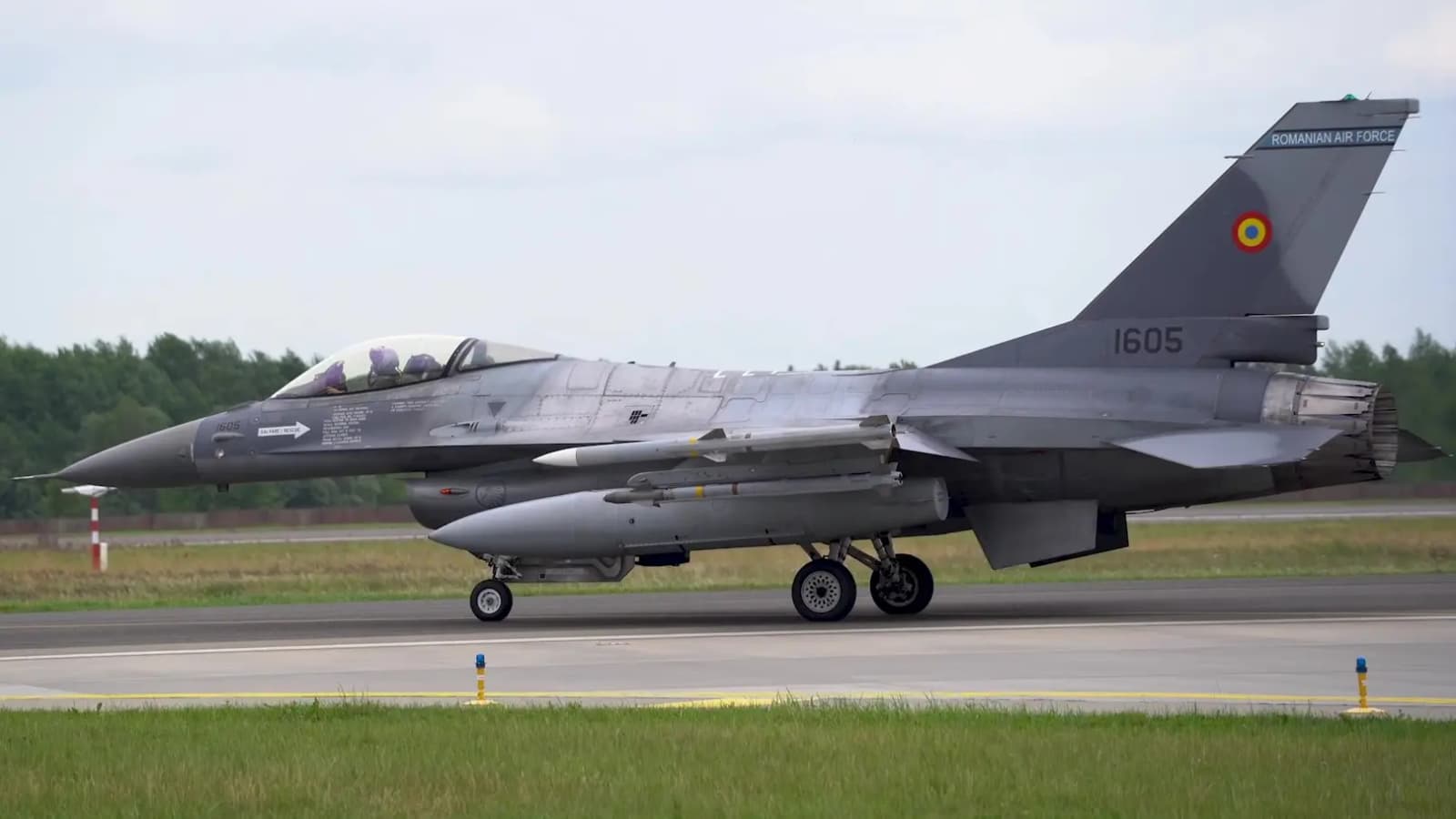
Romanian F-16s shoot down drones while Bulgaria’s Block 70s are not yet ready for combat missions
Romania is already using F-16s against drones over the Black Sea. A comparison in a Romanian news outlet raises the question of when Bulgaria’s F-16 Block 70s will take on combat duties. However, officially confirmed delivery delays do not give a full picture of their current readiness.
SofiaProcurement
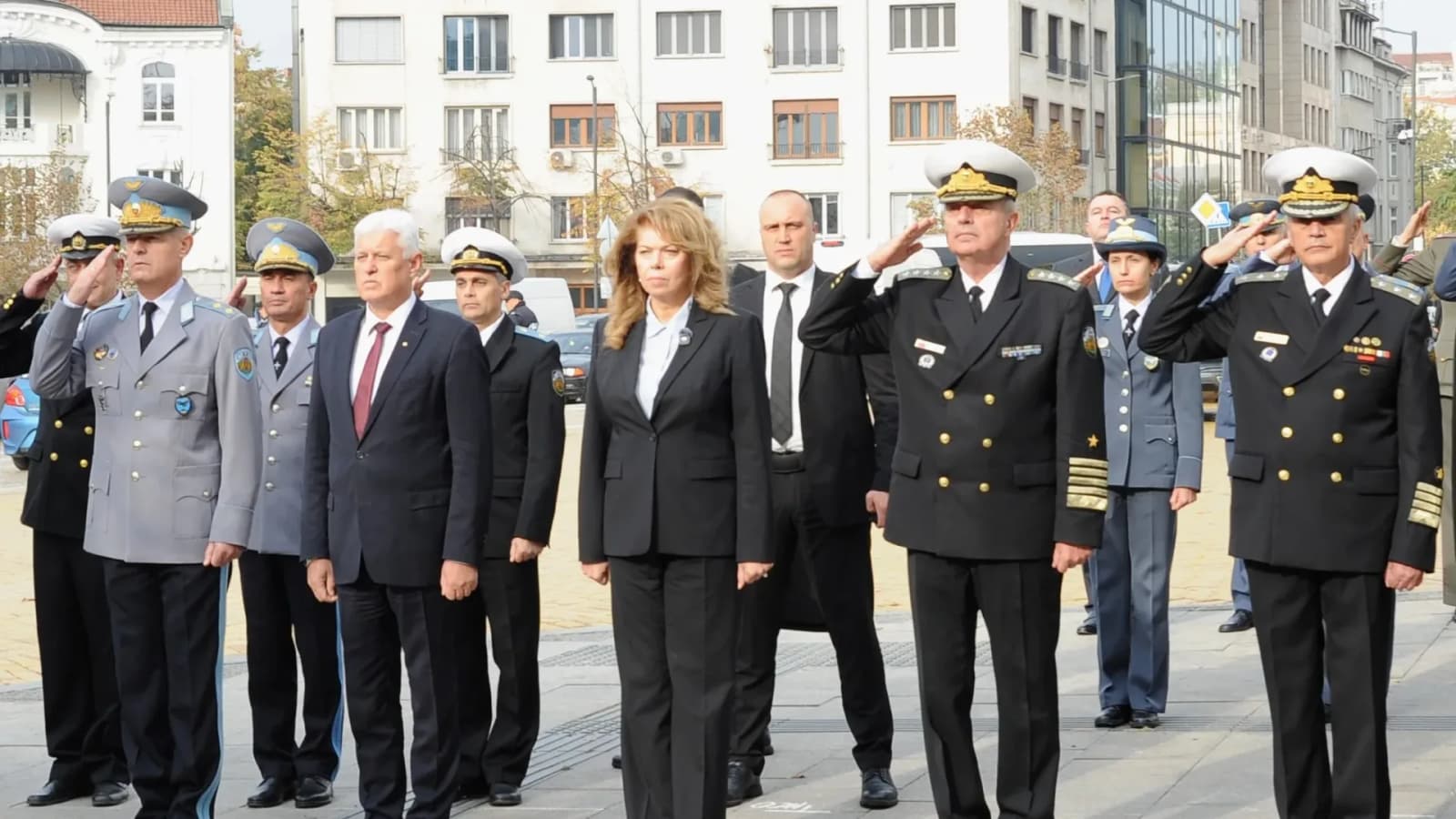
Second batch of eight F-16 Block 70s slips to 2030; 3D radars in 2028
On Air Force Day Minister Stoyanov confirmed a delay to the second batch from the original 2027 target.
SofiaMilitary Aviation
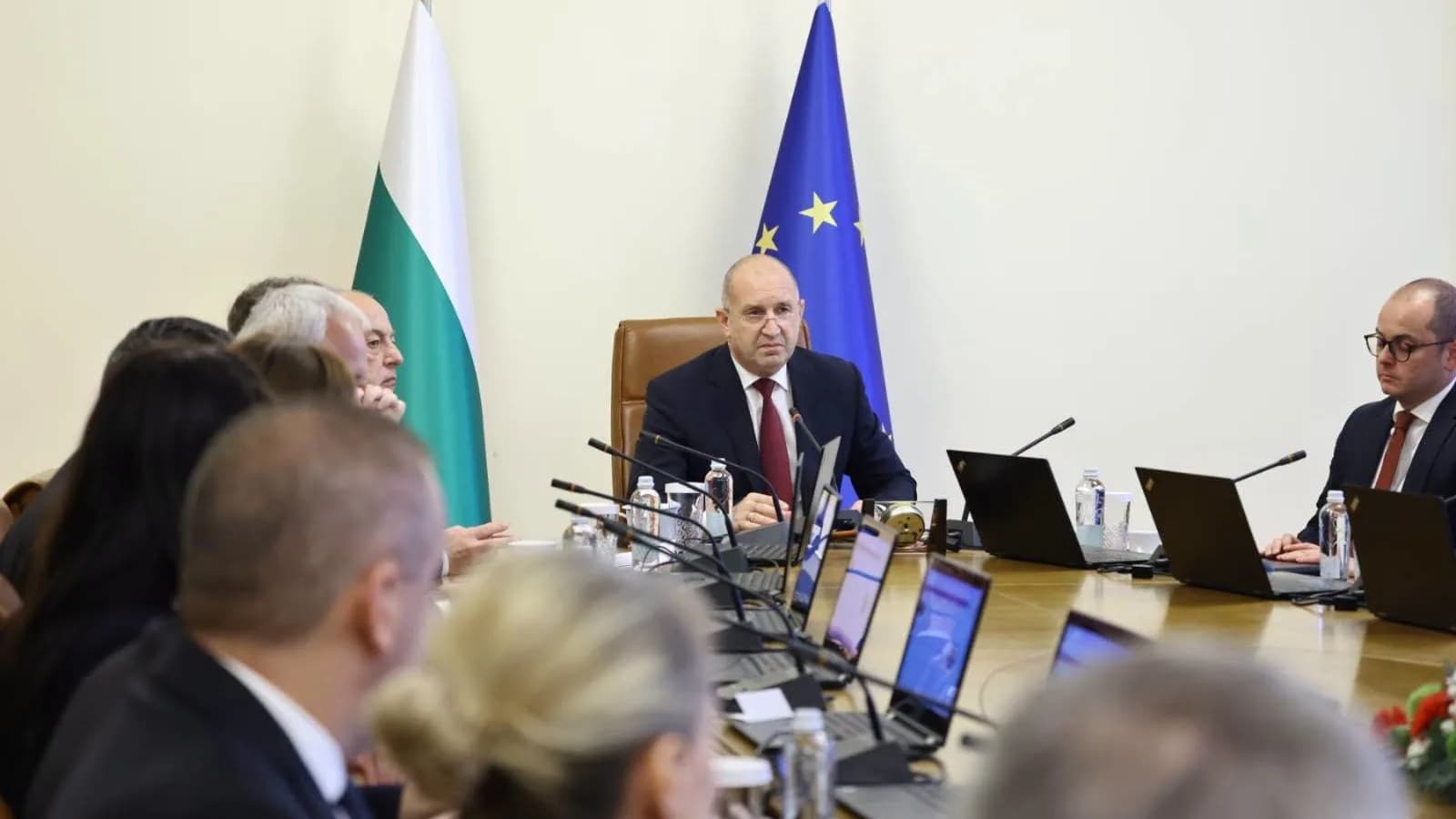
Bulgaria’s 2027 budget plan lifts defence to 2.4% of GDP
The 42% rise comes mainly from capital spending on the F-16, the multipurpose patrol vessel and the mechanised brigade.
Black SeaAnalysis
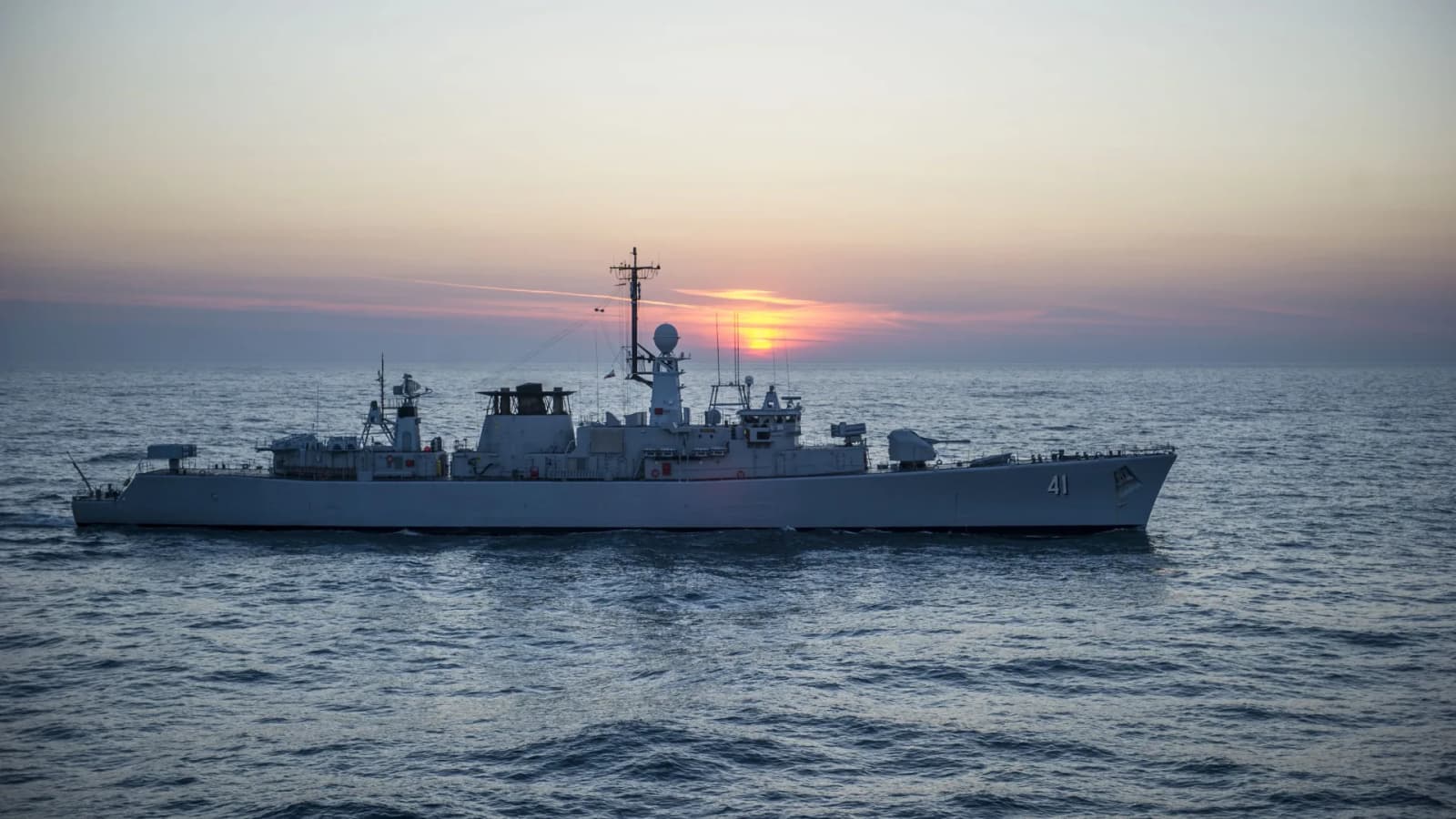
Black Sea defence tests the path from allied support to operational readiness
Attacks on shipping and bomb threats against civilian flights highlighted different tasks facing Bulgarian defence: protection, surveillance and responding to uncertain information. In Flank’s assessment, the common question is whether allied mechanisms, new procurement and the national budget can deliver a functioning system rather than just individual assets.
 English