
ChișinăuGeopolitics
Moldova commissions Vulcănești–Chișinău power line for supplies from Romania
The new line expands options for supplying Moldova’s capital via Romania. It is expected to reduce dependence on the power plant in Transnistria, but its impact on supplies and prices has yet to be measured.
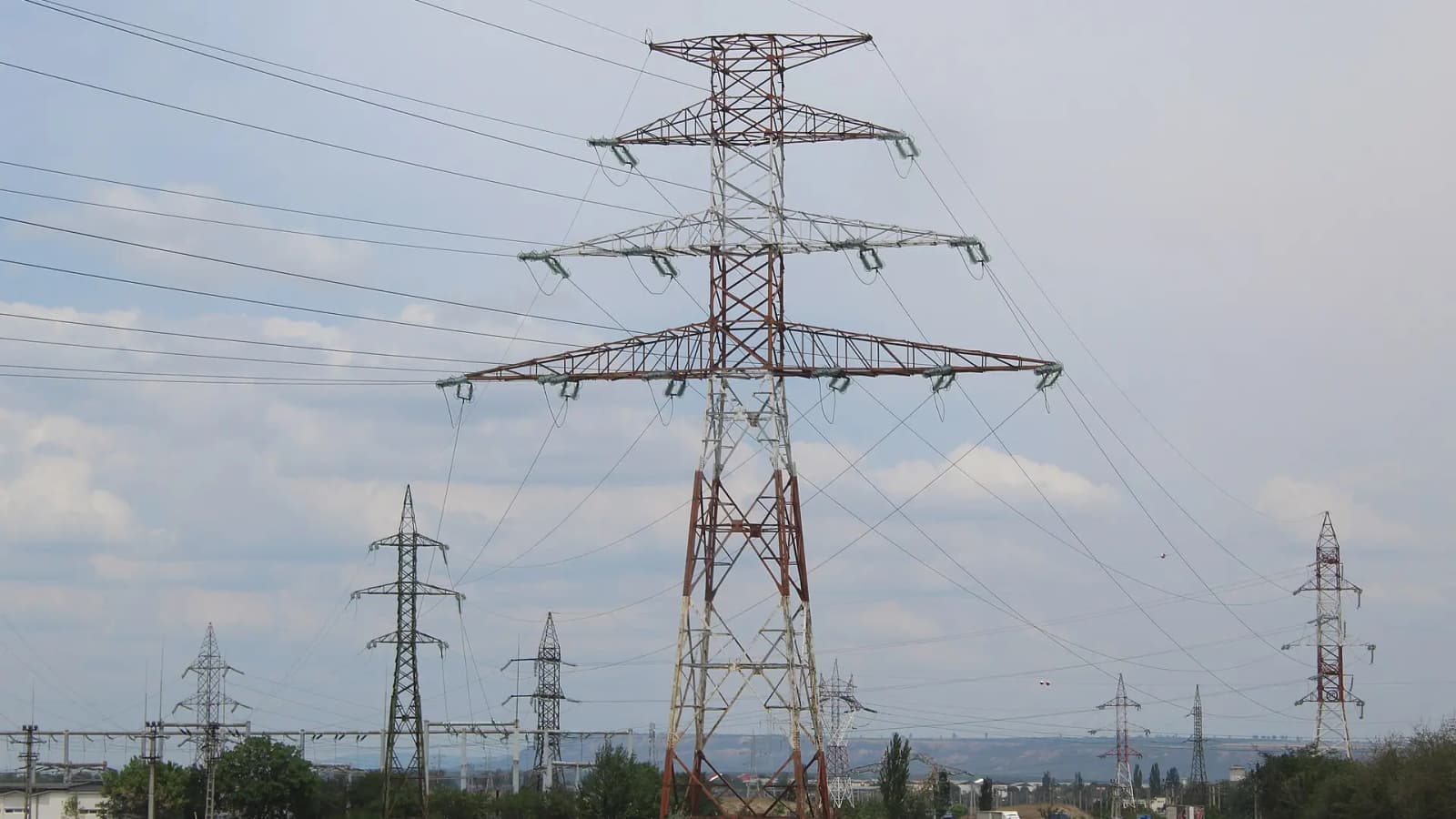
Moldova has commissioned the Vulcănești–Chișinău power line, President Maia Sandu announced on 8 November 2026. European Commissioner for Enlargement Marta Kos attended the ceremony in Chișinău. According to Sandu, the line strengthens transmission capacity and connectivity with Romania and the European electricity grid. The statements were reported by BTA and 24 Chasa.
New section extends the link with Romania to the capital
Vulcănești was already connected to Romania’s electricity transmission grid, and the new section connects it to Chișinău, BTA and 24 Chasa report. This is therefore not Moldova’s first connection with Romania, but an expansion of the capacity for that link to serve the capital.
According to the two reports, construction took two and a half years, and the line operates at 400 kilovolts. That figure alone does not determine how much electricity can be transmitted. This requires figures for permissible power flows and constraints in the connected grid.
BTA and 24 Chasa also report plans for two more power lines from Romania to Moldova.
Line is intended to reduce dependence on the Kuchurgan power plant
According to BTA, the new power line is intended to allow Moldova to gradually reduce its dependence on the Kuchurgan thermal power plant. It is located in the pro-Russian separatist region of Transnistria and supplies a significant share of the country’s electricity.
Sandu accused Moscow of using energy as a tool of blackmail for decades and said Moldova no longer buys Russian gas. The new line, however, is an electricity supply project.
In Flank’s assessment, the additional usable route could limit the consequences of disruptions to existing supplies and provide greater freedom to choose a supplier. This does not mean imports will no longer be needed.
Potential for lower prices has yet to translate into results
Marta Kos said Moldova would in future be able to buy energy wherever it is cheapest. This is an expectation of what the new connectivity could offer, rather than a report of price reductions already achieved.
The practical impact will depend on the volumes actually transmitted, available supplies and contractual terms. There are currently no operational data that would allow a quantitative assessment of transmission volumes and the reduction in purchases from Kuchurgan. The cost of the investment also remains unspecified.
Sources
2 independent reports
Independent reporting
24 Chasa · 24chasa.bg
Молдова свърза електропреносната си система с РумънияVerified mediaBulgarian News Agency (BTA) · bta.bg
Молдова въведе в експлоатация нова електропреносна линия, свързваща я със съседна РумънияNews agency
Linked to this story
 Romania
Related topics
Chisinau, MoldovaGeopolitics
 Chisinau, Moldova
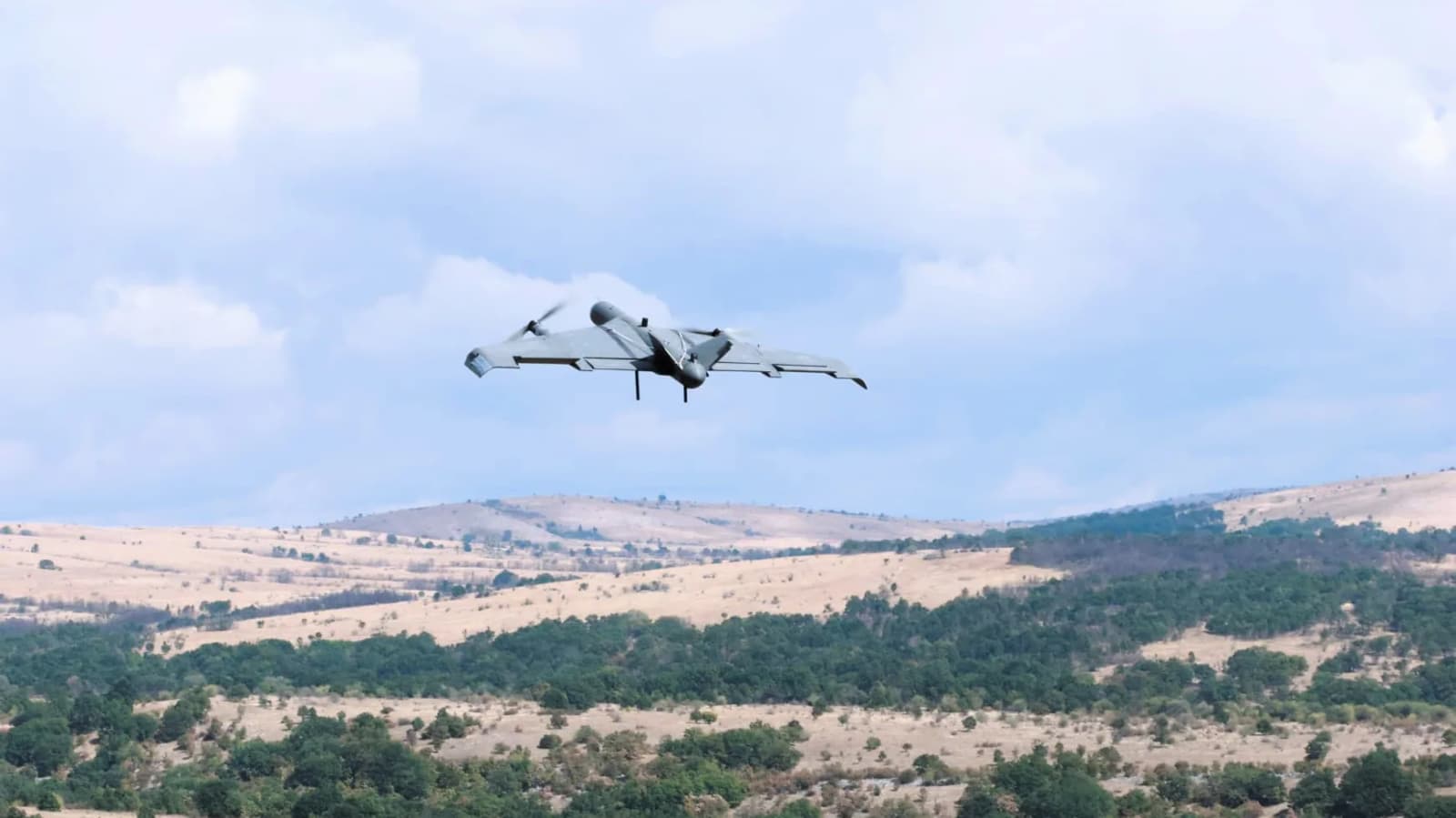
Romanian prime minister announces coordination with Moldova against hybrid attacks and drone incursions
According to Romanian media, Luca Niculescu said Bucharest and Chisinau are coordinating their actions against hybrid attacks and drone incursions. He did not specify any operational measures.
MoldovaProcurement
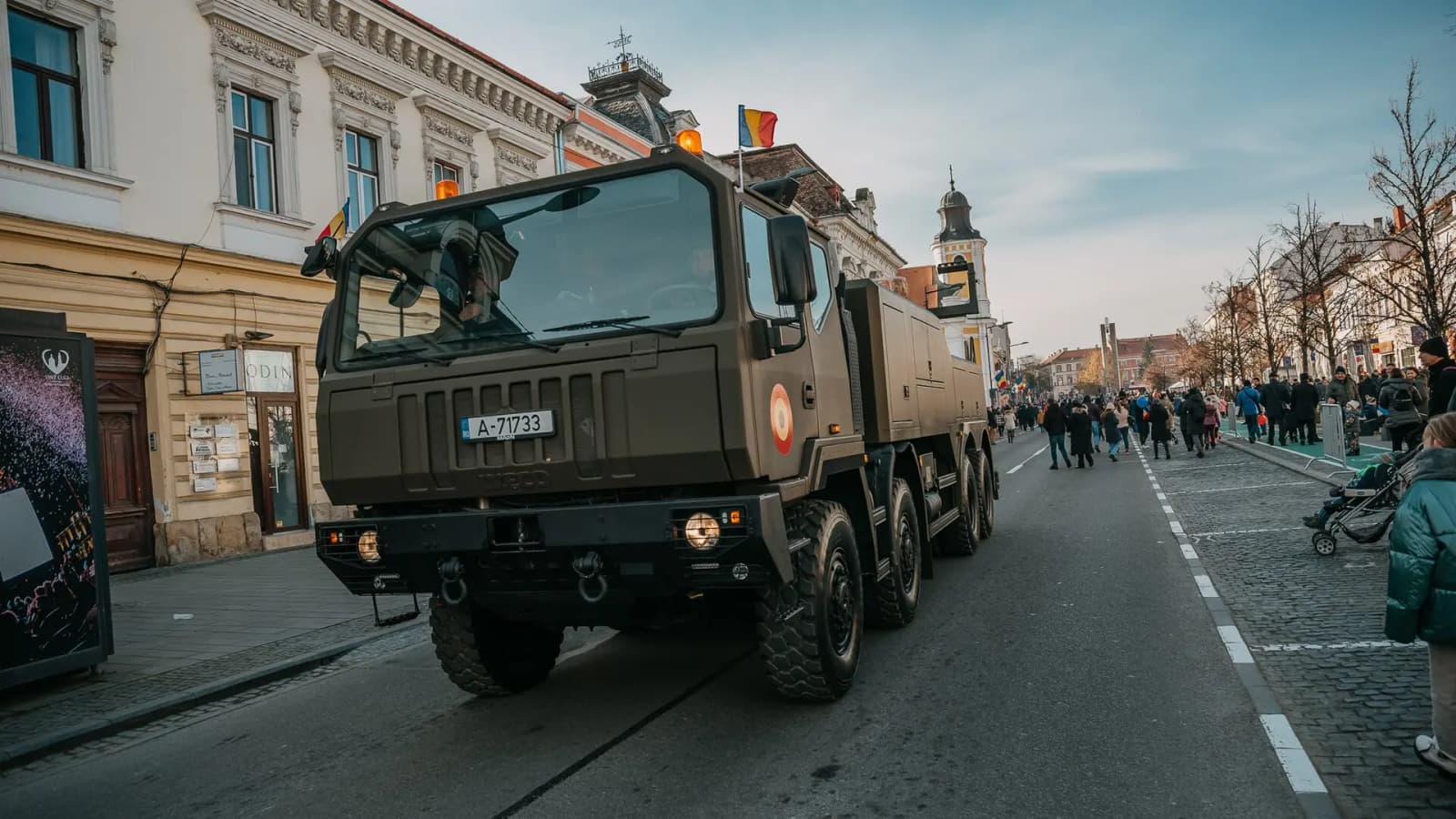
Romanian defence ministry announces contract for 62 IVECO trucks for Moldova
Chișinău gains access to a Romanian defence procurement framework, according to an official statement. However, its date needs clarification before the signing can be presented as having already taken place.
 English