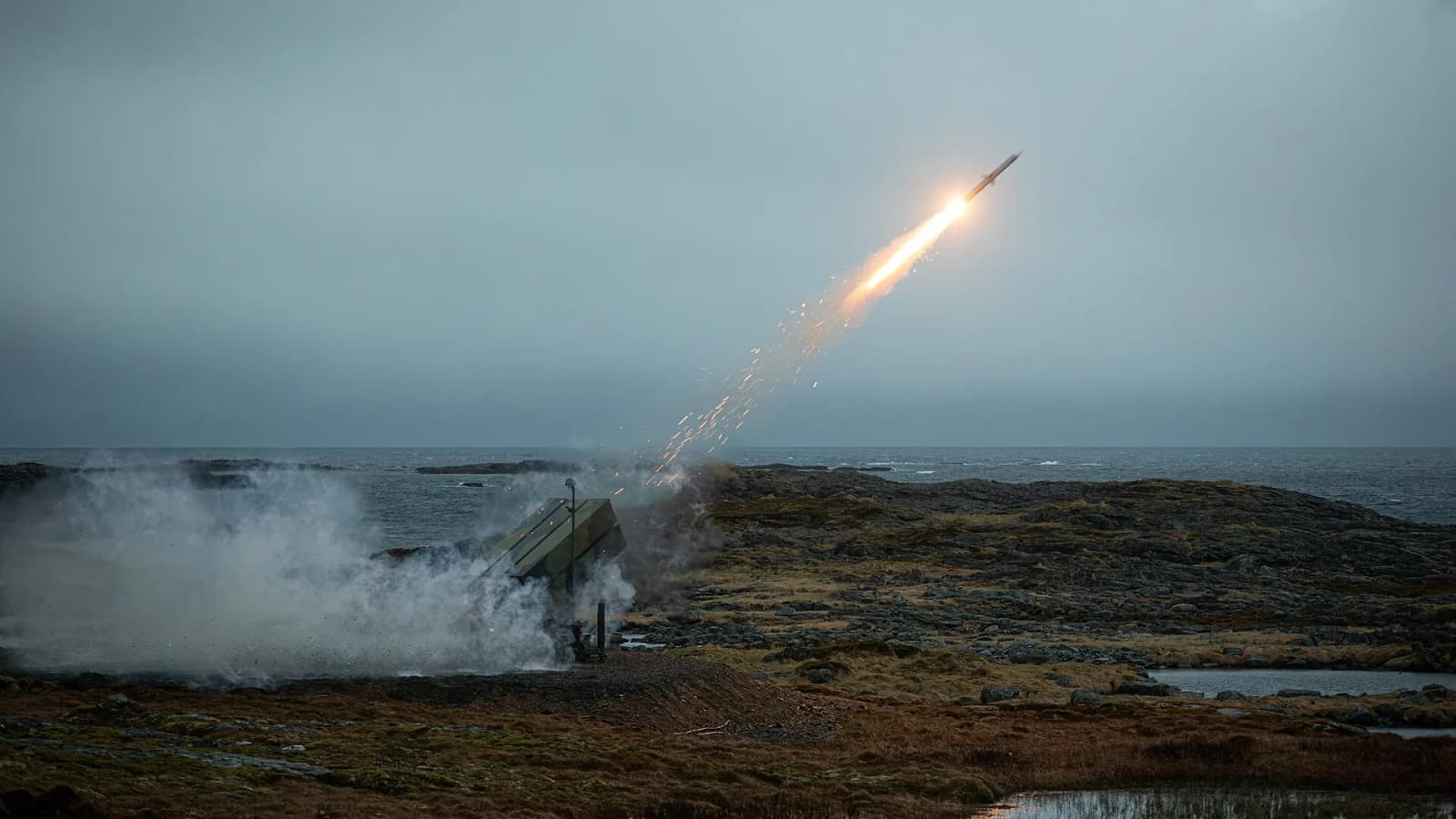
Defence Blog, citing a press release from Norway’s Ministry of Defence, reports that the NASAMS sensors deployed in Kirkenes are intended to detect drones that have strayed off course into Norwegian airspace. The statement does not confirm the deployment of a complete air defence battery.
Two incidents on successive days prompted public warnings, with NATO fighters scrambled during the second. The drones’ affiliation and ultimate fate remain unclear.
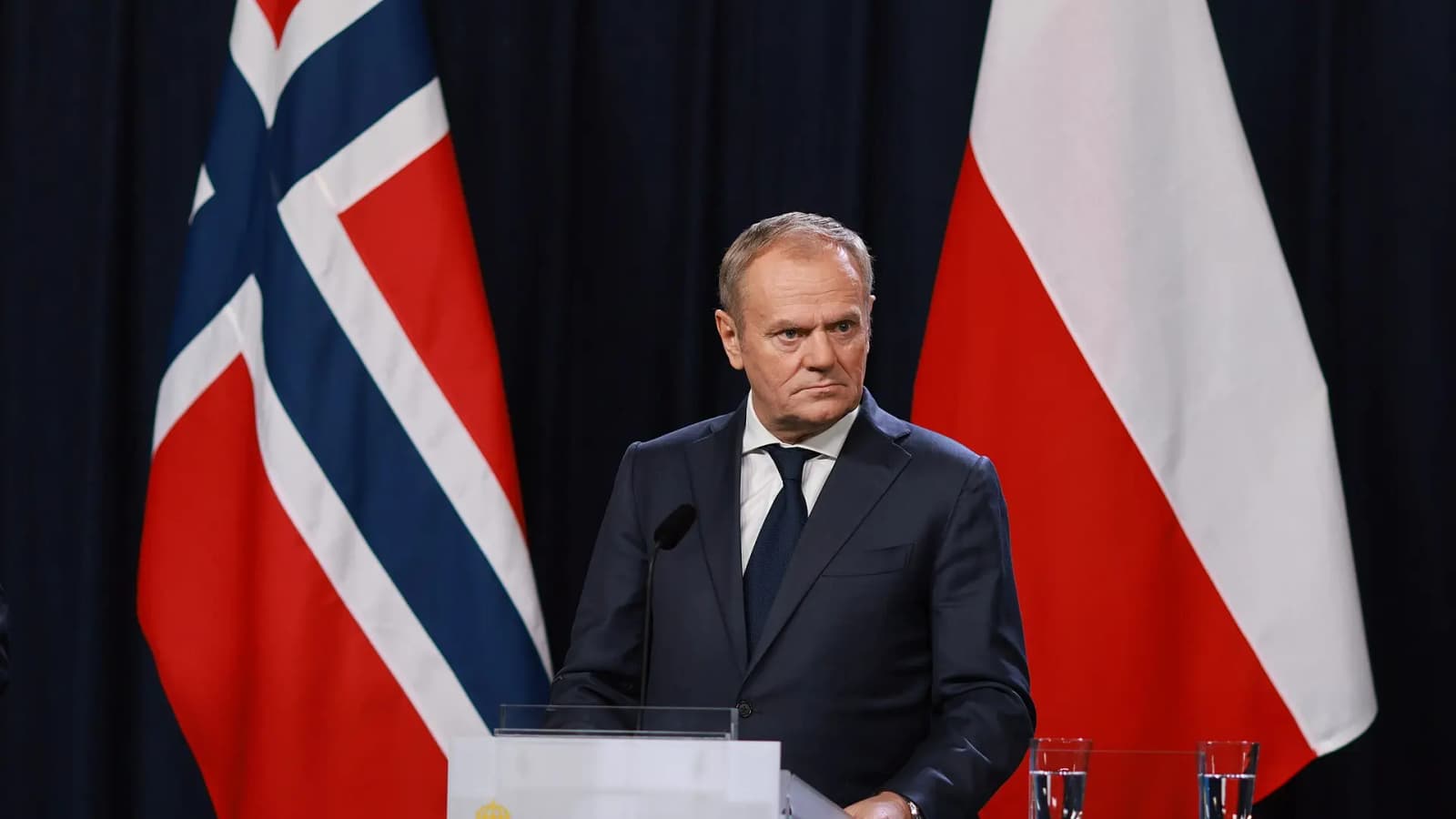
The Polish prime minister accused Moscow of exploiting the institutional conflict to fuel instability. The interference has not been proven, and additional reports do not independently confirm it.
The text sets out arguments for rapidly acquiring defence capabilities despite the risk of difficulties sustaining them. However, the report’s date and whether it was actually published require verification.
Russia’s foreign minister portrayed European calls for a ceasefire as an attempt to secure a military pause for Kyiv. His accusations are not supported by independently verified evidence.
The Lithuanian president described the term ‘hybrid threats’ as a ‘convenient euphemism’, LRT reported. His position raises the question of whether the blanket label downplays actions with physical consequences.
According to a CNN analysis, at least 12 merchant ships have been attacked in recent weeks. Bulgaria’s Ministry of Defence confirms the strike on CONTSHIP JET off Cape Kaliakra and the rescue of all 18 seafarers, but responsibility for the attack remains undetermined.
According to a Reuters report republished by gCaptain, the alliance has announced that it will deploy maritime patrol aircraft, radars and unmanned systems following a series of strikes on cargo ships off Bulgaria and Romania. Bulgarian authorities already confirm that information is being exchanged with allied patrol aircraft, but the scope and timing of the new deployment remain unclear.
The announced agenda includes Ukraine’s post-war security, de-escalation and humanitarian issues. Before the meeting, Washington plans consultations with European allies and NATO in Brussels.
The investigation claims that the pollution has not been fully cleared and that Rosneft has remained outside the main claims. Court reports confirm compensation awards totalling nearly 85 billion roubles, but not whether the money has been recovered.
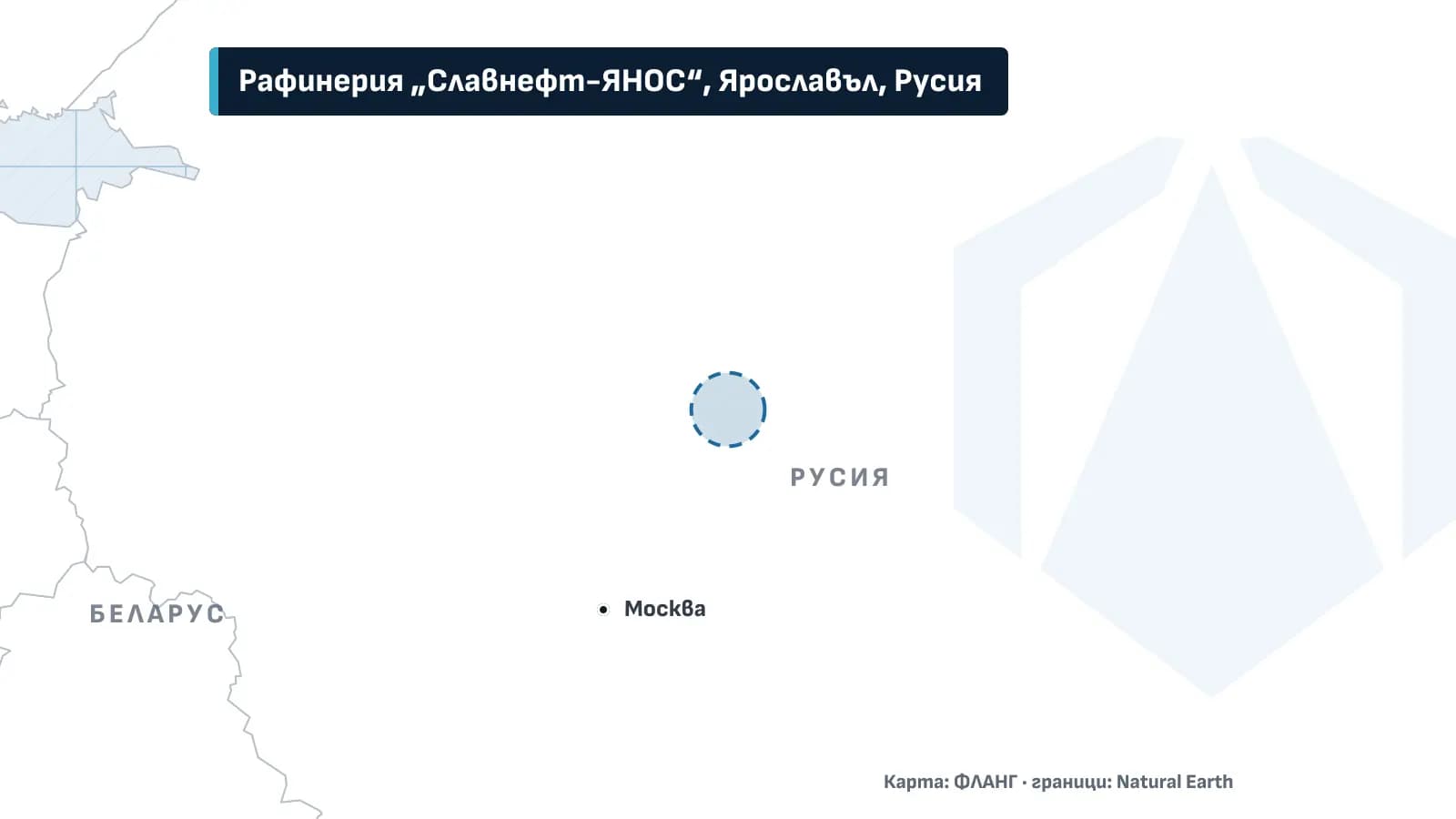
Russian authorities also report damage to a refinery and two people wounded in Yaroslavl. The claimed number of interceptions has not been independently confirmed and does not allow an assessment of air defence effectiveness.
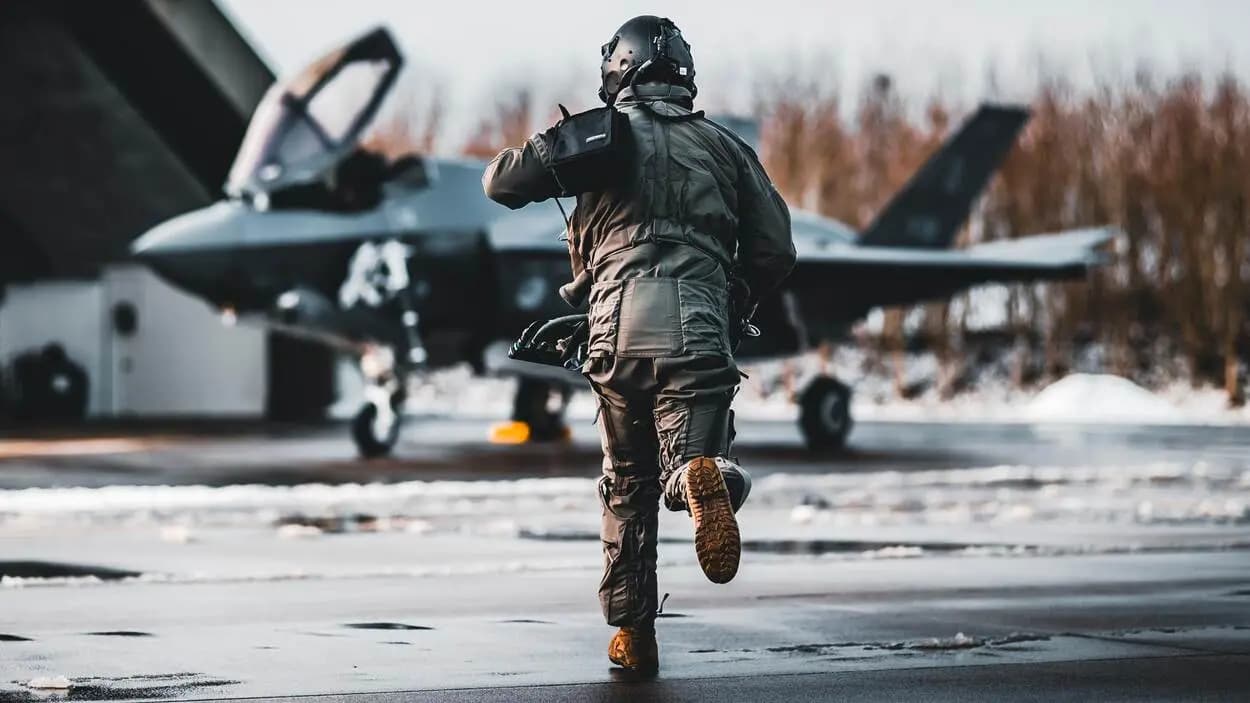
Poland’s military command announced preventive measures to protect its airspace, particularly near the border. Authorities warned residents in two voivodeships of the heightened readiness, while Lublin and Rzeszów airports were warned of possible delays.
Yaroslavl Region Governor Mikhail Yevrayev reported damaged infrastructure at Slavneft-YANOS, one of Russia’s largest refineries. It has not yet been established whether the fire halted oil refining.
Moscow claims it hit power stations, substations and port infrastructure overnight into 3 November. Ukrainian sources report power cuts and injuries, but the full extent of the damage remains undetermined.
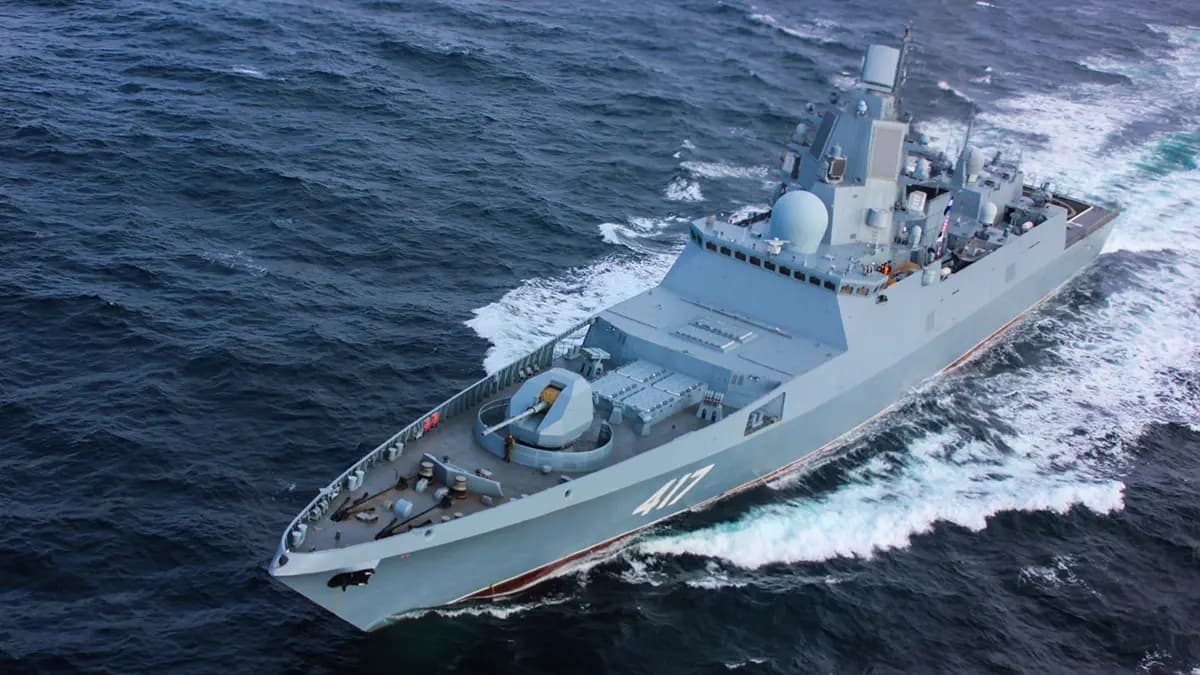
The Northern Fleet reports through Interfax that the ship is undertaking a deployment lasting several months to show the flag and maintain a naval presence. The route and specific missiles aboard remain unspecified.
The military unit and manufacturer SkyFall report evacuating two seriously wounded personnel using an unmanned aircraft. The operations have not yet been independently confirmed, and the reported flight distances differ.
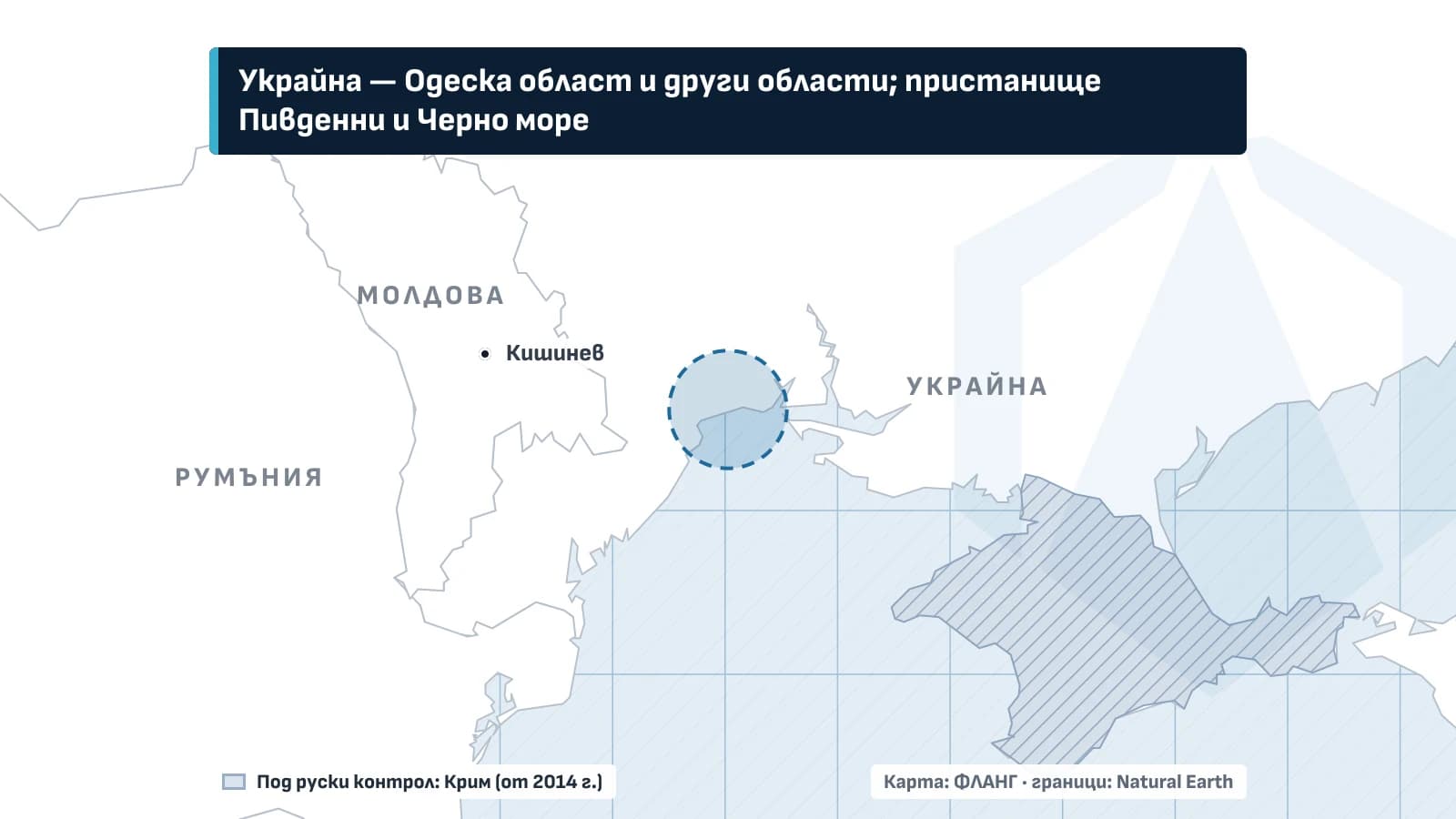
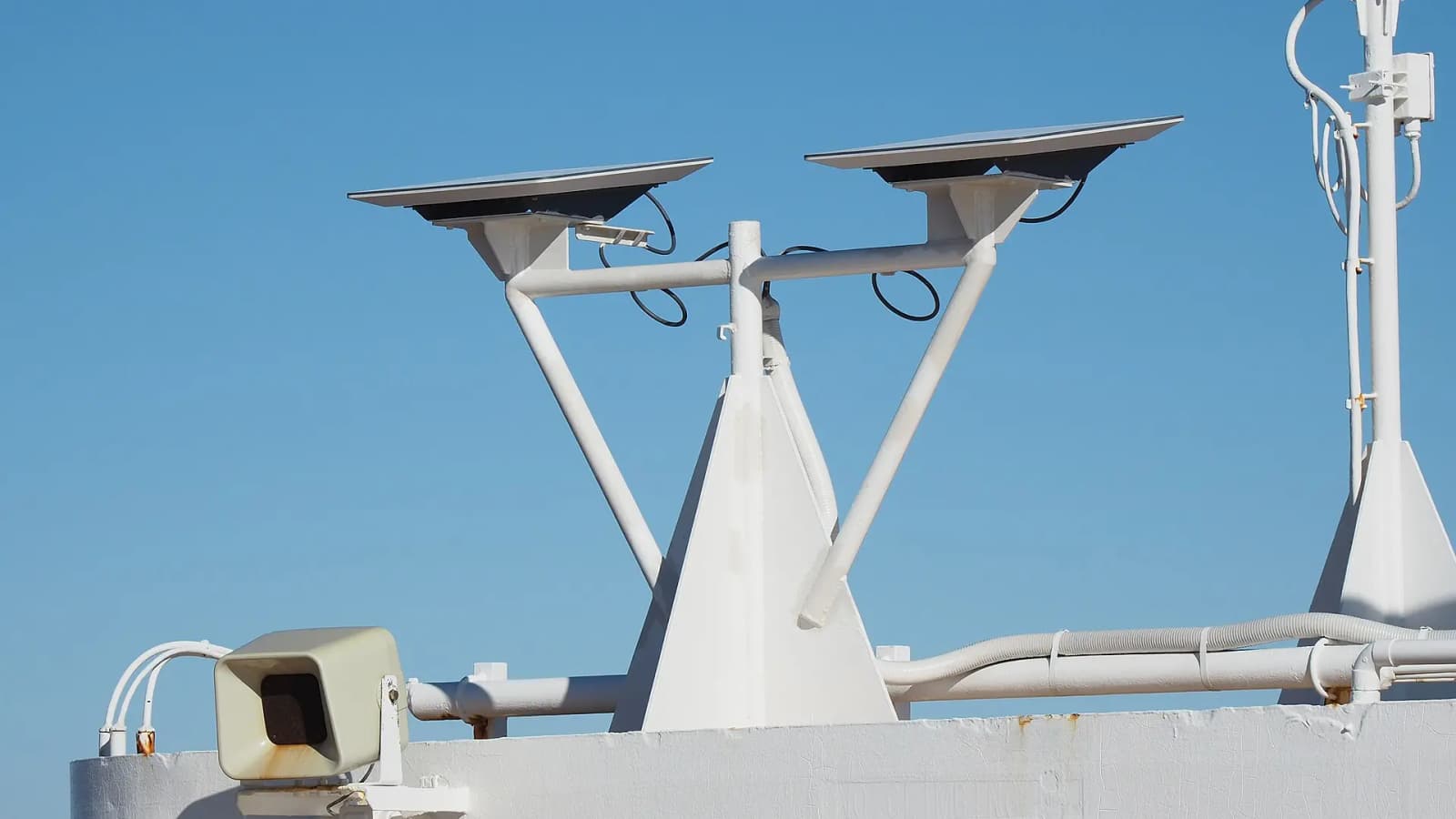
According to Serhiy ‘Flash’ Beskrestnov, Russian forces are increasing their Starlink jamming assets around sites in occupied Crimea and along the front. The claims describe local protection, not an ability to disrupt the network across the whole of Ukraine.
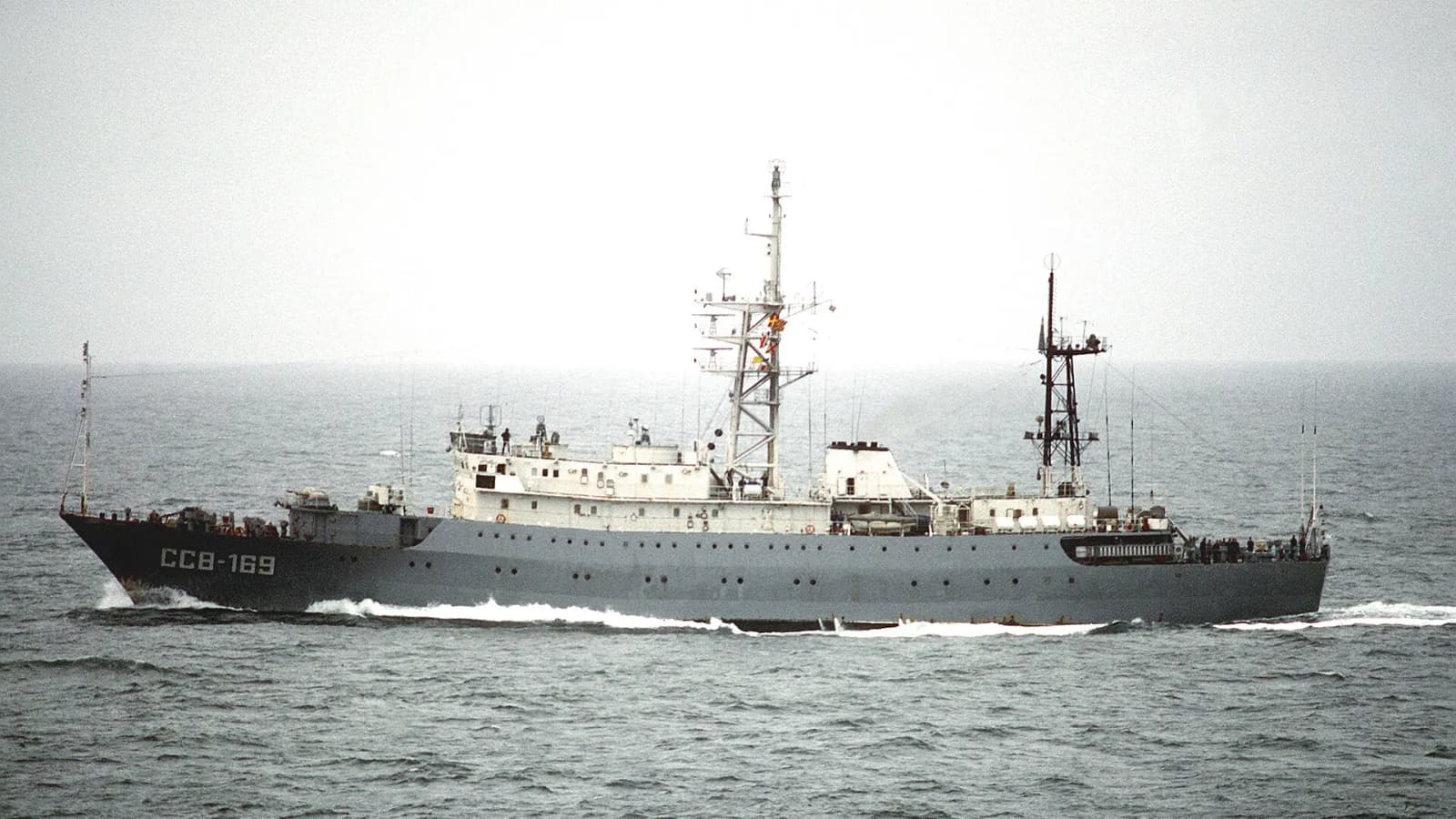
According to media reports, Merlin helicopters tracked the Russian intelligence ship off the Outer Hebrides from 29 September to 8 October. The British side links its presence to NATO’s Strike Warrior exercise, but that mission has not been independently confirmed.
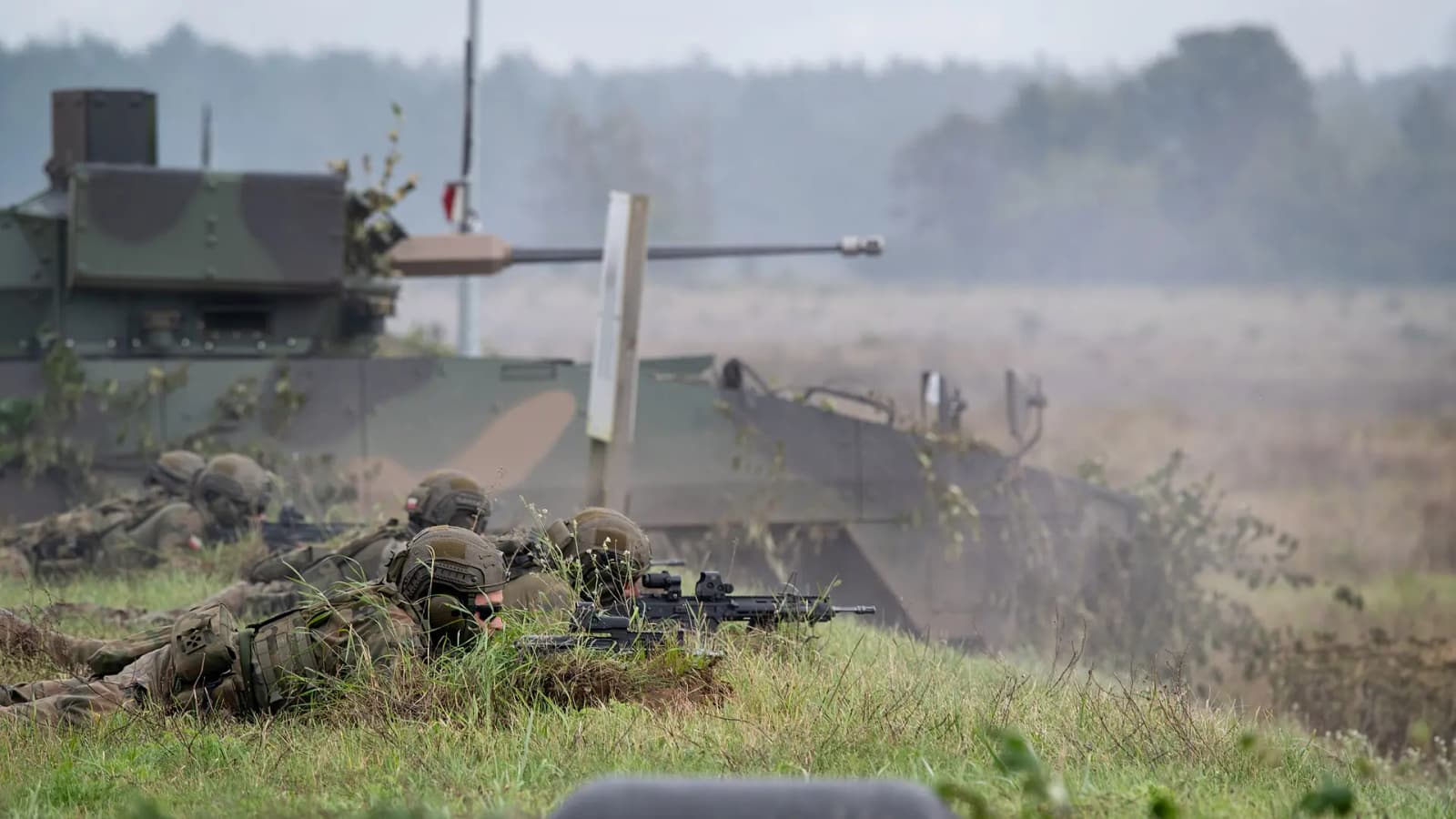
The conversion is part of a wider reorganisation of four Polish territorial brigades. According to a new report, it should be completed by the end of 2026, but the administrative change and full combat readiness are separate stages.
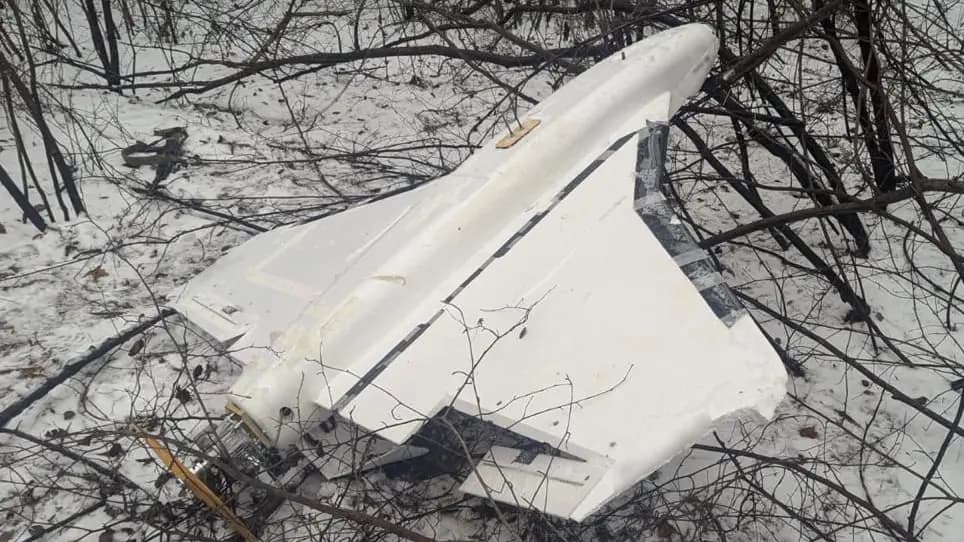
Ukrainian military intelligence has already described a weapon of this name and published information about its components. However, the photograph’s authenticity and the claimed specifications remain independently unconfirmed.
According to HUR, Russia is using an enlarged version of the Gerbera, and the example examined carried a 10 kg warhead. The claimed specifications and the report of such an aircraft being found in Poland have not been independently confirmed.
3 min readSource: Official source
Subscribe to the Flank.bg newsletter
The essentials on defence and security in Bulgaria, the region and the Black Sea, in your inbox once a week.

 English

 Estonia







 Russia
 Romania
 Poland