
BulgariaRussia–Ukraine War
Nuclear regulators from 38 countries warn of increased risk of an accident in Ukraine this winter
According to the regulators, Russian strikes on energy infrastructure increase the risk of losing the power needed to cool nuclear fuel. Bulgaria’s Nuclear Regulatory Agency took part in approving the joint position through WENRA.

On 16 November 2026, representatives of nuclear regulatory authorities from 38 countries warned of an increased risk of a nuclear accident in Ukraine this winter. In a joint statement, they link the danger to intensified Russian attacks on energy infrastructure and call on Moscow to stop attacking it and nuclear facilities. The Bulgarian newspaper 24 Chasa reports on the statement, citing Reuters.
Regulators link the risk to power supplies
According to the regulators, the loss of a stable electricity supply could hamper fuel cooling at Ukraine’s nuclear power plants and increase the risk of an accident. The warning therefore covers not only the danger of a direct hit on a nuclear facility, but also the consequences of strikes on the electricity grid on which it depends.
This is an assessment of a potential risk, not a report of an accident having occurred. Assessing the danger to individual plants requires specific information about their external power supplies, the duration of outages and the condition of backup systems. The general warning does not quantify the probability of an accident or identify which plant is most at risk.
Bulgaria’s Nuclear Regulatory Agency is among the participants through WENRA
The joint statement was prepared by the Heads of the European Radiological Protection Competent Authorities (HERCA), the Western European Nuclear Regulators Association (WENRA) and the Nordic Association of Radiation Protection Authorities (NORA). The three organisations represent regulatory authorities from a total of 38 countries, including all EU member states, the US, the United Kingdom, Canada and Japan.
The chairman of Bulgaria’s Nuclear Regulatory Agency, Tsanko Bachiyski, says the text was approved at a meeting of European nuclear regulators in Madrid the previous week, and subsequently by the other two organisations. The agency is a member of WENRA.
According to Nuclear Regulatory Agency chairman Tsanko Bachiyski, the agency is a member of the Western European Nuclear Regulators Association (WENRA), and the text of the statement was approved at a meeting of the heads of Europe’s nuclear regulators in Madrid. The statement concerns the safety of Ukrainian nuclear facilities and contains no assessment of the impact on Bulgaria.
The full text and the exact list of countries and authorities supporting the position have yet to be clarified. This is a developing story and further information may be added.
Why This Matters for Bulgaria
Bulgaria is participating in the joint regulatory position through the Nuclear Regulatory Agency and its membership of WENRA. The statement concerns the safety of Ukrainian nuclear facilities and contains no assessment of the impact on Bulgaria.
Sources
1 independent report
Independent reporting
24 Chasa · 24chasa.bg
България и още 37 държави: Расте опасността от ядрена авария в Украйна тази зимаVerified media
Linked to this story
 Russia
 Ukraine
Related topics

Berlin, GermanyRussia–Ukraine War
 Berlin, Germany
Merz pledges more winter aid for Ukraine; coalition plans €200 million
Germany is preparing additional support for Ukraine ahead of winter, with Merz focusing on energy and air defence. The announced sum is a commitment, not a record of funds already provided.
UkraineRussia–Ukraine War
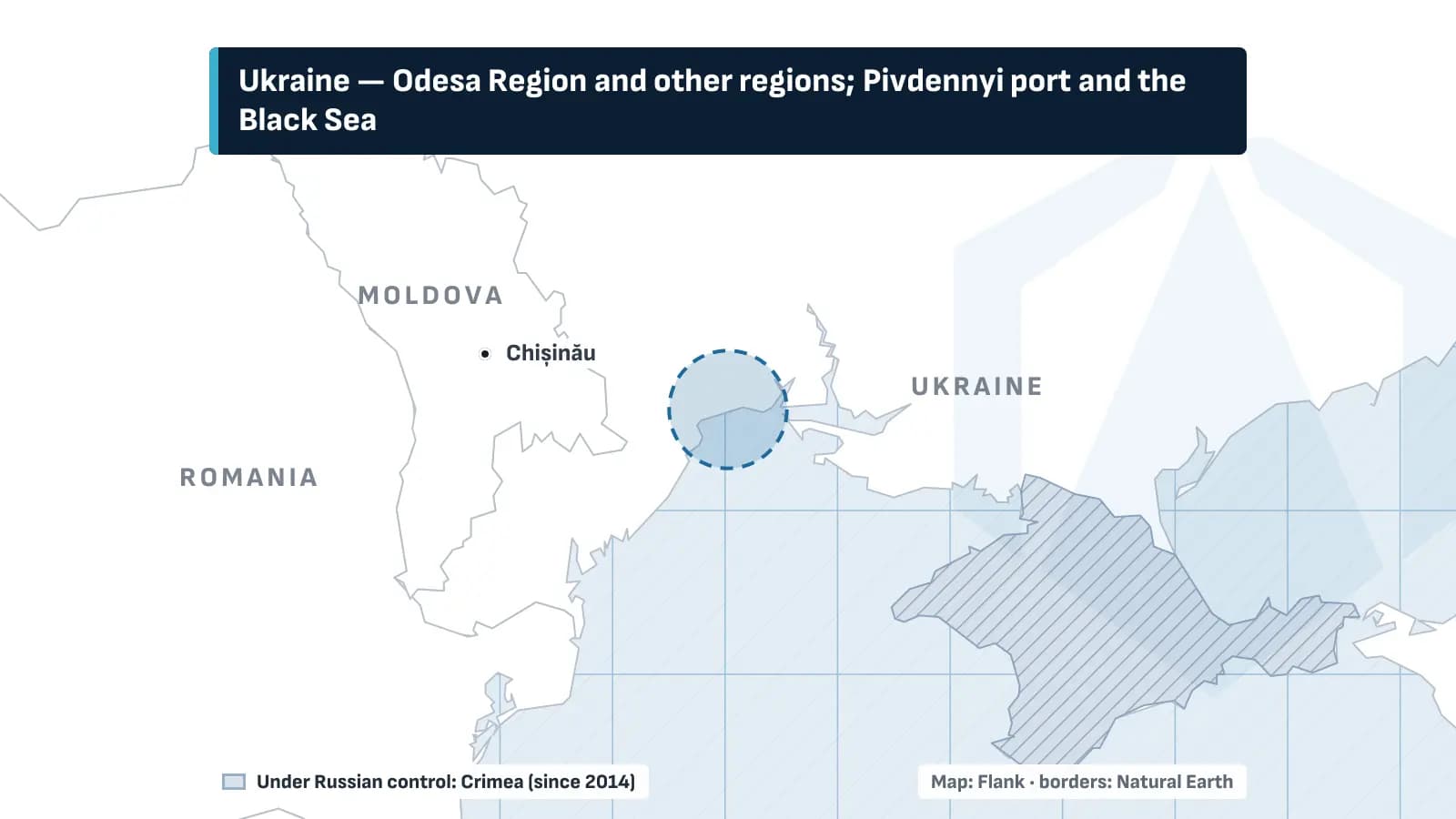
Russia claims strikes on Ukrainian energy facilities and two ships in the Black Sea
Moscow claims it hit power stations, substations and port infrastructure overnight into 3 November. Ukrainian sources report power cuts and injuries, but the full extent of the damage remains undetermined.
Odesa, UkraineRussia–Ukraine War
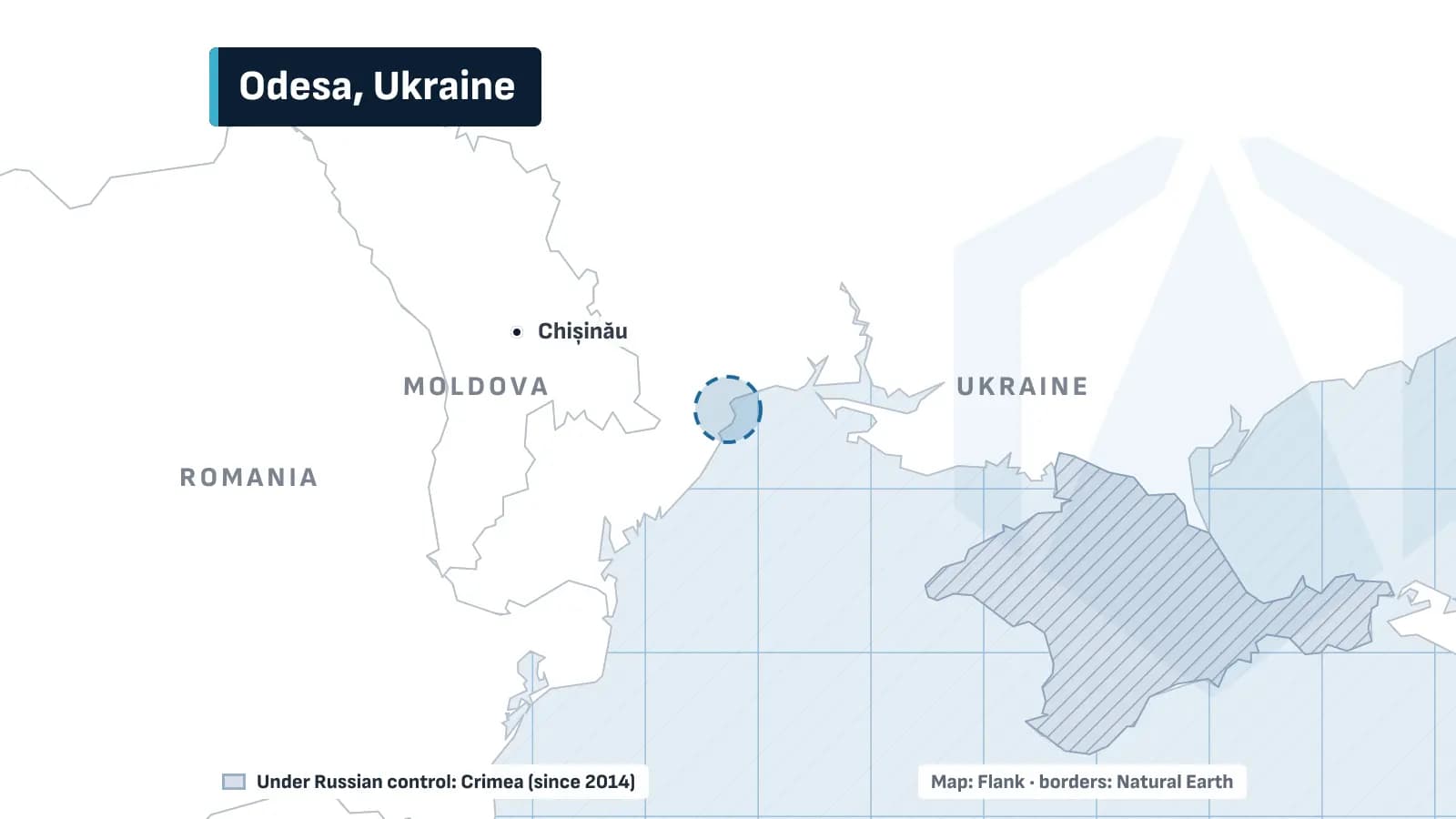
Odesa reports four wounded after overnight attack; DTEK reports strike on energy facility
The local administration reports damage to homes and infrastructure in Odesa. Separately, DTEK reports damage to an energy facility in the region and the partial restoration of power supplies.

Donetsk, UkraineRussia–Ukraine War
Reported strike on a substation in occupied Donetsk leaves more than 276,000 customers without power
On the evening of 1 November 2026 power went out in Russian-occupied Donetsk after reports of a strike on a 220 kV substation. The Moscow-installed authorities reported more than 276,000 customers without electricity. The same evening a Ukrainian OSINT channel also reported strikes near occupied Melitopol.
 English