
RussiaRussia–Ukraine War
 Russia
Ukrainian strikes may have affected around 30% of Russia’s oil refining capacity
Two industry sources speaking to Reuters assess the scale of disruption following attacks since late October. However, the nameplate capacity of the affected refineries is not the same as the actual loss of throughput.

Ukrainian drone attacks on Russian refineries since late October have reduced the country’s oil refining capacity by around 30%, two industry sources told Reuters in a report dated 10 November 2026, published by the website gCaptain. The overall estimate comes from that report; at the time of publication, Flank had found no independent confirmation of the scale of the reduction.
Affected capacity does not mean an equivalent fall in throughput
According to industry sources cited in a Reuters report published by gCaptain, the combined nameplate daily capacity of Russian refineries affected by drone attacks since late October is around 300,000 tonnes a day, or 2.2 million barrels. Russia’s total primary refining capacity is around 930,000 tonnes a day, according to figures in the same report. Separately, the agency’s sources estimate the actual fall in throughput at up to 200,000 tonnes a day.
The distinction is significant. Nameplate capacity indicates the plants’ designed capability, not necessarily the volumes they were processing before the strikes. The figure of 300,000 tonnes represents approximately 32% of total nameplate capacity. The estimated reduction in throughput of up to 200,000 tonnes a day amounts to up to around 22% of the same baseline, but without data on previous throughput levels it cannot be presented as a percentage fall in actual production.
The 30% figure should therefore not be interpreted as an established reduction in fuel output of the same magnitude.
Nine refineries affected, according to Reuters sources
According to industry sources and officials cited by Reuters in the report published by gCaptain, operations were disrupted or emergencies occurred at nine of Russia’s 35 major refineries over the past week. The report identifies refineries in Ryazan, Yaroslavl and the Volga region among the affected plants.
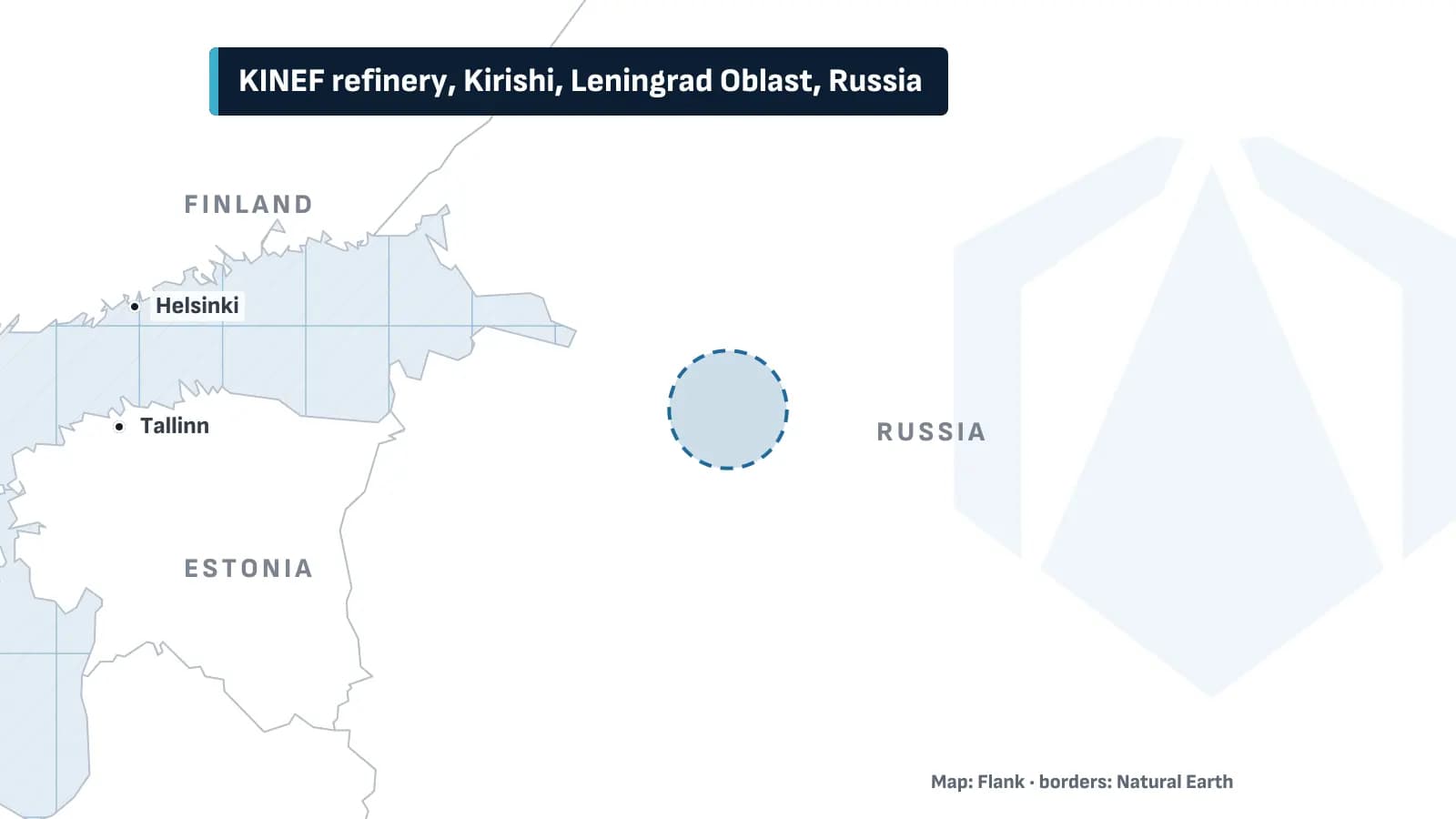
Individual strikes during this period have already been established. On 3 November, drones struck the Yaroslavl refinery, where two employees were injured. On 9 November, a drone attack caused a fire at the Kirishi refinery. These incidents provide specific context but do not in themselves establish the overall impact on production.
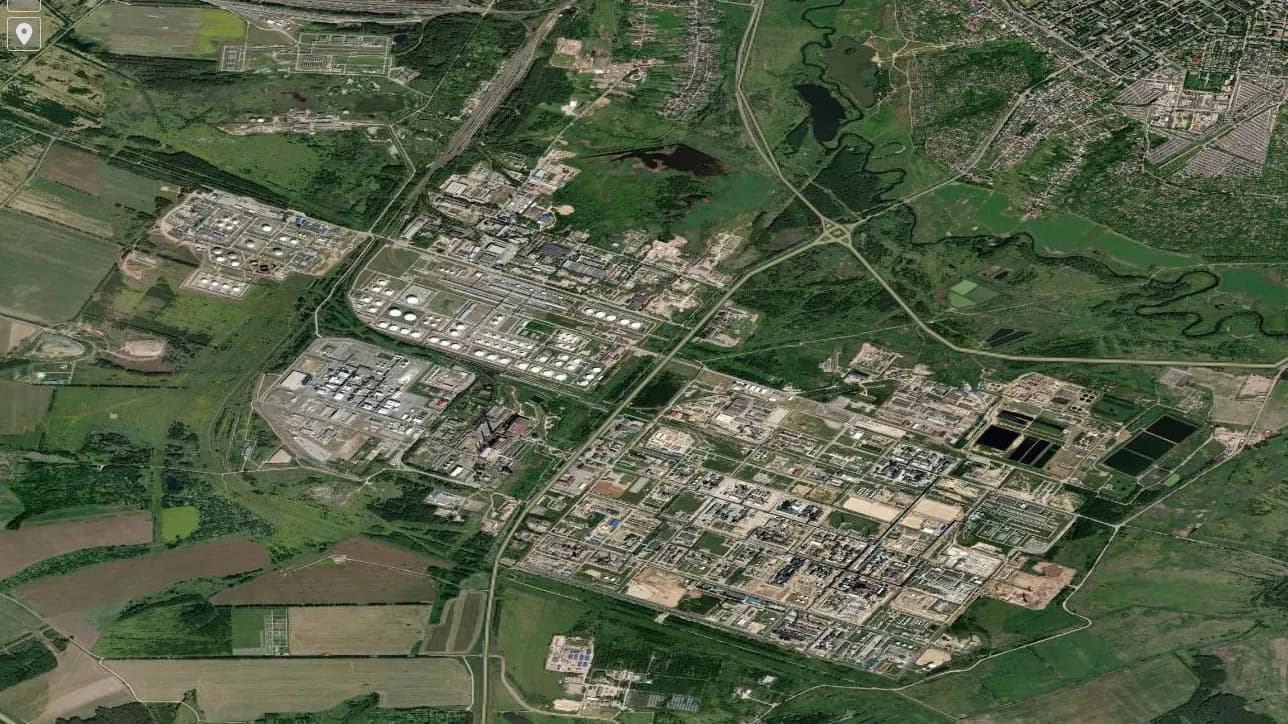
Reporting on another incident, which took place on 1 November, European news broadcaster Euronews carried a statement by Governor Gleb Nikitin describing significant damage to an industrial facility in the Kstovo district following a drone attack. The facility was identified as the Kstovo refinery by monitoring channels on Telegram, not in the governor’s statement. This report does not confirm the 30% estimate either.
What remains unknown about the disruptions
The methodology behind the overall estimate and the current production data on which it is based remain unclear. There is no complete list naming the nine refineries, nor information on how much of each plant’s capacity has been shut down and for how long.
Assessing the consequences for supply also requires data on fuel output, available stocks and the scope for shifting refining operations elsewhere. For now, the reported scale of disruption does not establish a proven shortage for the Russian armed forces or any specific effect on supplies and prices in Bulgaria. This is a developing story and further information may be added.
Sources
1 independent report1 secondary report
Independent reporting
Euronews · euronews.com
Russia says 'massive' drone attack targeted 'industrial enterprise' amid reports oil refinery hitVerified media
Secondary reporting
gCaptain · gcaptain.com
Recent Ukrainian Attacks Have Reduced Russia’s Oil Processing Capacity By 30%, Sources SayVerified media
Linked to this story
 Ukraine
Related topics
Kirishi, RussiaRussia–Ukraine War
Leningrad region governor reports fire at KINEF refinery after drone attack
According to Alexander Drozdenko, the fire in Kirishi has been contained, while a woman in Vsevolozhsk died after being struck by falling debris. It is unclear whether the attack has disrupted production at one of Russia’s largest refineries.

Yaroslavl, RussiaRussia–Ukraine War
Russian Defence Ministry claims 856 drones downed overnight over Russia, Crimea and the Black Sea
Russian authorities also report damage to a refinery and two people wounded in Yaroslavl. The claimed number of interceptions has not been independently confirmed and does not allow an assessment of air defence effectiveness.
Yaroslavl, RussiaMilitary Infrastructure
Fire at Yaroslavl refinery after drone attack leaves two employees injured
Yaroslavl Region Governor Mikhail Yevrayev reported damaged infrastructure at Slavneft-YANOS, one of Russia’s largest refineries. It has not yet been established whether the fire halted oil refining.
Kstovo district, RussiaRussia–Ukraine War
Significant damage to industrial site reported after attack in Nizhny Novgorod region
The governor has not named the affected industrial site in Kstovo district, while media reports identify the NORSI refinery. Whether the strike disrupted fuel production remains unclear.
 English